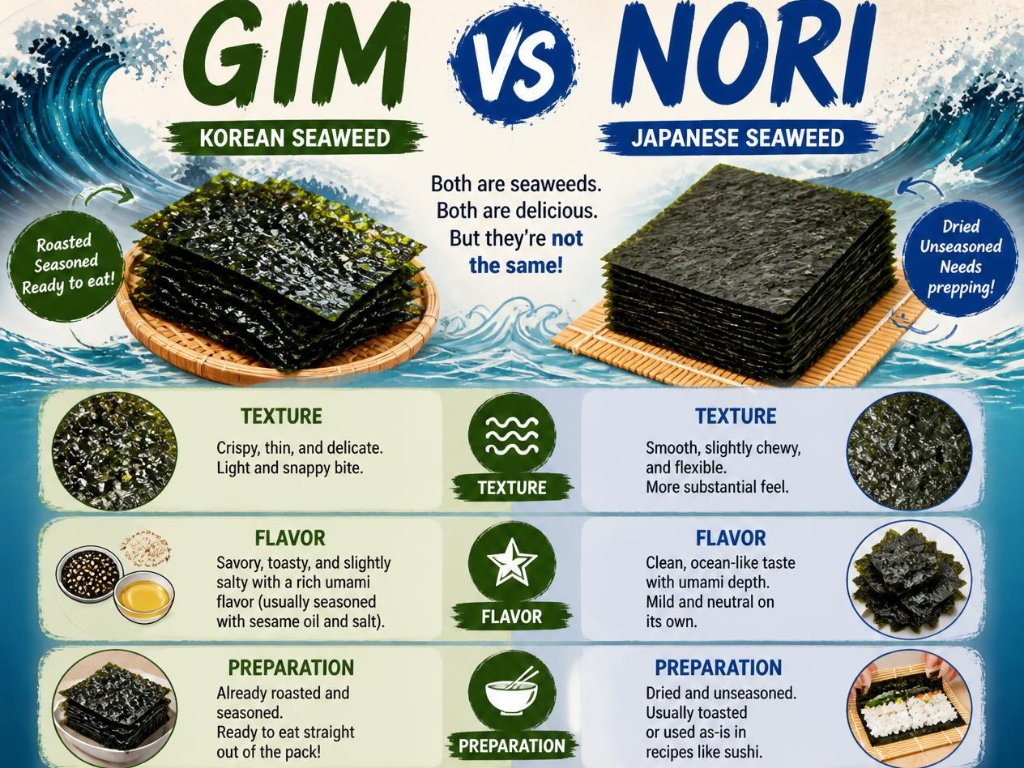
Gim vs nori is one seaweed: dried sheets of the
If you are the kind of person who grabs something crunchy between meetings or after school pickup, the label on the back of that packet matters more than you think. A single 28-gram bag of potato chips carries about 150 calories and 10 grams of fat. A 5-gram pack of roasted seaweed sits at around 25 to 30 calories with almost no fat at all. That gap is why more Singapore shoppers are quietly swapping their afternoon crisps for nori sheets, and why a premium seaweed range like Yoroshii has become a regular in office drawers and school bags.
This guide compares seaweed snacks and traditional packaged snacks on the things that actually decide whether a food belongs in your diet: calorie load, sodium, iodine, antioxidant profile, and how well it fits real eating habits in Singapore.
Why the Snack Aisle Is Changing in Singapore
Health Promotion Board data shows Singaporean adults pulling away from high-sodium, high-fat packaged foods. The shift is visible in supermarket shelves. NTUC FairPrice now carries over twenty seaweed SKUs across Korean, Japanese, and Thai origins. Cold Storage stocks gimMe, Tao Kae Noi, and local favourites like Yoroshii side by side with tinned biscuits and cream crackers.
What drives the switch is not a general wellness mood. It is specific. Parents looking for something their kids will eat that is not coated in MSG. Office workers who want a 3pm snack that does not derail a calorie goal. Keto and gluten-free eaters looking for crunch without wheat or sugar. Seaweed sits cleanly inside all three of these needs.
Nutritional Comparison: Seaweed vs Potato Chips, Crackers, and Biscuits
The core difference comes down to ingredient density. Potato chips start as a starch fried in oil and finished with salt. Roasted seaweed is a thin, pressed sheet of nori (Porphyra) with a light brushing of oil and seasoning. Those production paths produce very different nutrition panels.
Calories and Fat
A standard 28g bag of potato chips runs 150 to 160 calories and 9 to 10 grams of fat, most of it from frying oil. A 5g pack of roasted seaweed sits at 25 to 30 calories with around 1 gram of fat. Even when you compare gram-for-gram, seaweed is lower in calorie density and dramatically lower in saturated fat. For anyone counting a snack into a daily calorie target, the pack-for-pack swap buys back roughly 120 calories — about the calorie cost of a flat white.
Sodium and Additives
This one needs honesty. Not all seaweed snacks are low-sodium. Flavoured varieties can carry 70 to 150mg of sodium per serving, and some Korean-style seasoned packs go higher. A typical bag of flavoured potato chips will hit 170 to 200mg. So seaweed wins on sodium, but not by the huge margin some marketing suggests.
Where the gap widens is the ingredient list itself. A pack of roasted Yoroshii-style seaweed typically lists four to six items: seaweed, oil, salt, and seasoning. A pack of crisps or cream crackers routinely carries flavour enhancers, stabilisers, dough conditioners, and preservatives. If you read labels, that is the cleaner snack.
Vitamins and Minerals
A 5g portion of nori-based seaweed provides roughly 80 micrograms of iodine, which covers more than half the adult daily reference intake. It also delivers vitamin A, vitamin C, vitamin K, folate, and small amounts of iron and magnesium. Potato chips and cream crackers contribute carbohydrates and sodium, and very little micronutrient value. This is the single biggest functional difference between the two snacks.
Satiety and Portion Control
Seaweed has a useful combination for snackers: umami flavour that registers as satisfying, and soluble fibre (including alginate) that takes longer to move through the stomach. In practice, one small 5g pack often settles the craving. Chips work the opposite way — the salt-fat-starch combination keeps cravings active, which is why a 150g sharing bag tends to disappear faster than you intended.
Health Benefits of Seaweed Snacks
Most of the claims around seaweed hold up under scrutiny, though with sensible caveats.
Supports Thyroid Function and Metabolism
Iodine is a building block of thyroid hormones T3 and T4, which regulate how fast your body converts food into energy. Low iodine intake slows that process, which shows up as fatigue, cold intolerance, and sluggish metabolism. Singapore does not use fully iodised salt at the coverage levels seen in countries like Australia, which makes dietary iodine from seafood and seaweed more relevant than people realise. One small pack of roasted seaweed a few times a week covers the gap without supplementation.
The caveat: kombu and kelp-based products (Laminaria) can be extremely high in iodine, sometimes exceeding safe upper limits. Nori-based snacks like the kind sold by Yoroshii sit in a safer range for daily eating.
Rich in Antioxidants
Nori carries vitamin C, vitamin E, beta-carotene, and a pigment called fucoxanthin. These compounds help neutralise the free radicals your body produces during normal metabolism and in response to UV exposure, pollution, and stress. Nobody should treat a snack as medicine, but having a daily food that quietly contributes antioxidants rather than oxidative stress is a real nutritional upgrade over deep-fried snacks.
Fits Keto, Vegan, Gluten-Free, and Low-Carb Plans
Seaweed snacks are naturally vegan, typically gluten-free, and carry less than 1 gram of carbohydrates per serving. That makes them one of the few convenience snacks that works across keto, plant-based, and coeliac-friendly diets simultaneously. Chips and crackers usually fail on at least one of those fronts.
Do Seaweed Snacks Actually Taste Good?
This is where the category used to lose people. Early seaweed snacks in Singapore tasted one-note and slightly damp. That has changed. Current production uses a carefully controlled roasting process (typically 180–220°C for a short pass) to pull out a brittle, airy crunch that holds up to chewing. The texture now sits closer to a thin crisp than to a chewy sheet.
On flavour, the category has moved well beyond plain seaweed. Sea salt and original remain bestsellers, but wasabi, Korean BBQ, teriyaki, spicy chilli, and seaweed crisps layered with almonds or sesame seeds are all on Singapore shelves now. For someone who misses the boldness of flavoured chips, there is no longer a taste compromise.
Why Seaweed Snacks Fit How Singaporeans Actually Eat
The format is the quiet advantage. A 5g pack fits in a handbag, a shirt pocket, a child’s lunchbox, or the side compartment of a laptop sleeve. It does not leave oily residue on fingers, which matters when your next meeting is in ten minutes. It does not need refrigeration in Singapore’s humidity as long as the pack stays sealed. And because each pack is pre-portioned, you do not over-eat the way you would from a sharing bag.
For commuters on the MRT, parents packing snacks for Primary school, or anyone working through a long afternoon at the office, these are practical reasons the format has stuck.
How to Choose a Good Seaweed Snack Brand

What to Check on the Label
Three things tell you almost everything about a seaweed snack.
First, the source. Korean-origin nori and Japanese-origin nori tend to be tighter in quality control than mass-market alternatives.
Second, the ingredient list. Anything past six or seven items usually means the brand is leaning on seasonings to mask lower-grade seaweed.
Third, the sodium figure per serving. Stay under 150mg if you are watching blood pressure or buying for children.
Where Yoroshii Sits
Yoroshii uses selected raw seaweed roasted to a controlled tenderness, which is the reason the sheets stay crisp without turning brittle or chalky. Seasoning is balanced rather than aggressive, so the natural seaweed flavour still comes through. For Singapore buyers specifically, the brand is widely available online and the price-per-pack comes out lower than imported premium alternatives like gimMe or SeaSnax, without a noticeable quality drop.
Where to Buy Seaweed Snacks in Singapore
Yoroshii seaweed is available online at yoroshii.sg with islandwide delivery. Single packs work for trying a flavour, but multi-pack bundles bring the per-unit cost down noticeably and are the practical option for households, classrooms, and office pantries. If you are new to the range, the sea salt and original packs are a safe first buy before moving to wasabi or spicy chilli.
Make the Swap Worth Making
Swapping a daily bag of chips for a pack of seaweed will not transform your health on its own. What it will do is cut roughly 120 calories and a few grams of saturated fat from each snacking moment, add iodine and antioxidants that your existing diet probably lacks, and remove a handful of additives you do not need. Stack that across a year of afternoons, and the numbers matter.
Browse the full range at yoroshii.sg and pick the flavours that will actually replace what you are eating now.
Frequently Asked Questions About Seaweed Snacks
Are seaweed snacks healthier than potato chips?
Yes, by a meaningful margin. A 5g pack of roasted seaweed carries about 25–30 calories and 1g of fat, compared with roughly 150 calories and 10g of fat in a 28g bag of potato chips. Seaweed also delivers iodine, vitamin A, and antioxidants that chips do not.
Can you eat seaweed snacks every day?
One or two small packs a day is fine for most healthy adults. Stick to nori-based snacks rather than kombu or kelp varieties, since kelp can push iodine intake past safe upper limits. If you have a thyroid condition, check serving sizes with your doctor first.
Do seaweed snacks help with weight loss?
They support it rather than cause it. Swapping a 150-calorie bag of chips for a 30-calorie pack of seaweed saves roughly 120 calories per snack. The fibre and umami combination also reduces the urge to keep eating, which makes portion control easier over the course of a day.
Are seaweed snacks high in sodium?
Flavoured varieties typically carry 70–150mg of sodium per 5g serving, which is lower than most chips but not negligible. If you are watching blood pressure, stick to plain or lightly salted options and check the nutrition panel before buying.
Are seaweed snacks safe for children?
Yes, and they work well as a lunchbox snack for primary school kids. Choose brands with short ingredient lists and moderate sodium, and introduce them alongside other iodine-rich foods rather than as the only source. Yoroshii and similar brands using nori are appropriate for daily eating.
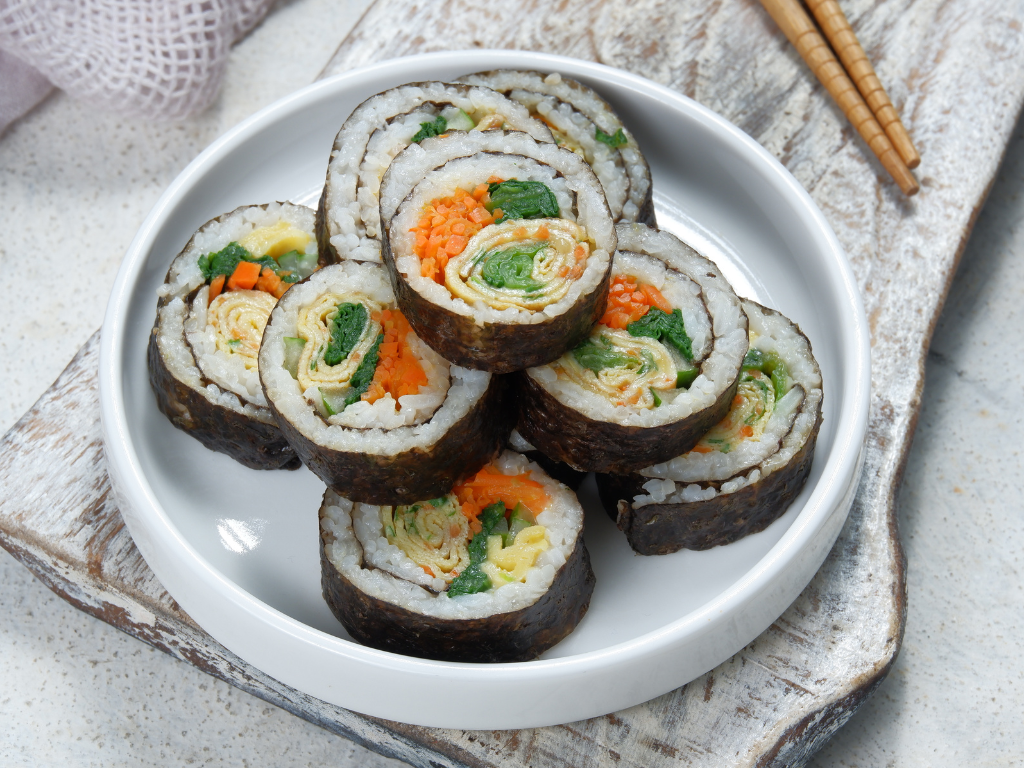
Seaweed for gimbap is gimbap gim, an unseasoned, thicker sheet
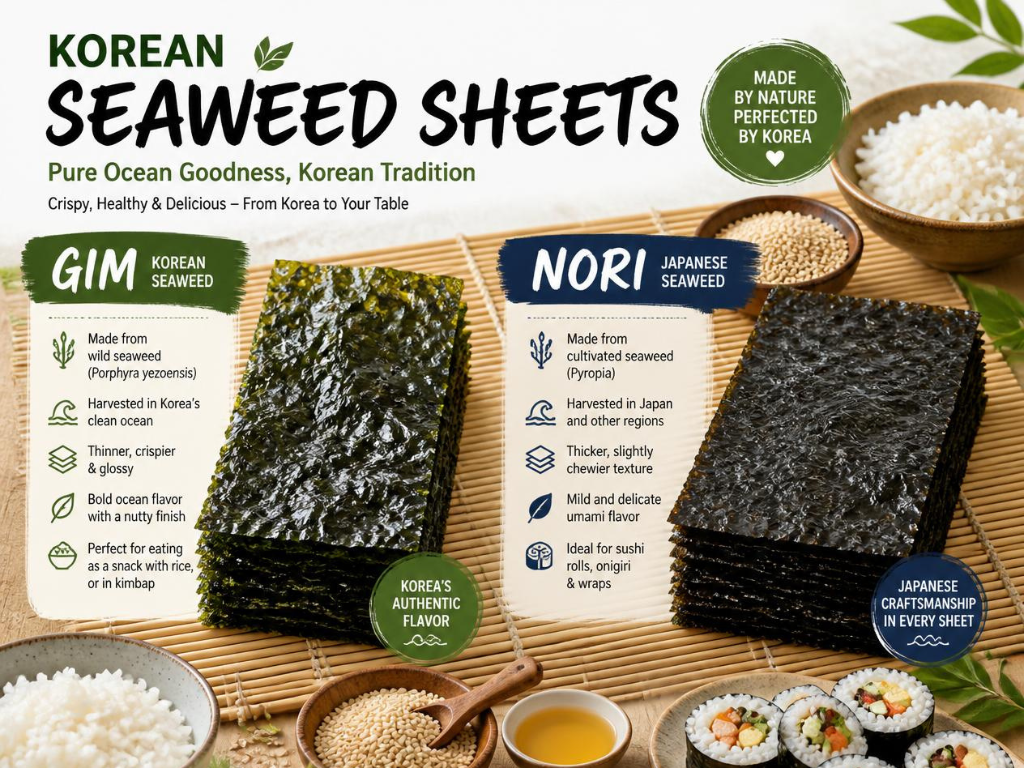
Korean seaweed sheets are gim, dried sheets of red algae