
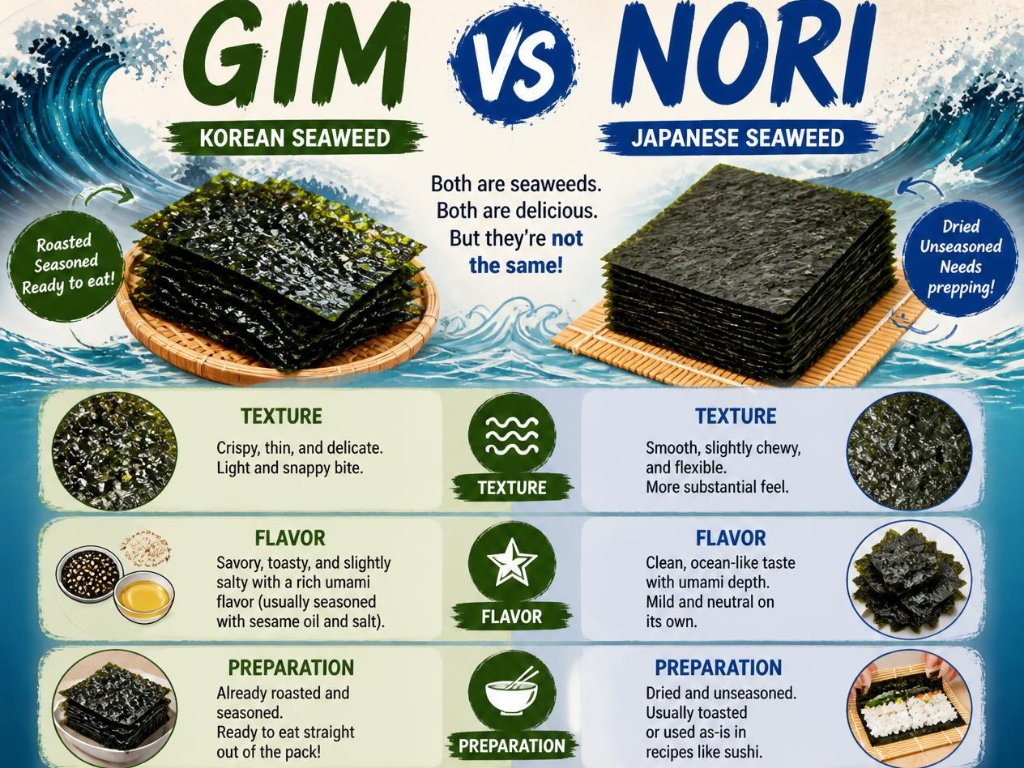
Gim vs nori is one seaweed: dried sheets of the
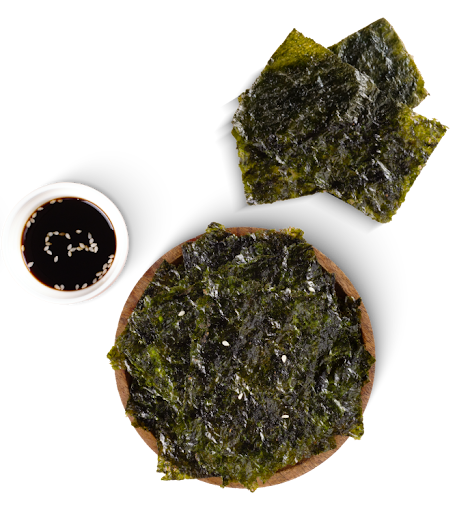
Sourcing the right seaweed distributor in Singapore can make or break your menu quality, kitchen efficiency, and bottom line. Whether you run a Japanese restaurant, a Korean BBQ concept, a hotel buffet, or a large-scale catering operation, the seaweed products on your menu and the supplier you choose shape how consistently you can deliver on your brand promise.
This checklist is designed for F&B buyers who want to move beyond guesswork and evaluate seaweed distributors with clarity and confidence.
Why Choosing the Right Seaweed Distributor Matters
Seaweed is no longer a niche ingredient. From nori, wakame and kombu for Japanese dishes to seasoned gim snacks, seaweed features across a wide range of cuisine types in Singapore’s competitive dining scene.
A reliable seaweed distributor ensures your kitchen never runs short, your product quality stays consistent, and your costs remain predictable. Choosing the wrong one, on the other hand, can lead to delayed deliveries, inconsistent product grades, and unexpected price hikes that disrupt your operations.
Singapore’s F&B industry moves fast, and your supply chain needs to keep up.
Essential Checklist for Evaluating Seaweed Distributors
Product Quality and Variety
Not all seaweed is created equal. Premium nori should be crisp, dark, and aromatic, a result of careful roasting and quality control, while quality wakame should rehydrate evenly without excessive sodium or artificial additives.
Product quality should be assessed using both sensory attributes and defined specifications. Premium nori should demonstrate controlled moisture, uniform thickness, and consistent roasting, while wakame should show stable rehydration performance and controlled sodium levels. When evaluating distributors, prioritize batch-level COA, traceability, and grading consistency. A supplier offering a full seaweed portfolio with aligned quality standards enables supply consolidation, scalability, and reduced sourcing risk across retail and food service channels.
Food Safety Certifications
Food safety is non-negotiable for any licensed F&B operation in Singapore. Your seaweed distributor should hold recognised certifications that demonstrate compliance with industry standards.
Key certifications to look for include HACCP (Hazard Analysis and Critical Control Points), which confirms systematic food safety controls are in place throughout the supply chain. ISO certification indicates quality management standards are consistently applied, while Halal certification is essential if your concept serves Muslim diners or operates within a Halal-certified kitchen.
Always request copies of valid, up-to-date certificates before committing to a supplier.
Consistency of Supply
Consistency is one of the most overlooked factors when evaluating a seaweed distributor, yet it is one of the most critical. A supplier who delivers premium nori today but substitutes with a lower grade next month creates serious problems for your kitchen team and your customers.
Ask distributors how they manage sourcing during peak seasons or supply disruptions. Those with established relationships with farms or manufacturers in Japan, South Korea, or China are better positioned to maintain steady supply without compromising on quality.
Pricing Transparency
Hidden fees and fluctuating prices are a common pain point when working with food distributors. A trustworthy seaweed distributor provides clear, itemised pricing that accounts for product grade, packaging format, and order volume.
Request a formal price list and clarify whether prices are locked in for a fixed period or subject to change based on market conditions. Understanding this upfront helps you plan your food cost accurately and avoid unpleasant surprises when invoices arrive.
Minimum Order Quantity (MOQ) Flexibility
MOQ policies vary widely across distributors in Singapore. Some require large minimum orders that only suit high-volume operations, while others offer more flexible arrangements suited to smaller or growing businesses.
If you are a new restaurant or a mid-sized catering company, look for a seaweed distributor who is willing to accommodate lower MOQs without significantly penalising your unit pricing. This flexibility signals that the distributor values long-term relationships over short-term volume gains.
Delivery and Logistics Capabilities
Reliable and timely delivery is fundamental to a smooth kitchen operation. Confirm the distributor’s delivery schedule, lead times, and whether they offer same-day or next-day options for urgent replenishments.
Cold chain management is especially relevant if you are sourcing fresh or refrigerated seaweed products. A distributor with in-house logistics and temperature-controlled vehicles is better equipped to maintain product integrity from warehouse to your kitchen door.
Evaluating Distributor Reliability
Track Record and Industry Experience
An experienced seaweed distributor brings more than just product to the table. Years in the industry translate into refined sourcing networks, a deeper understanding of quality standards, and the operational know-how to handle fluctuations in supply or demand.
Ask how long the distributor has been operating in Singapore’s F&B supply chain, and whether they have handled accounts of a similar scale or complexity to yours. Longevity in the market is a useful indicator of operational stability.
Client Portfolio (Restaurants, Hotels, Catering Companies)
A distributor’s existing client base tells you a great deal about their capability and credibility. Suppliers who work with reputable restaurants, hotel groups, or catering companies have already proven they can meet the demands of professional kitchens.
Ask for reference clients or case studies where possible. If a distributor supplies seaweed to well-known establishments across different cuisine concepts, it is a strong signal that their products and service levels meet professional F&B standards.
Customer Reviews and Testimonials
Online reviews and direct testimonials from other F&B buyers provide honest, unfiltered feedback about a distributor’s reliability, communication, and after-sales support. Look for reviews that specifically address consistency of supply, responsiveness to issues, and overall service quality.
If a distributor cannot point you to any client testimonials or references, that is worth noting. Confident, reliable suppliers are typically comfortable letting their work speak for itself.
Value-Added Services to Look For
Custom Packaging Options
If you are developing a retail product line or creating grab-and-go offerings, custom packaging can add significant value to your seaweed sourcing arrangement. Some distributors offer branded or portion-controlled packaging designed to meet specific retail or food service requirements.
Discuss your packaging needs early in the conversation to understand what options are available and what minimum volumes apply. The right distributor will work with you to find a solution that supports your product concept.
Private Label Opportunities
Private labelling allows you to sell seaweed products under your own brand without managing the manufacturing process directly. This is an increasingly attractive option for F&B operators looking to grow retail revenue alongside their dine-in business.
A seaweed distributor who offers private label services can help you develop a product with your preferred specifications, branding, and packaging format. This service is particularly valuable for hotel groups, catering companies, and restaurant chains looking to extend their brand beyond the dining table.
Menu Consultation or Product Recommendations
The best distributors do not just fulfil orders. They act as knowledgeable partners who understand ingredient applications and can recommend the right seaweed product for your specific menu requirements.
Whether you are developing a new sushi concept, refining your ramen topping selection, or exploring seaweed-based condiments, a distributor with genuine product knowledge adds real value to your sourcing relationship. This kind of consultative support helps you make better purchasing decisions and reduce costly trial-and-error in the kitchen.
Sampling and Product Trials
Before committing to a full order, a credible seaweed distributor should be willing to provide product samples for your kitchen team to evaluate. Sampling allows your chefs to assess quality, texture, flavour profile, and suitability for your menu without financial risk.
Be cautious of distributors who refuse to offer samples or who are vague about their product specifications. Confidence in their own products is a marker of a distributor who stands behind what they sell.
Local vs Overseas Seaweed Distributors
Benefits of Local Singapore-Based Suppliers
Working with a local seaweed distributor in Singapore offers meaningful operational advantages. Shorter delivery lead times mean you can maintain leaner inventory without the risk of running out of stock. Local distributors are also easier to communicate with, more responsive to urgent needs, and better acquainted with local food safety regulations and labelling requirements.
When issues arise, such as a damaged shipment or an urgent reorder, having a local point of contact who can act quickly is far more practical than coordinating with an overseas supplier across time zones.
When to Consider Direct Overseas Sourcing
For very high-volume operations or businesses with highly specific product requirements, direct sourcing from Japan, South Korea, or China may offer cost advantages. This route gives you more control over product specifications and traceability, particularly if you are building a premium brand narrative around origin and quality.
However, direct overseas sourcing comes with greater complexity, including import procedures, lead time management, and the need to manage compliance documentation independently. For most F&B businesses in Singapore, working with an established local seaweed distributor offers a far more practical and cost-effective balance.
Red Flags to Avoid When Choosing a Distributor
There are several warning signs that should prompt caution when evaluating a seaweed distributor. Vague or inconsistent product specifications suggest that the distributor does not have robust quality controls in place. An inability to produce valid food safety certifications is a serious concern that should not be overlooked, regardless of how competitive the pricing appears.
Distributors who are unwilling to share client references, resist providing samples, or cannot give a clear answer on delivery timelines are unlikely to be reliable long-term partners. Equally, those who frequently change pricing without notice or substitute products without prior communication can create significant operational headaches for your kitchen team.
Trust your instincts. If a distributor is difficult to deal with during the evaluation stage, the relationship is unlikely to improve once you become a paying account.
Questions to Ask Before Signing with a Seaweed Supplier

Before formalising any supply agreement, it pays to ask the right questions. Start by clarifying the product’s country of origin, harvest season, and any relevant quality grading information. Ask how the distributor handles supply disruptions and what their process is for notifying clients of product changes or substitutions.
Confirm the distributor’s certification status and request documentation that is current and verifiable. Discuss the full pricing structure, including delivery fees, surcharges for small orders, and how price revisions are communicated. Finally, ask for a trial period or a sample order so you can assess the distributor’s performance before making a long-term commitment.
The answers to these questions will give you a clear picture of whether the distributor is genuinely equipped to support your business.
Building a Long-Term Partnership with Your Seaweed Distributor
The most successful supply relationships go beyond transactional orders. Building a long-term partnership with your seaweed distributor means communicating your evolving needs clearly, providing feedback on product quality, and treating your distributor as a strategic partner rather than just a vendor.
Consistent and honest communication helps your distributor plan better and prioritise your account during periods of tight supply. In return, a committed distributor will proactively inform you of new products, upcoming promotions, and potential supply changes before they affect your operations.
Investing in this relationship pays dividends in the form of priority service, better pricing over time, and a supplier who genuinely understands your business.
Partner with Yoroshii: Your Trusted Seaweed Distributor in Singapore
Finding a seaweed distributor who ticks every box on this checklist takes time and careful evaluation. At Yoroshii, we bring together premium product quality, verified food safety certifications, and a deep understanding of Singapore’s F&B landscape to deliver a supply partnership you can rely on.
Whether you are sourcing nori for a high-volume sushi concept, wakame for your ramen programme, or exploring private label opportunities for a retail range, we have the expertise and range to support your business at every stage. Get in touch with our team today to request samples, discuss your MOQ requirements, and find out how Yoroshii can become your go-to seaweed distributor in Singapore.
FAQs About Seaweed Distributors in Singapore
What is the typical MOQ for seaweed suppliers in Singapore?
MOQ requirements vary depending on the distributor and product type. For bulk food service formats such as dried nori sheets or cut wakame, many Singapore-based seaweed distributors set MOQs starting from 5kg to 20kg per SKU. Some distributors offer more flexible arrangements for smaller or newer F&B businesses, so it is worth discussing your volume needs directly to find a workable arrangement.
Do distributors provide Halal-certified seaweed?
Yes, several seaweed distributors in Singapore supply Halal-certified products, particularly for nori and seasoned seaweed ranges. Halal certification is increasingly important for F&B operators serving Singapore’s diverse dining public, and reputable distributors will hold valid MUIS-recognised Halal certificates for qualifying products. Always verify that the certification is current and covers the specific SKUs you intend to purchase.
How quickly can seaweed be delivered in Singapore?
Most established seaweed distributors in Singapore offer delivery within one to three working days for standard orders. Some distributors provide next-day delivery for orders placed before a specific cut-off time, which is particularly useful for restaurants and catering companies managing tight inventory. Confirming the distributor’s delivery schedule and cut-off times upfront will help you plan your kitchen orders more effectively.
Is it better to work with a local distributor or import directly?
For most F&B businesses in Singapore, working with a local seaweed distributor offers the best balance of convenience, reliability, and cost efficiency. Local distributors handle import logistics, regulatory compliance, and local storage, so you can focus on your core operations. Direct overseas sourcing can be beneficial for very high-volume buyers with specific product requirements, but the added complexity in logistics, import duties, and documentation management makes it less practical for the majority of food service operators.
Can I request customised packaging for my business?
Many seaweed distributors in Singapore offer custom packaging services, particularly for businesses developing retail products or branded food service portions. This can include custom-branded packaging, portion-controlled formats, or private label arrangements. Minimum quantities apply for custom packaging orders, so discuss your requirements early to understand the investment and timelines involved.
How do I verify the quality of a seaweed supplier?
The most reliable way to verify quality is to request product samples before placing any orders. In addition, ask for product specification sheets that detail the grade, moisture content, country of origin, and any relevant quality testing results. Reviewing the supplier’s food safety certifications, such as HACCP and ISO, also provides a useful baseline. Speaking directly with existing clients or reading verified reviews from other F&B buyers in Singapore can offer further confidence in your decision.
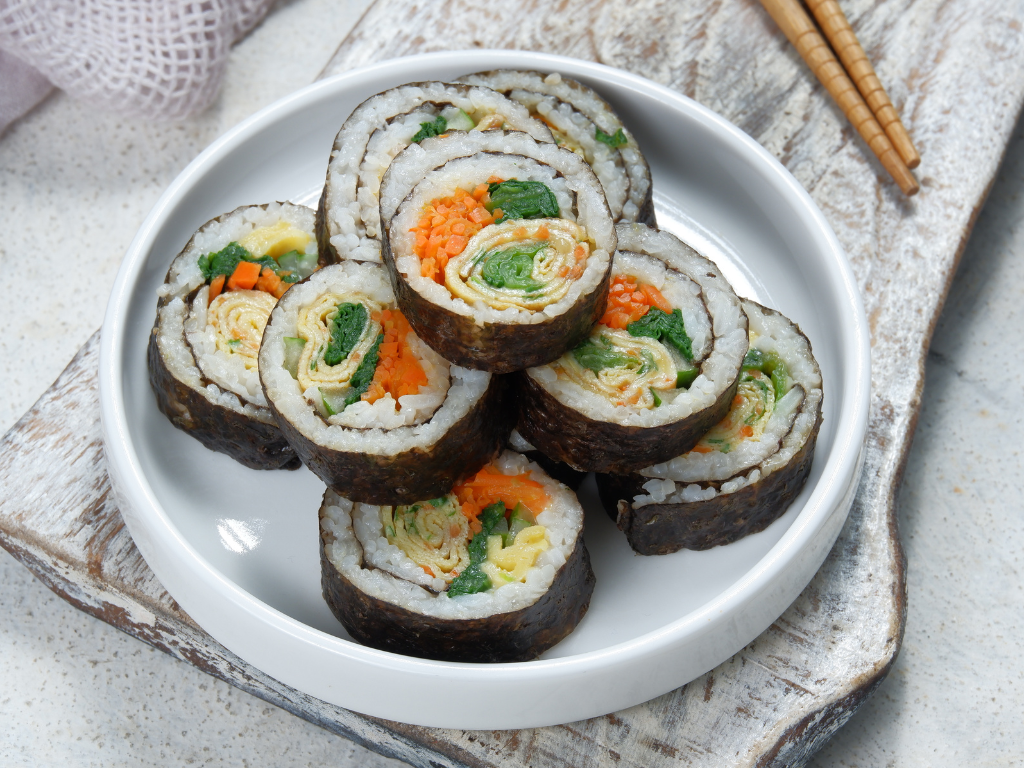
Seaweed for gimbap is gimbap gim, an unseasoned, thicker sheet
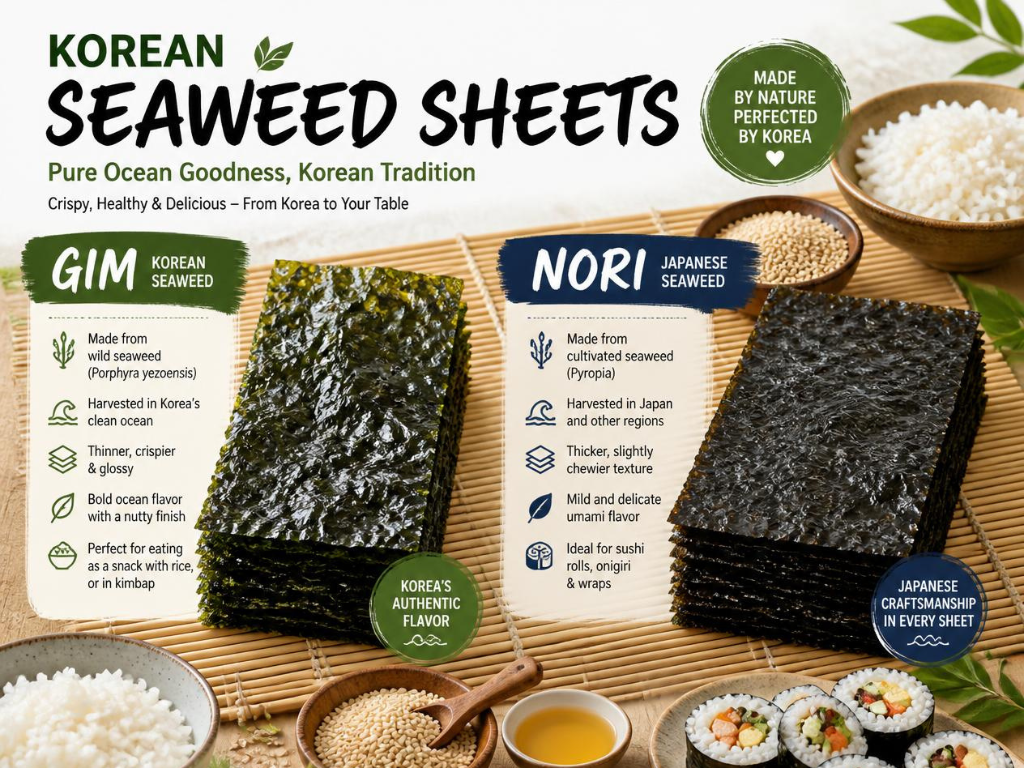
Korean seaweed sheets are gim, dried sheets of red algae