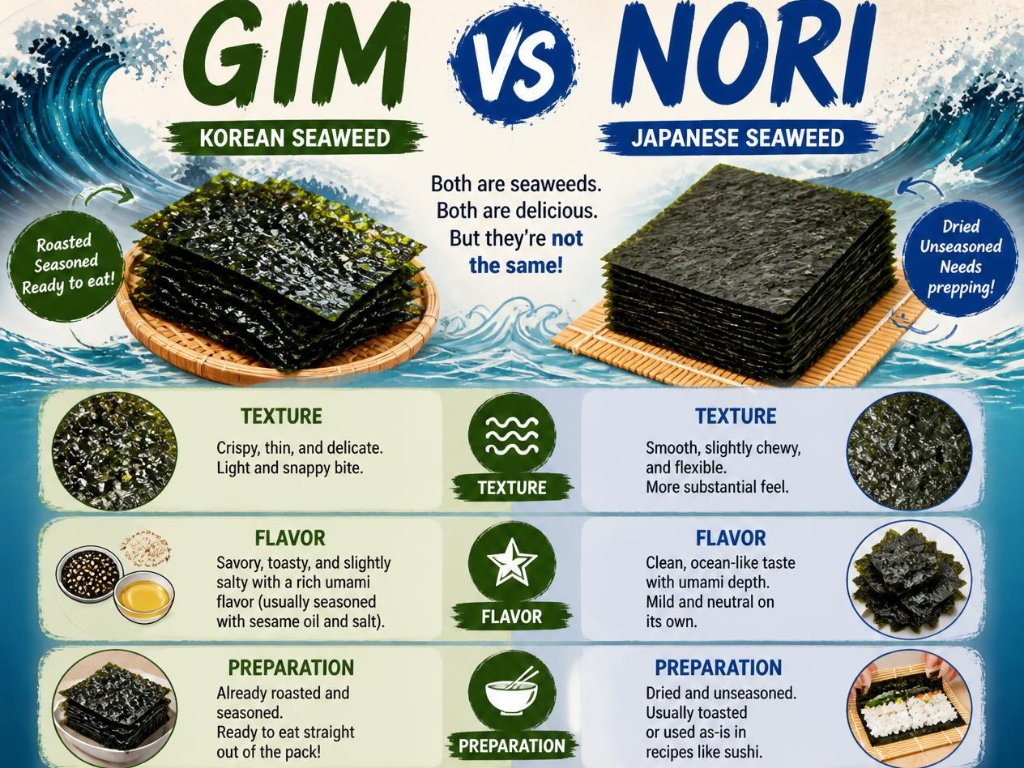
Gim vs nori is one seaweed: dried sheets of the
Edible seaweed covers the dried sheets, flakes, and shredded forms used across Japanese and Korean cooking, from sushi nori to seasoned gim. Each type behaves differently in the kitchen. This blog will walk you through the edible seaweed varieties Yoroshii supplies and how chefs, retailers, and manufacturers actually use each one.
If you run a high-volume kitchen, paying a little more for the right cut is almost always cheaper than the labor and waste of cutting in-house. The strips come out identical every time, which matters when presentation is part of the product.
What edible seaweed actually is
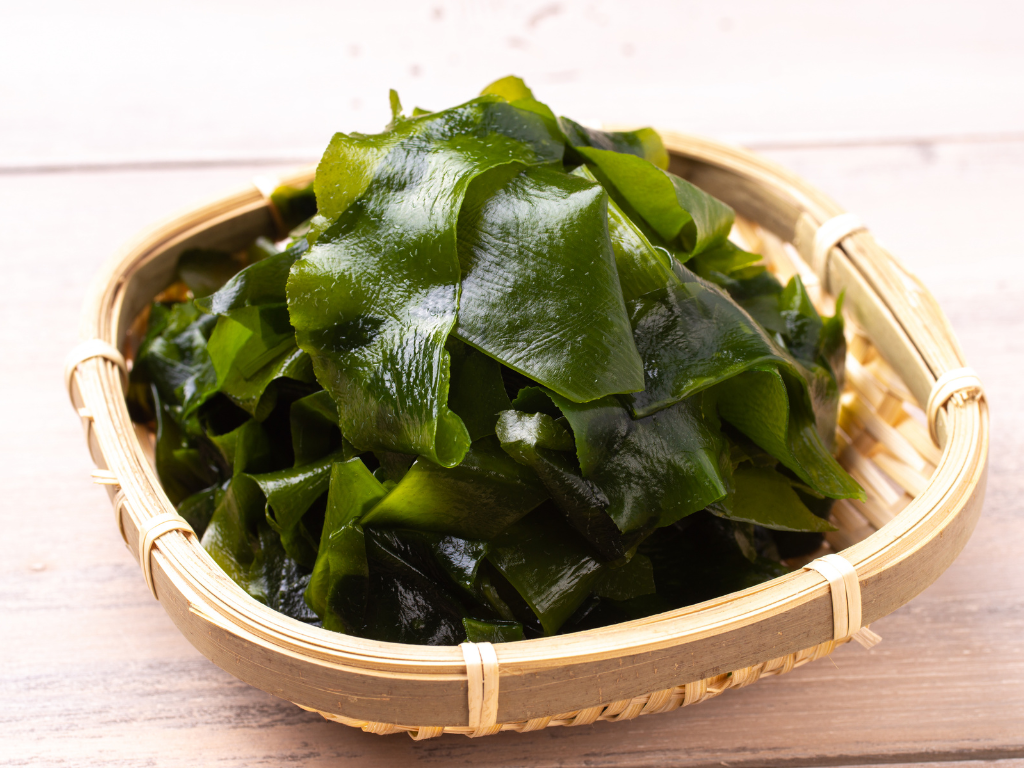
Edible seaweed is marine algae harvested, cleaned, and processed into food. Most of what reaches a commercial kitchen is red algae from the Porphyra and Pyropia families, the same plant the English call laver. Once it is washed, chopped, pressed into thin sheets, and dried, that laver becomes nori in Japan and gim in Korea. Same raw material, different finishing traditions. That distinction matters more than people assume. Nori is usually toasted plain, which gives it the clean, slightly sweet flavor sushi chefs want. Gim is brushed with sesame or perilla oil and salt before roasting, so it arrives savory and ready to eat. When you understand the source plant, the rest of the premium seaweed range Yoroshii supplies reads less like a catalogue and more like a set of tools, each shaped for a job. Two things hold across nearly every form. Seaweed is naturally rich in iodine, calcium, and vitamin B12, which is why dietitians point to it as one of the richest natural iodine sources available, according to the NIH Office of Dietary Supplements. And the good ones are vegan, gluten-free, and free of artificial colors, which is the reason seaweed keeps showing up on clean-label retail shelves.
The edible seaweed types Yoroshii supplies and how each is used
Yoroshii’s range is built around laver in its various processed forms. There is no kombu or wakame here. The focus is nori and gim, cut and seasoned for specific applications.Roasted seaweed sheets and snacks
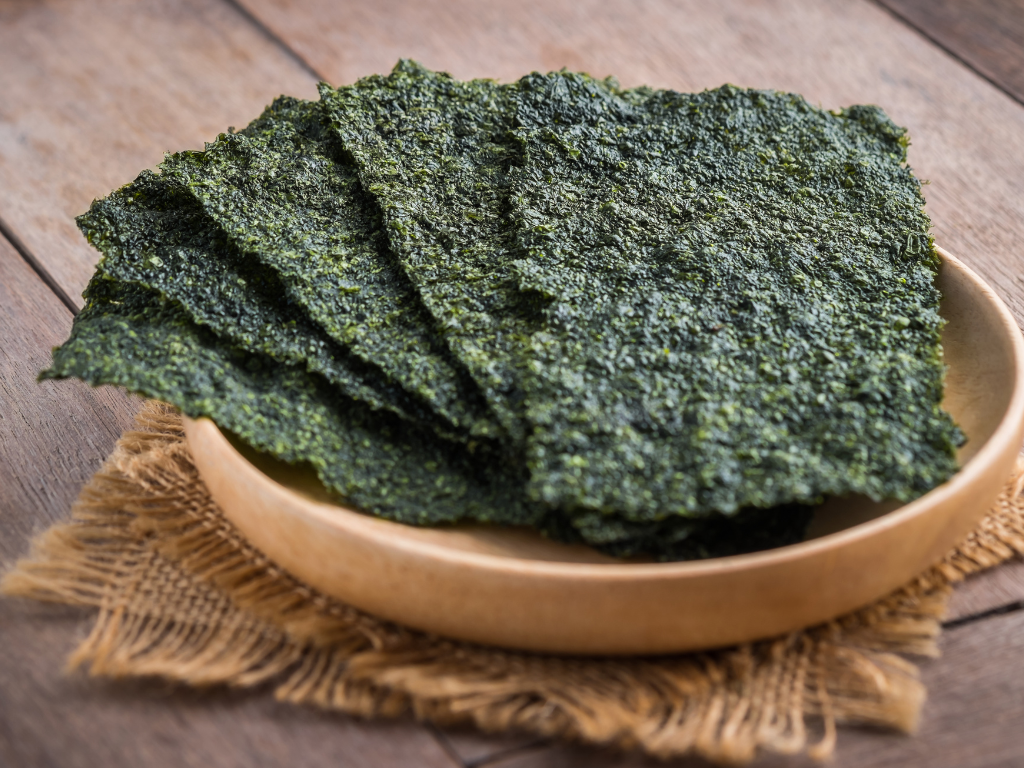
The roasted sheet is the workhorse. A standard sheet of yaki nori is toasted until crisp and used whole for maki rolls or torn for garnish. Lightly seasoned versions, sold as snack packs, sit at the other end of the spectrum and go straight from packet to mouth. For retail buyers, this is the fastest-moving format because the snack category keeps pulling in health-conscious shoppers who want something crunchy that is not fried.Nori cuts
Pre-cutting nori sounds trivial until you run a busy sushi line and realize how much time gets lost trimming sheets by hand. Yoroshii’s precision-cut nori formats solve that. Each format is sized for a different job.| Cut format | What it is | Typical use |
| Full cut | Whole sheet | Maki rolls, large temaki |
| Half cut | Sheet halved | Hand rolls and wraps |
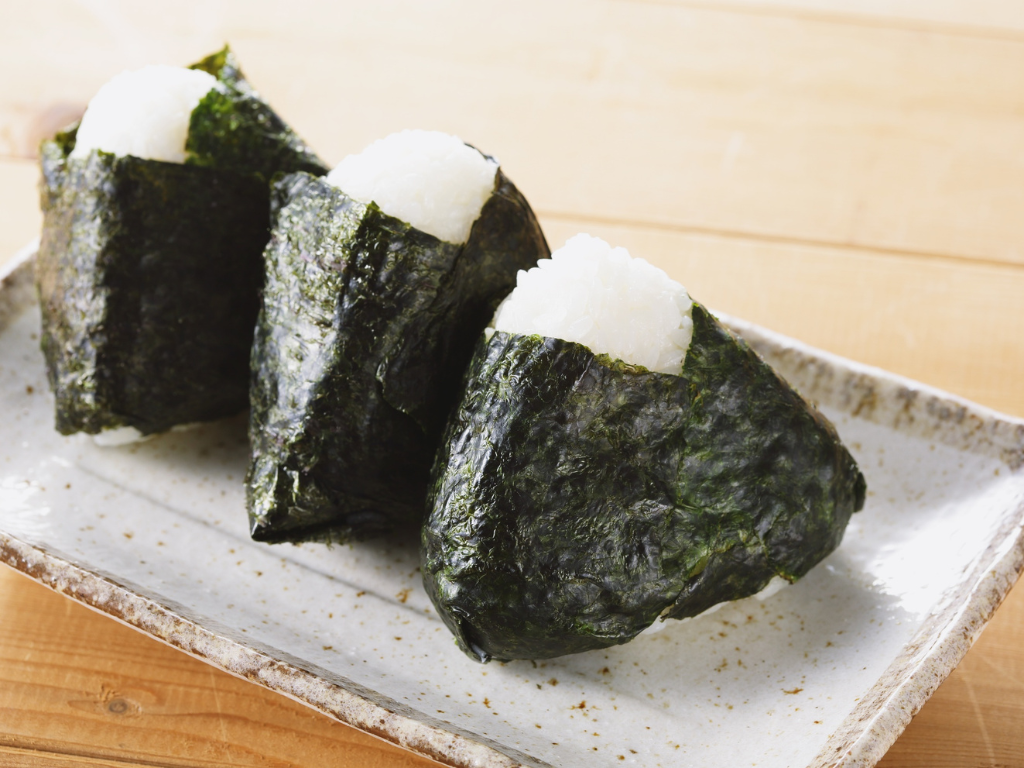
| 7 cut | Sheet split into seven strips | Onigiri bands, snack strips |
| 20 cut | Sheet split into small pieces | Garnish, rice-bowl topping, retail snack pieces |
Kizami nori (shredded seaweed)
Kizami nori is nori sliced into fine threads. It does one thing exceptionally well: it adds texture and a hit of sea flavor without getting in the way. Scatter it over a rice bowl, a bowl of soba, a salad, or okonomiyaki, and it stays crisp for a few minutes before softening into the dish. Yoroshii’s shredded kizami nori is the kind of ingredient that looks like a small detail and ends up defining how finished a plate feels.Ao nori (green seaweed flakes)
Ao nori is a different plant from the red laver used in sheets. These green flakes carry a brighter, grassier aroma and a stronger sea note. You will recognize them as the green dusting on takoyaki, okonomiyaki, and yakisoba. A little goes a long way, and the visual contrast against a sauced dish is part of why it works. For manufacturers building seasoning blends, ao nori is a reliable way to signal Japanese flavor at a glance.Roasted seaweed powder
Ground seaweed is the most underused format in Western kitchens. Roasted seaweed powder dissolves into salt blends, furikake, batters, and dressings, carrying savory depth without any visible seaweed at all. Nori is naturally high in the compounds behind umami, so a spoonful of powder can lift a stock or a snack seasoning in a way that reads as richness rather than fishiness. Food manufacturers reach for it when they want the taste of the sea without the texture.Seaweed for Japanese cuisine
Yoroshii’s seaweed built for sushi, temaki, and onigiri is nori selected and cut for those exact builds. Onigiri seaweed, for instance, is sized and scored so a rice ball stays wrapped without the sheet going soggy too fast. This is where the cut-and-purpose logic pays off, because a sheet that is perfect for a maki roll is the wrong shape for a triangle of rice.Korean seaweed sheets (gim)
The Korean line centers on seasoned Korean seaweed sheets, the oiled and salted gim that anchors gimbap and shows up as a side dish on its own. Gwangcheon-style gim, a name South Korean shoppers know well, is roasted thin and crisp. For retailers, seasoned gim is a strong entry point into the Korean food trend, and it needs no preparation, which keeps it appealing to first-time buyers.
Choosing the right format for retail versus foodservice
The format you want depends entirely on who is opening the package. Foodservice kitchens care about consistency and speed. They want full and half cuts for rolling, kizami and ao nori for finishing, and powder for back-of-house seasoning. A sushi counter doing hundreds of covers a night cannot afford to trim sheets, so pre-cut formats earn their keep within a week. Retail and private-label buyers think differently. They want shelf appeal, clean labels, and a snack that survives transit. Seasoned gim and roasted snack sheets win here because they are finished products, not ingredients. The same plant serves both markets, but the cut, the seasoning, and the pack size are what separate a wholesale ingredient from a retail SKU. Getting that match right is most of the job.Putting it to work in the kitchen
Seaweed rewards a light hand. Add kizami or ao nori at the end so it keeps its bite. Keep sheets sealed and dry, because nori pulls moisture from the air fast and goes limp once opened. If you want a concrete starting point, this seaweed rice bowl topping shows how shredded nori, a fried egg, and steamed rice come together into something that takes five minutes and tastes considered. The other thing worth saying plainly: supplier standards are not a footnote. Seaweed is a marine product, and traceability through the supply chain is what keeps it safe and consistent. Yoroshii’s products are made through its Malaysian subsidiary Front Option under ISO 22000 food safety management, alongside HACCP, GMP, and JAKIM Halal certification. For a buyer choosing a wholesale partner, that paperwork is the difference between a one-off order and a supply line you can build a menu around.Conclusion
Edible seaweed is not one ingredient. It is a family of formats cut from the same laver, each tuned for a job, from crisp snack sheets and precision nori cuts to fine kizami threads, green ao nori flakes, savory powder, and seasoned Korean gim. Knowing which form fits your kitchen or your shelf is what turns seaweed from a garnish into a strategy. If you are sourcing for a restaurant, a retail line, or a private label, talk to Yoroshii about samples and wholesale formats matched to how your customers actually eat. Browse the full seaweed range and start the conversation today.Frequently asked questions
What is the difference between nori, laver, and gim?
They come from the same red algae. Laver is the raw plant, common in British and Welsh cooking. Nori is the Japanese version, pressed into sheets and toasted plain. Gim is the Korean version, brushed with oil and salt before roasting, so it tastes savory on its own.Is edible seaweed vegan and gluten-free?
Pure seaweed is both. Yoroshii’s products are made from natural seaweed with no artificial additives, which suits vegan, gluten-free, and clean-label diets. Always check seasoned snack varieties, since added flavorings such as soy-based sauces can introduce gluten in some products.Which seaweed is best for sushi?
Roasted nori sheets are the standard. A full-cut sheet wraps maki rolls, while a half cut suits hand-rolled temaki. The toasting gives nori the crisp texture and mild flavor that sushi needs, which is why pre-cut nori formats are a foodservice staple.How is kizami nori used?
Kizami nori is shredded nori scattered over finished dishes. It adds texture and a clean sea flavor to rice bowls, soba, salads, and okonomiyaki. Add it at the last moment, because the fine threads soften quickly once they touch warm food or moisture.Why does seaweed taste savory?
Nori is naturally high in the compounds linked to umami, the savory taste behind dashi and aged cheese. That is why roasted seaweed powder can deepen a stock or a seasoning blend, and why a sheet of nori adds richness to rice without tasting overtly fishy.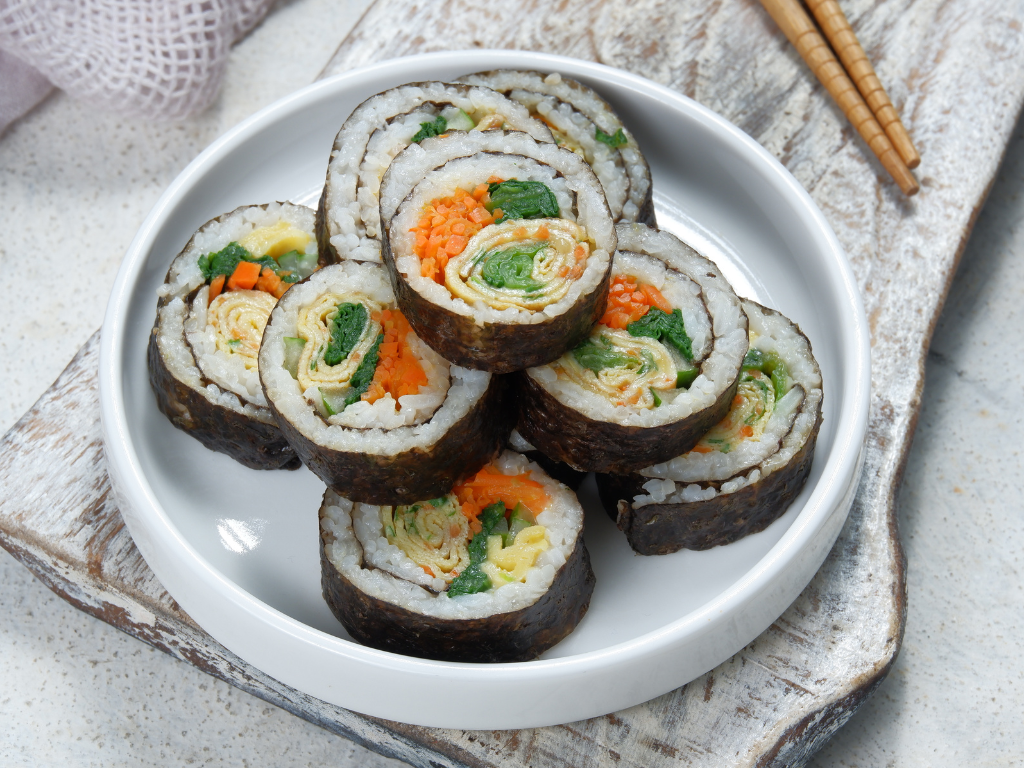
Seaweed for gimbap is gimbap gim, an unseasoned, thicker sheet
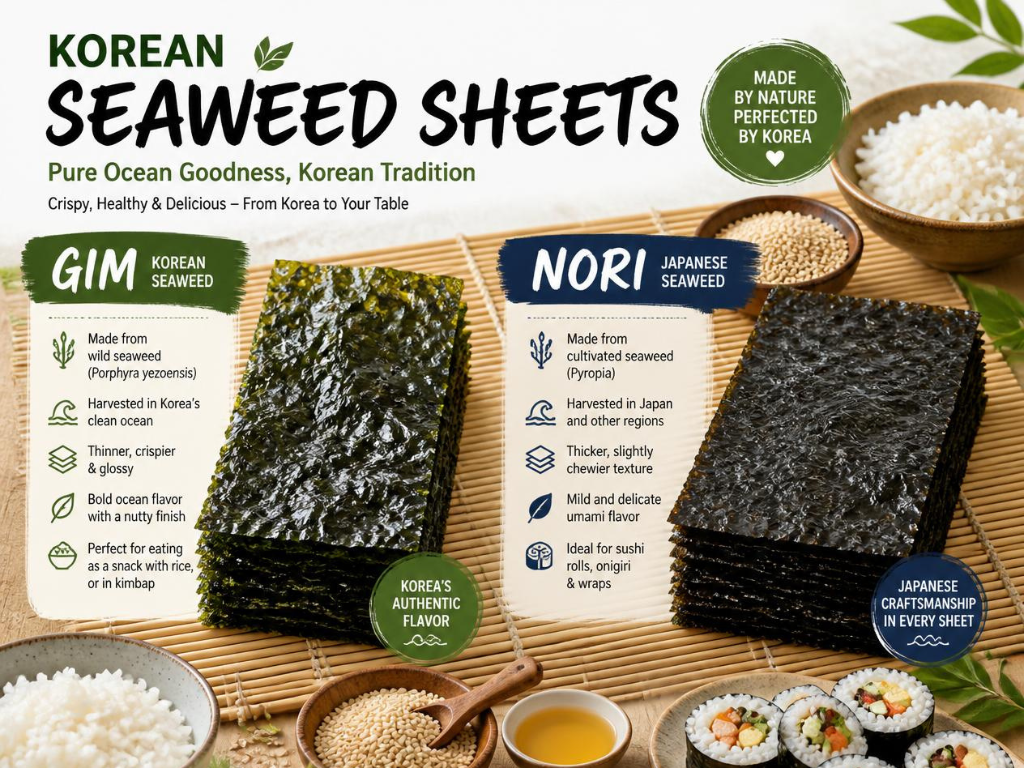
Korean seaweed sheets are gim, dried sheets of red algae