
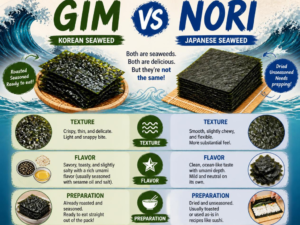
Gim vs Nori: How Korean & Japanese Seaweed Differ
Gim vs nori is one seaweed: dried sheets of the same red algae (genus Pyropia), finished differently by Korea and Japan. Korean gim is roasted
Gim vs nori is one seaweed: dried sheets of the same red algae (genus Pyropia), finished differently by Korea and Japan. Korean gim is roasted
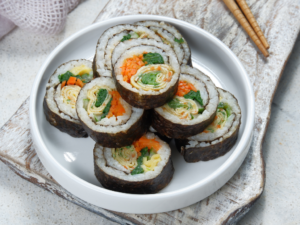
Seaweed for gimbap is gimbap gim, an unseasoned, thicker sheet of roasted laver (genus Pyropia) built to roll a fuller Korean rice roll without tearing.
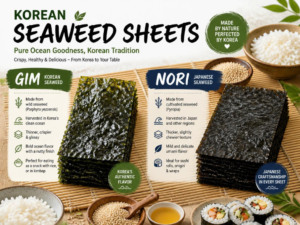
Korean seaweed sheets are gim, dried sheets of red algae (genus Pyropia) that Korea roasts with sesame or perilla oil and salt into a crisp,
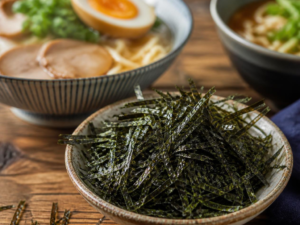
Kizami nori is roasted nori cut into fine strips, 0.5 to 1.5 mm wide, used as a finishing garnish on ramen, rice bowls, and salads
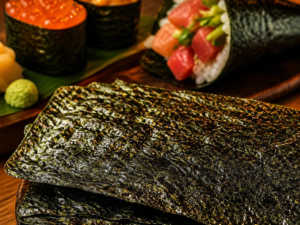
Sushi seaweed is nori, the roasted sheet of red algae (genus Pyropia) that wraps maki, temaki, and gunkan. One sheet, about 21 by 19 cm,
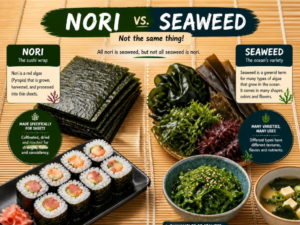
Nori vs seaweed reads like a contest, but nori is a type of seaweed: a roasted sheet of red algae in the genus Pyropia. Seaweed