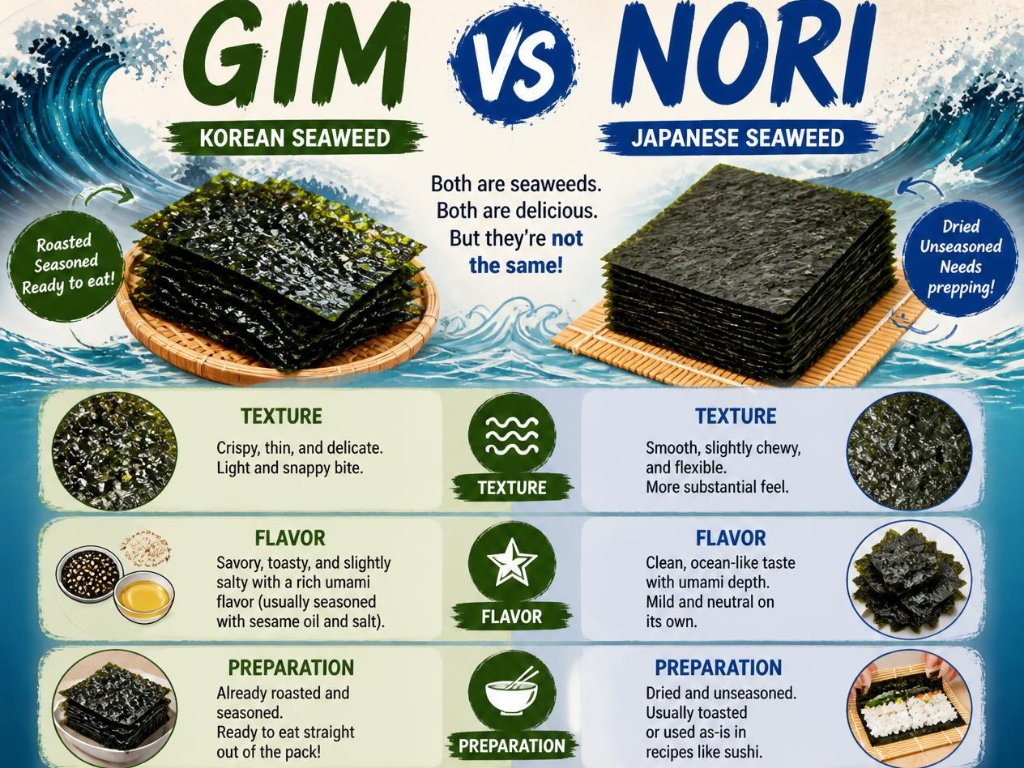
Gim vs nori is one seaweed: dried sheets of the
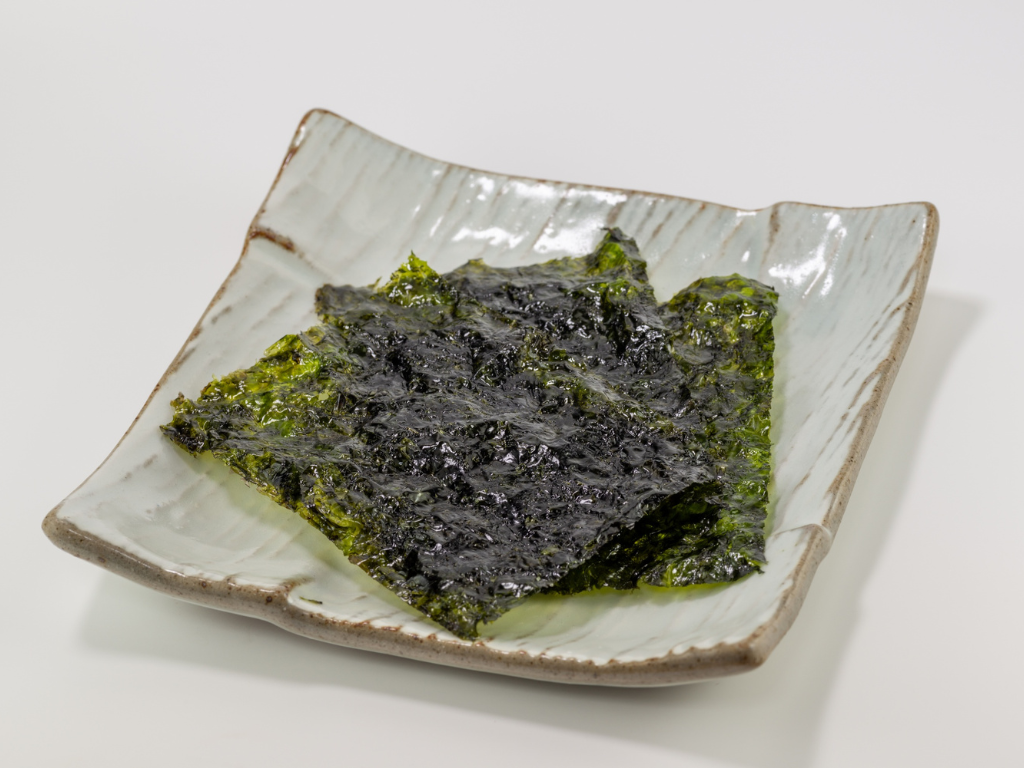
Halal seaweed is seaweed produced and processed under verified halal controls, which for the strongest assurance means JAKIM certification from Malaysia. Seaweed is naturally halal as a sea plant, but seasoning and processing are where status is won or lost. This blog will walk you through what JAKIM certification means for seaweed and how to source it.
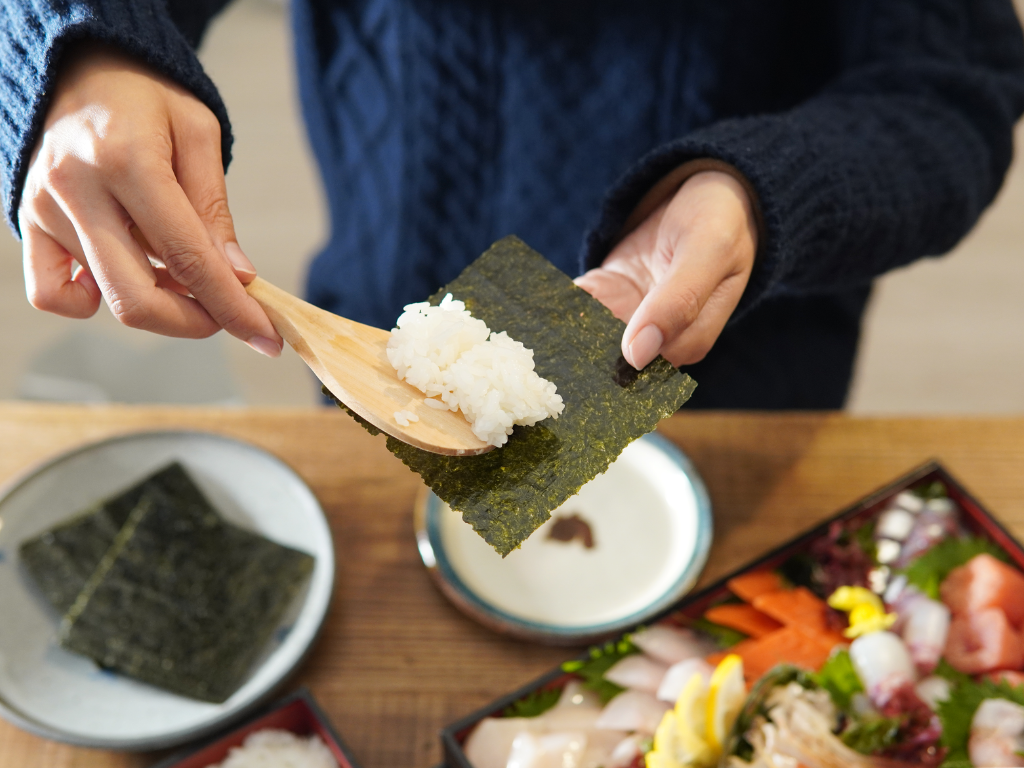
Is seaweed halal by default
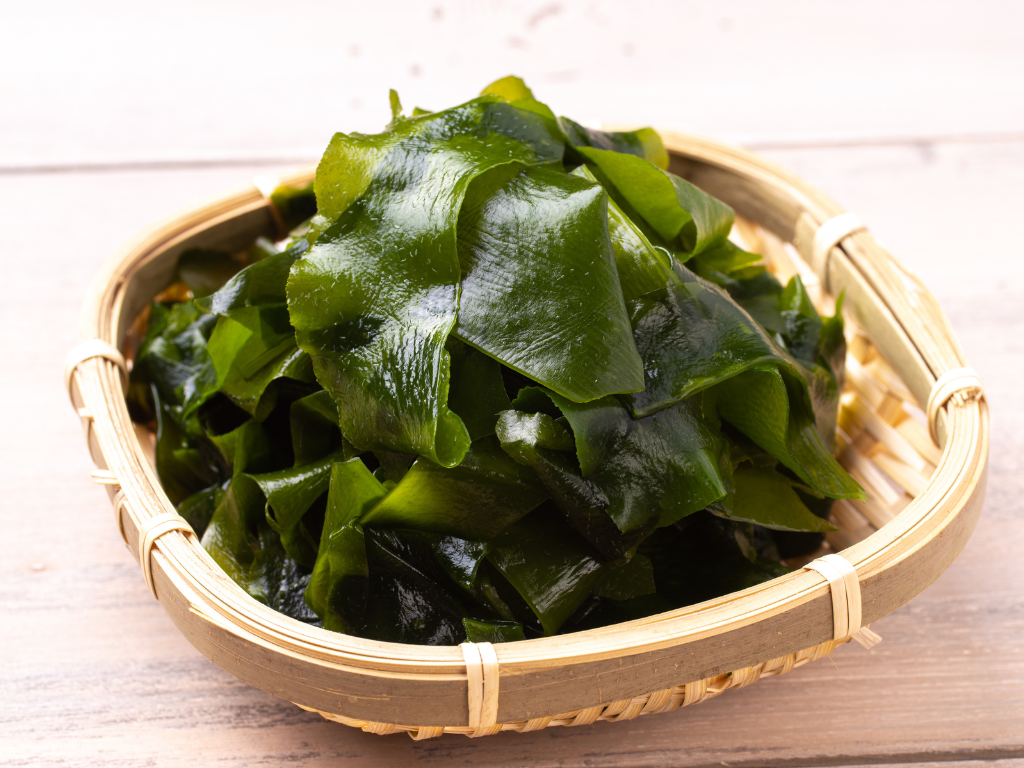
Seaweed starts from a strong position. As a plant that grows in the sea, laver and the nori and gim made from it are widely accepted as halal across Islamic dietary law, since sea plants fall under what is permissible. A plain, unseasoned roasted sheet rarely raises a question on the raw material alone. The complication is everything that happens after harvest. A roasted seaweed snack is not just the sheet. It carries oil, salt, and often a flavour coating, and any of those can introduce an ingredient or a process that breaks halal status. Seasoned varieties may use soy sauce that contains alcohol from fermentation, flavourings derived from animal sources, or shared equipment that has handled non-halal products. This is why a buyer serving Muslim customers cannot assume a seaweed product is halal simply because seaweed is a plant. The processing has to be verified, and that is what certification does.
What JAKIM certification actually means
JAKIM, the Department of Islamic Development Malaysia, runs one of the most widely recognised halal certification schemes in the world. A JAKIM halal certificate confirms that a product, its ingredients, and the facility that makes it comply with the Malaysia Halal Standard, MS 1500, across the whole production chain rather than just the final item.The certification covers the process, not only the product
This is the point buyers most often miss. JAKIM does not simply look at a finished snack and approve it. The scheme examines raw materials, sub-ingredients like seasonings and oils, storage, equipment, and shipping, and it requires that halal status be maintained at every stage. Equipment that has handled non-halal products cannot be used for certified lines without proper segregation and cleaning. For a seasoned seaweed snack, that means the soy sauce, the oil, and the line they run on are all in scope, not just the seaweed.The audit and the standard behind it
Certification is not a paperwork exercise. A company applies through the official MYeHALAL system on the Halal Malaysia portal run by JAKIM, submits documentation on ingredients and suppliers, and then undergoes an on-site inspection of the premises, with product samples taken for laboratory analysis where needed. The certificate is valid for two years, must be renewed before expiry, and can be withdrawn if standards slip. That recurring scrutiny is what gives the mark its weight, because it is not a one-time stamp.
Why JAKIM halal seaweed matters for buyers
For a retailer or distributor selling into Muslim-majority markets, halal certification is rarely optional. It is the entry ticket.It opens the largest growth markets in the region
Malaysia, Indonesia, and Brunei together represent a vast Muslim consumer base, and JAKIM certification is recognised or required across much of that territory. Malaysia treats halal as a serious export industry, with halal products valued at billions in annual export earnings, according to ASEAN Briefing’s reporting on Malaysia’s halal sector. A seaweed snack without recognised certification is locked out of a large share of supermarket and minimart shelves in these countries, regardless of how good the product is.It signals quality beyond the Muslim market
JAKIM certification sits alongside food safety systems like HACCP and ISO 22000, and the audit discipline overlaps. Many non-Muslim shoppers read a halal mark as a signal of clean, well-controlled production, which is why certified products often appeal to a broader base than the Muslim market alone. A buyer stocking a premium seaweed range that carries both halal and food-safety certification is buying a product that travels across more shelves with fewer questions.It removes the cross-contamination doubt
The biggest risk in seasoned snacks is not the headline ingredient but the hidden one, a flavouring or a shared line. Certification closes that gap by putting the whole process under audit. For a buyer, that means not having to interrogate every sub-ingredient themselves, because the certificate already covers it.How to verify a halal seaweed supplier
A claim of halal on a label is not the same as verified certification. The buyers who source well check a few specific things rather than taking the word on the pack. First, confirm the certifying body. JAKIM is the Malaysian authority, while MUIS covers Singapore and other recognised bodies operate elsewhere. A vague “halal” claim with no named certifier is a red flag. Second, check that the certificate covers the manufacturing facility, not just a trading name, and that it is current, since certificates expire every two years. A valid Malaysian certificate carries an MS number and a reference file number, and the logo can only be used on the products and premises actually listed, so a logo on packaging should trace back to a real, in-scope certificate. Third, look for complementary food safety credentials, because a manufacturer holding HACCP, ISO 22000, and GMP alongside halal is one with mature process control rather than a single box ticked. Provenance of supply matters too. A manufacturer based in Malaysia, the home of the JAKIM scheme, is operating inside the system that issues the certification rather than seeking foreign recognition for it. That tends to make the paperwork cleaner and the audits more direct.Where to source JAKIM halal seaweed
Yoroshii, the flagship brand of Singapore’s VGE Pte Limited, is one supplier built around this requirement. The company has supplied seaweed to retail and foodservice since 1993 and manufactures through its Malaysian subsidiary Front Option, a facility in Klang. The company’s own certifications page states that those operations are certified by recognised bodies including ISO 22000, HACCP, GMP, and JAKIM Halal, which places the halal credential alongside the food safety systems that buyers want to see together. That combination suits buyers selling into Southeast Asian Muslim markets in particular. A Korean seasoned seaweed pack or a spicy seasoned roasted seaweed is exactly the kind of seasoned product where halal verification matters most, because the seasoning is where status is decided. Being based in the region also keeps lead times short for buyers in Singapore, Malaysia, and neighbouring markets. For retailers wanting ready content to support a halal seaweed line, the seaweed recipe ideas give material for product pages and in-store promotion. When evaluating any supplier, ask for the current certificate and check the certifying body and scope before committing to volume. A reputable supplier will provide documentation on request, and the strongest will hold halal and food safety certification together rather than one without the other.Conclusion
Seaweed is halal at the source, but seasoned and processed seaweed snacks earn that status through verified controls, and JAKIM certification is the mark that proves it across ingredients, equipment, and the whole production chain. For buyers selling into Muslim markets, a named certifier, a current certificate covering the facility, and complementary food safety credentials are the things that separate a genuine halal supplier from a label claim. If you are sourcing halal seaweed for retail or foodservice in Muslim-majority markets, ask Yoroshii for current certification documentation and samples, and verify the scope against your own market before you scale.Frequently asked questions
Is seaweed halal?
Seaweed is widely accepted as halal because it is a plant that grows in the sea, and sea plants fall under what Islamic dietary law permits. Plain roasted nori or gim rarely raises a question. The caution is with seasoned snacks, where oils, sauces, and shared equipment need halal verification.What is JAKIM halal certification?
JAKIM is the Department of Islamic Development Malaysia, and its halal certificate confirms a product and its facility meet the Malaysia Halal Standard, MS 1500. It covers raw materials, seasonings, equipment, and shipping, backed by an on-site audit. The certificate is valid for two years and must be renewed.Are seasoned seaweed snacks halal?
Not automatically. The seaweed is halal, but the seasoning can introduce alcohol-based sauces, animal-derived flavourings, or cross-contamination from shared lines. This is why certification matters most for seasoned products. A JAKIM halal certificate confirms the oils, sauces, and production line all meet halal requirements.How do I verify a halal seaweed supplier?
Confirm the certifying body, such as JAKIM for Malaysia or MUIS for Singapore, and avoid vague halal claims with no named certifier. Check the certificate covers the manufacturing facility and is current, since it expires every two years. Look for HACCP and ISO 22000 alongside it.Why does halal certification matter for exporting seaweed?
JAKIM certification is recognised across Muslim-majority markets like Malaysia, Indonesia, and Brunei, where it is often required for retail shelves. Without it, a seaweed snack is locked out of a large consumer base. Certification also signals clean, audited production to non-Muslim shoppers, widening the market.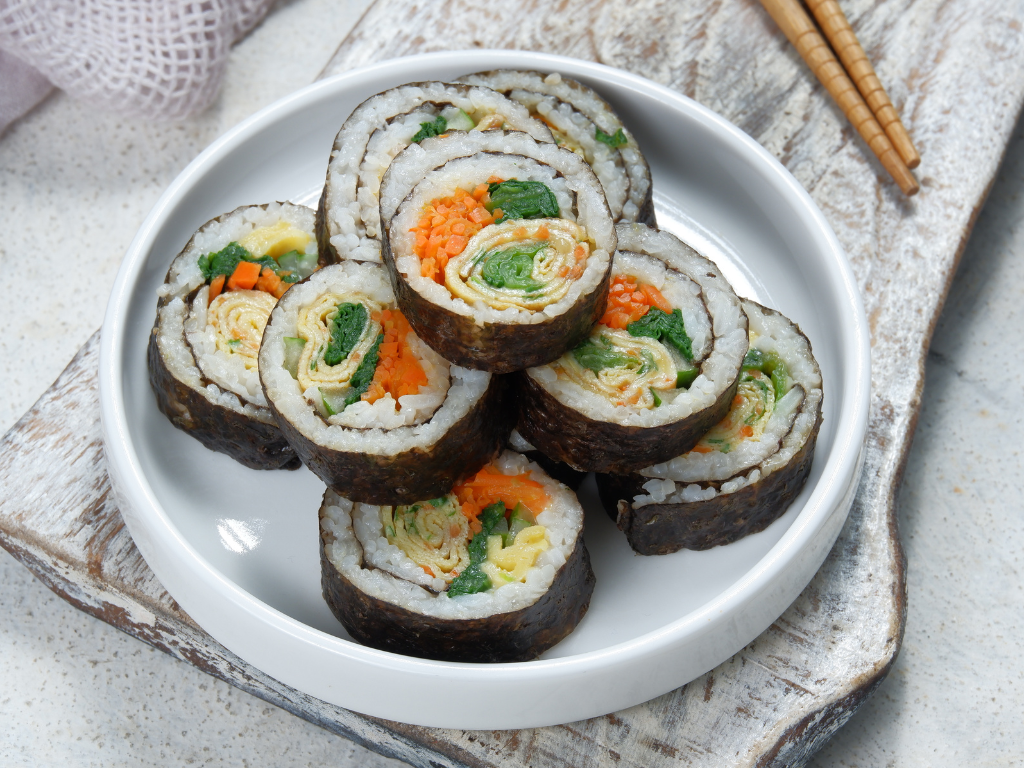
Seaweed for gimbap is gimbap gim, an unseasoned, thicker sheet
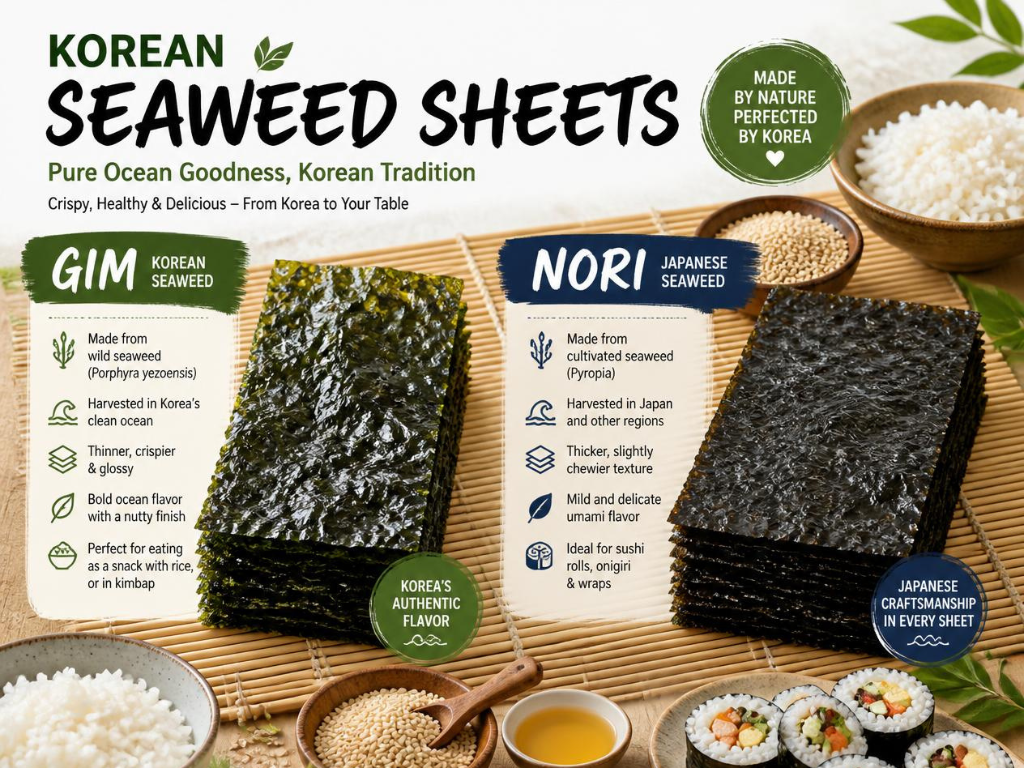
Korean seaweed sheets are gim, dried sheets of red algae