
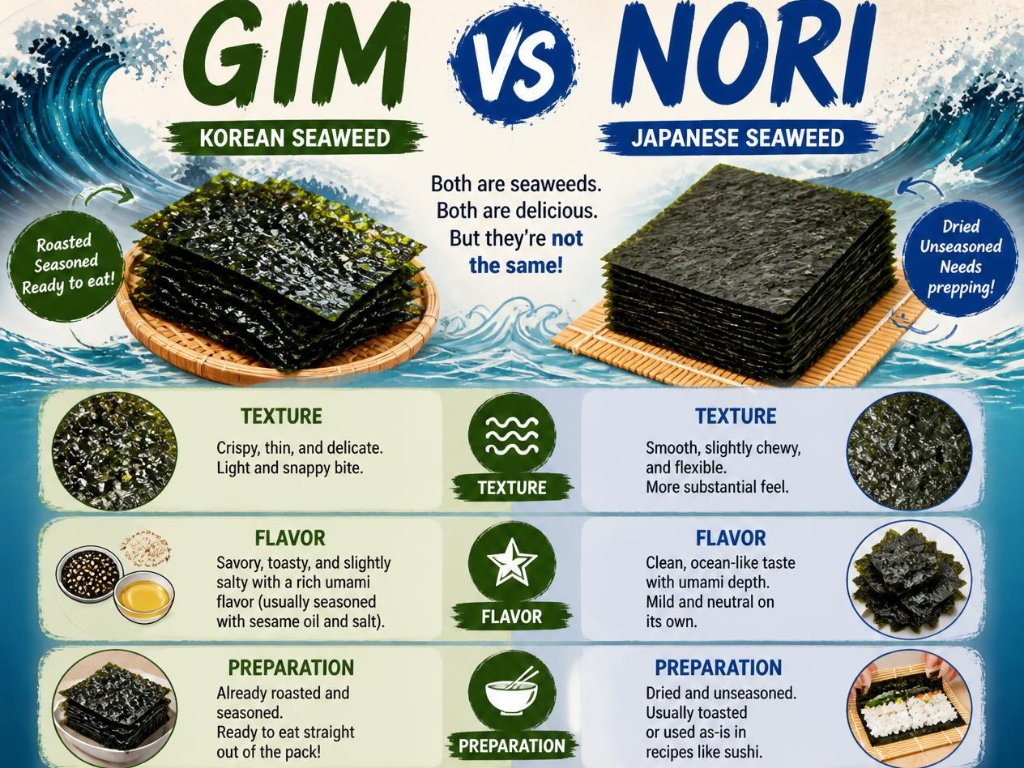
Gim vs nori is one seaweed: dried sheets of the
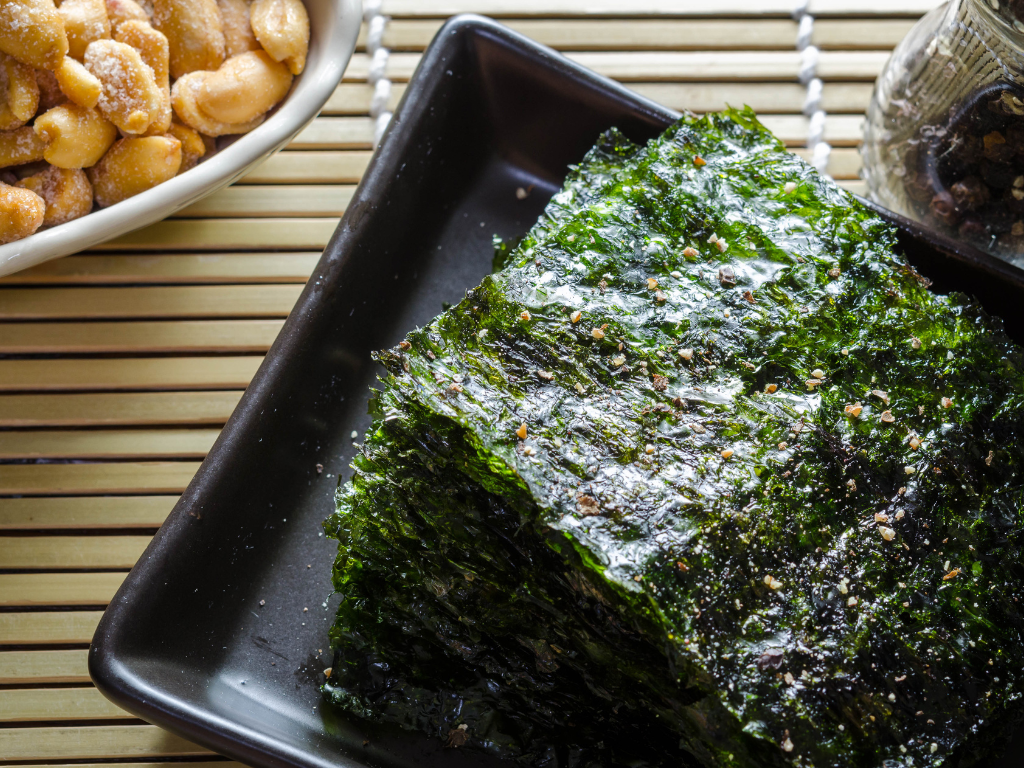
Spicy seaweed has moved from a niche Korean snack to a mainstream shelf item, riding a wave where nearly 15 percent of new salty-snack launches in 2023 carried bold heat. It is a roasted seaweed sheet finished with a chilli seasoning, crisp and fiery in one bite. This blog walks you through what goes into the hot and spicy variant, drawing on our premium seaweed range.
What is spicy seaweed?
Spicy seaweed is a roasted sheet of laver seasoned with chilli over an oil-and-salt base. It takes the same crisp roasted seaweed used in plain snacks and adds a layer of heat, turning a mild savoury sheet into a bold one. The base is nori, the red laver behind sushi and Korean gim, and the spice goes on after the roast, sitting on top of the sheet.
Our own version is the Spicy Seasoned Roasted Seaweed (H20T), a 12 gram pack at $2.00, which the label describes as crispy roasted seaweed with a bold spicy kick, halal-certified, vegetarian, and made with all-natural ingredients. That single product is the category in miniature: a roasted seaweed snack, a chilli seasoning, and a clean ingredient list, sold in a single-serve format built for snacking on the go.
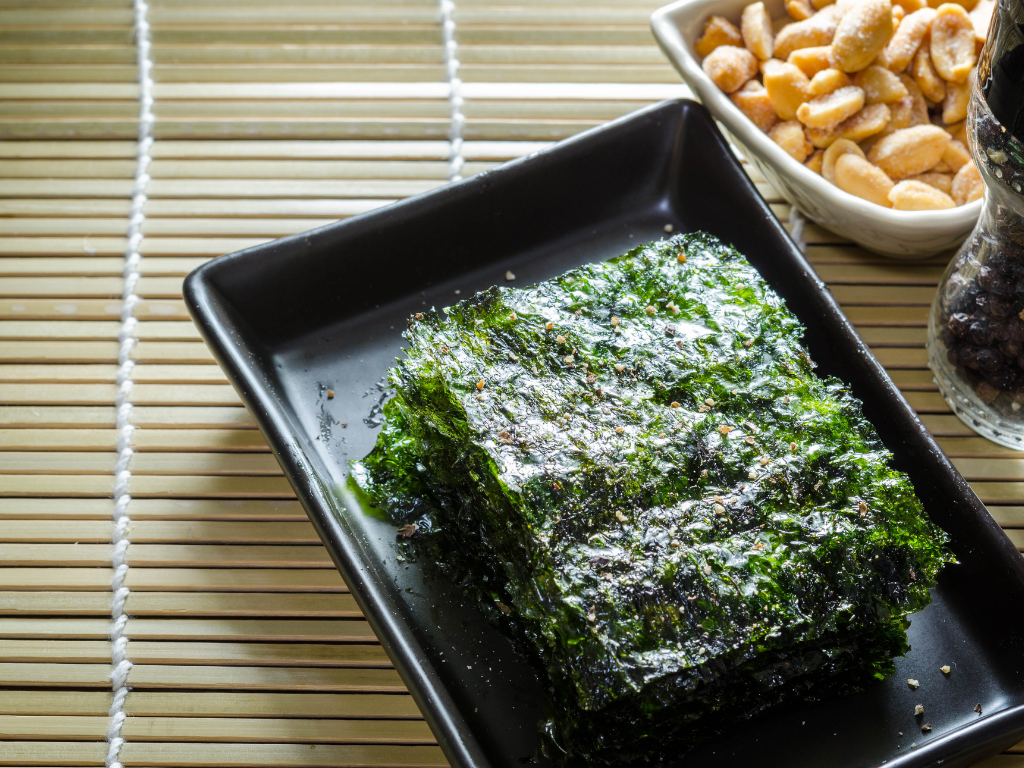
What goes into the hot and spicy roasted variant?
Chilli seasoning over roasted seaweed, laid on an oil-and-salt foundation. The sequence matters. The laver is roasted crisp first, then brushed with oil, usually sesame, and salt, and finally coated with a chilli seasoning that carries the heat. The oil earns its place. It helps the chilli and salt cling evenly to the sheet, which is why a well-made spicy pack tastes consistent from the first piece to the last.
Capsaicin, the compound in chilli that registers as heat, is what separates the spicy line from the rest. In our hot and spicy roasted seaweed, the chilli layer is built for a bold kick, and it stays halal-certified and vegetarian because the seasoning uses no animal-derived or non-compliant ingredients. The clean-label promise is real here: all-natural ingredients and no artificial colours, which stands out in a spicy-snack aisle full of synthetic heat and dye.
The order of operations is what a manufacturer obsesses over. Roast first, coat second, because seasoning a sheet before the roast scorches the chilli and dulls the flavour. The coat then has to be even across every sheet in the run. A heavy patch reads as harsh and a thin one reads as bland, and a shopper who gets an inconsistent pack rarely buys a second. That consistency is harder with a spicy line than a plain one, because there is a chilli layer to control on top of the oil and salt.
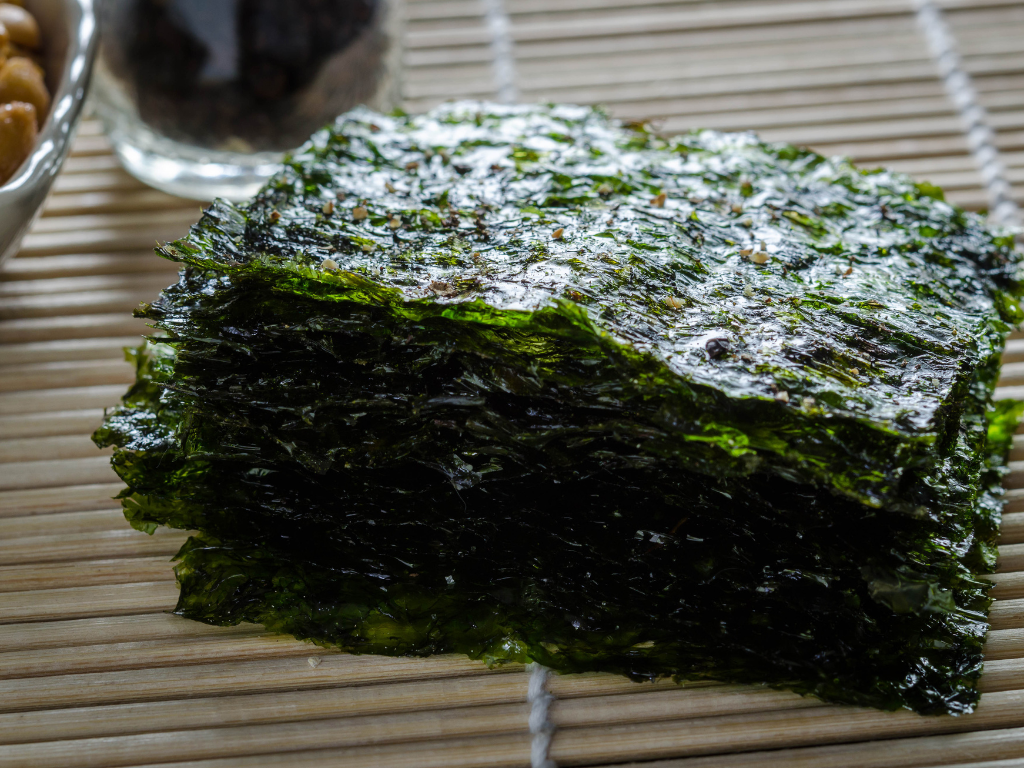
How spicy is spicy seaweed, and can you adjust the heat?
Spicy seaweed sits in the bold range, hotter than a seasoned Korean sheet but short of a novelty-extreme burn. We do not publish a Scoville rating for the H20T, and most seaweed brands do not, so the honest description is a strong, direct chilli heat that most spice-tolerant snackers handle comfortably. It tastes fiery, and it is meant to.
For a milder option, the seasoning changes and the seaweed stays the same. A milder Korean seasoned pack like our KS02 leans on sesame oil and salt with no chilli, the natural step down for a shopper who wants flavour without heat. Retailers often stock both, so a shelf covers the spice-seeker and the milder palate from one brand. The heat lives entirely in the seasoning, so the same roasted base can run mild or hot depending on the coat it gets.
Is spicy seaweed healthy?
Spicy seaweed keeps most of the nutrition of plain roasted seaweed, with two things to watch: sodium and the chilli itself. The seaweed base stays low in calories and carries iodine, calcium, and fibre, and a 12 gram pack is a light snack by any measure. The seasoning adds salt, so a spicy pack sits higher in sodium than a plain sheet, which matters if seaweed snacks are a daily habit.
The chilli side is mostly upside. Capsaicin adds intensity with no calories, part of why spicy snacks get marketed as a better-for-you indulgence. The clean-label build helps too. Because our spicy seaweed uses all-natural ingredients and no artificial colours, it skips the synthetic dyes common in fiery snacks. Spicy seaweed is a sound snack in normal portions. Read the sodium on the pack if you are eating it every day, the same advice that applies to any seasoned variant.
Why is spicy seaweed selling so well?
Spicy snacking is one of the strongest flavour trends of the decade, and seaweed is a clean-label way into it. Reporting on 2025 flavour trends cites Euromonitor finding that nearly 15 percent of new salty-snack launches in 2023 featured bold heat, and Mondelez’s 2024 State of Snacking reported that 75 percent of consumers get excited about trying a new snack. Gen Z and Millennials are driving the appetite for bold, globally inspired flavours, and Korean food’s continued rise keeps spicy gim-style snacks in front of new buyers. Sriracha, gochujang, and peri peri have all crossed from restaurant menus into the snack aisle in the past few years, and seaweed carries that heat well because its own umami gives the chilli something to sit on.
Seaweed rides two trends at once here: heat and health. A spicy seaweed snack answers the demand for bold flavour while staying low-calorie, vegan-friendly, and free of artificial additives, which few fiery snacks manage. The broader category backs the momentum. According to Grand View Research, the global seaweed snacks market reached 2.43 billion US dollars in 2024, with Asia-Pacific holding just over half of revenue, and the spicy variant is one of the formats pulling first-time and repeat buyers into it. A growing flavour trend sitting on a clean base is why the what defines a good roasted snack question now has a spicy answer on most shelves.
Should retailers stock spicy seaweed?
Yes, as the bold anchor of a seaweed snack range. Spicy packs pull the impulse and trial buyer, the shopper chasing heat and a new experience, which suits a minimart checkout or a snack shelf aimed at younger consumers. Priced at $2.00 for the H20T single-serve, it is a low-risk trial buy that travels well.
The smart range pairs the spicy line with a plain and a milder option, so the shelf covers the spice-seeker, the health-led buyer, and the milder palate without needing three suppliers. That is where wholesale snack supply from a single certified source earns its place, since a retailer can stock the spicy H20T, the plain roasted line, and the Korean seasoned pack on one order. A spicy variant draws attention on the shelf, and the plain and milder packs capture the repeat purchase, so the three sell better together than any one alone.
Conclusion
Spicy seaweed is roasted laver finished with a chilli seasoning over an oil-and-salt base, crisp and bold, built for a snacking market where heat and clean labels both sell. It keeps the low-calorie, halal, vegetarian profile of the seaweed while adding the fiery kick younger shoppers are chasing. For a retailer, it is the attention-grabbing anchor of a range, strongest when paired with plain and milder options.
If you are building a snack shelf and want the spicy line alongside plain and Korean seasoned packs from one source, ask Yoroshii for samples, pack specifications, and wholesale pricing before you set your range.
Frequently asked questions
Is spicy seaweed the same as spicy gim?
Spicy gim is the Korean version, roasted seaweed seasoned with sesame oil, salt, and chilli. Spicy seaweed is the broader term for any chilli-seasoned roasted sheet, including Yoroshii’s Spicy Seasoned Roasted Seaweed (H20T). They share a base of roasted laver, with the heat added in the seasoning.
Is spicy seaweed halal and vegetarian?
Yoroshii’s Spicy Seasoned Roasted Seaweed (H20T) is halal-certified and vegetarian, made with all-natural ingredients and no animal-derived seasoning. The seaweed itself is a plant, and Yoroshii manufactures through Front Option under JAKIM Halal certification, which matters for Muslim-majority markets across Southeast Asia.
How much does spicy seaweed cost?
Yoroshii’s Spicy Seasoned Roasted Seaweed (H20T) is $2.00 for a 12 gram single-serve pack, the same price as the plain Roasted Seaweed (B20T). Larger plain formats like the YN50 run $12.30. Wholesale and bulk pricing for retail buyers is quoted on request.
Can you cook with spicy seaweed?
You can, though it is built for snacking. Spicy seaweed already carries chilli, oil, and salt, so it works best crumbled over rice, noodles, or ramen for a heat hit. For cooking from scratch, an unseasoned option like Yoroshii’s Raw Seaweed (B06) at $2.30 fits better.
Does spicy seaweed contain artificial colours?
Yoroshii’s spicy variant is made with all-natural ingredients and no artificial colours, unlike many fiery snacks that rely on synthetic dyes for a red tint. The heat comes from a chilli seasoning over an oil-and-salt base, which keeps the H20T within a clean-label positioning.
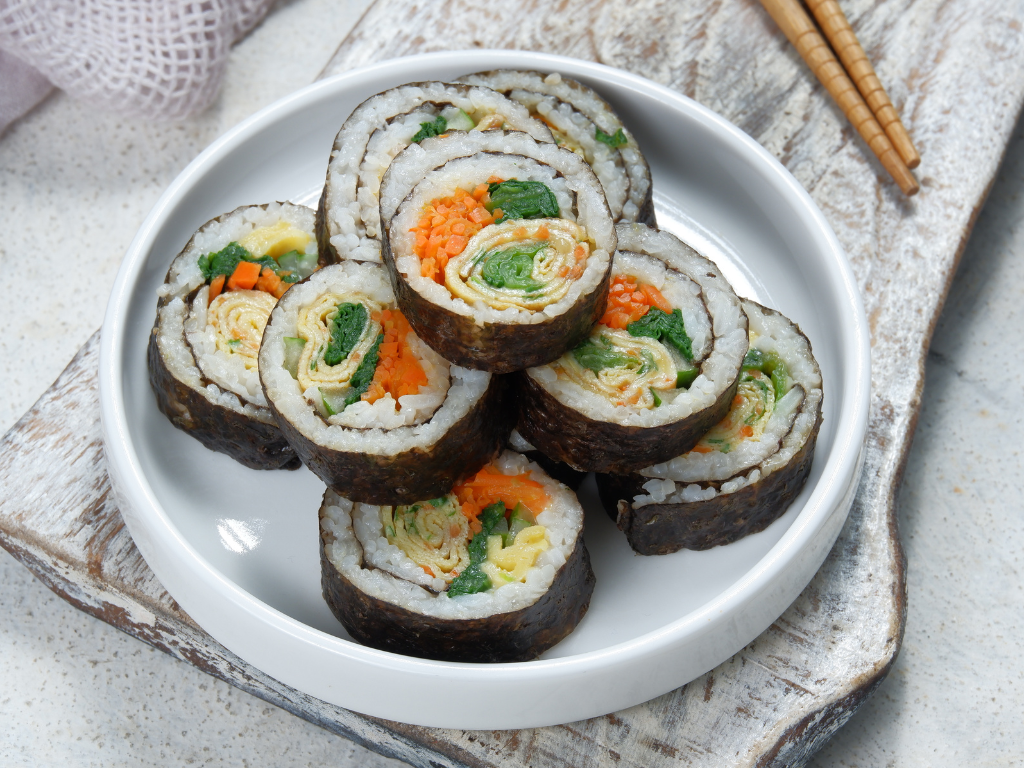
Seaweed for gimbap is gimbap gim, an unseasoned, thicker sheet
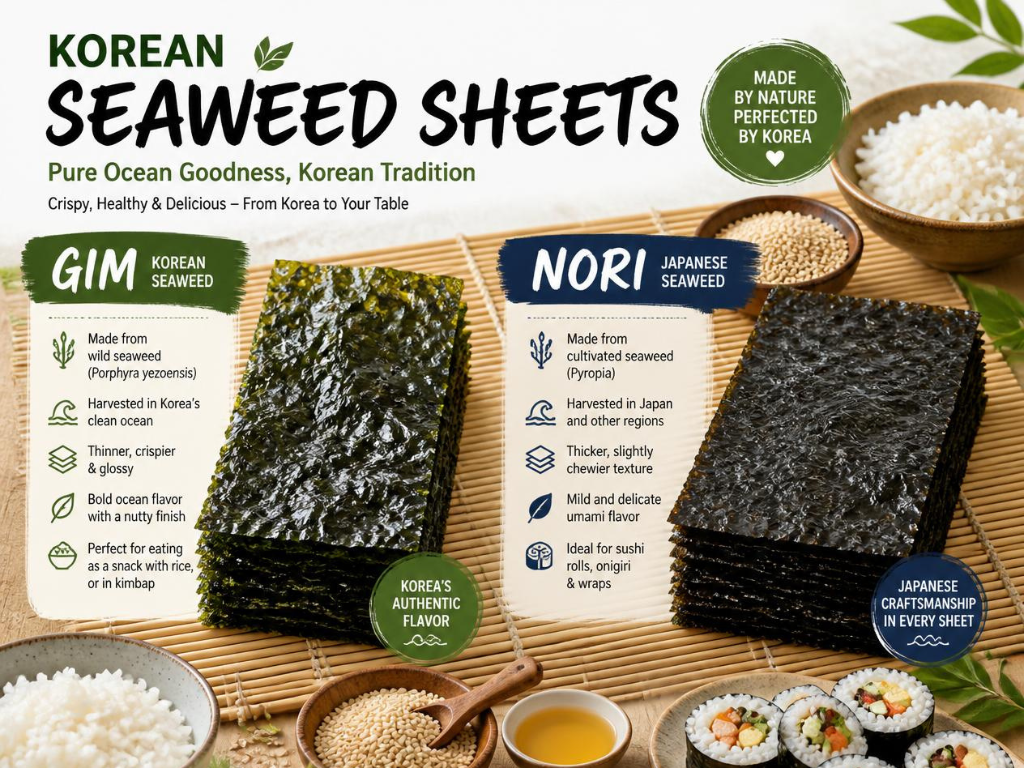
Korean seaweed sheets are gim, dried sheets of red algae