
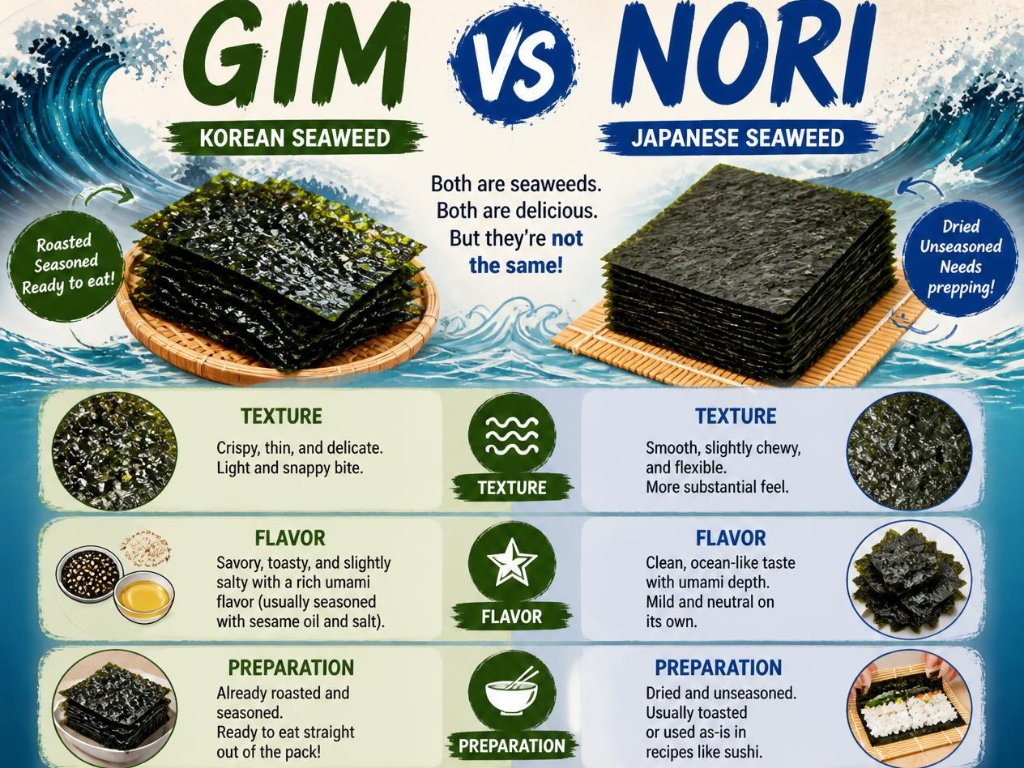
Gim vs nori is one seaweed: dried sheets of the
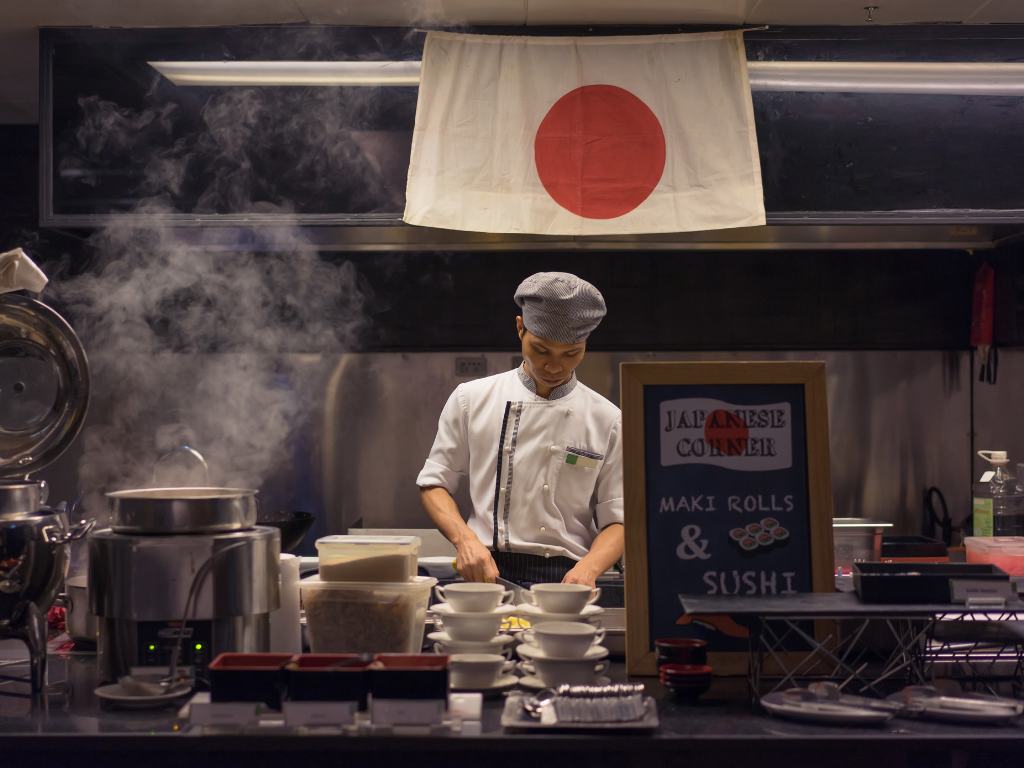
Roasted seaweed flakes, known as aonori, are the bright green finish on a plate of okonomiyaki or takoyaki, added in the last second before serving. They are dried green laver, sprinkled over hot food for aroma and umami. This blog walks you through what aonori is and how kitchens use it, starting from our premium seaweed range.
What are roasted seaweed flakes, and what is aonori?
Roasted seaweed flakes are dried green laver, called aonori in Japanese, crushed into small flakes and used as a finishing garnish. They carry a strong marine aroma and a savoury umami note, and they go on hot food at the end. Our Ao Nori Green Seaweed Flakes sell at $11.20, sold as a pure seaweed seasoning with no additives.
The name tells you the job. Aonori combines the Japanese words for blue-green and seaweed, a nod to its vivid colour. It has been eaten in Japan since the Edo period, which ran from 1603 to 1868, and is cultivated in bays such as Ise. A cook reaches for aonori when a dish needs a green lift and a hit of sea aroma at the table. That one role, a finishing sprinkle, carries through the rest of this guide.
Is aonori the same as nori?
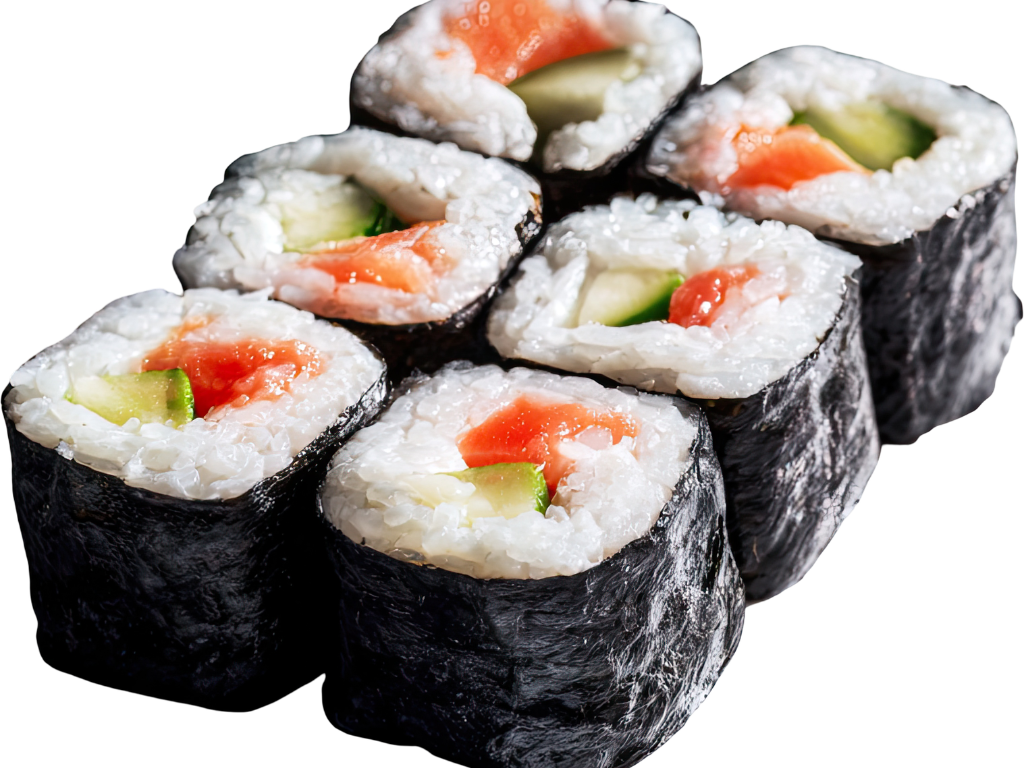
No, and treating them as interchangeable is the most common mistake with this ingredient. Aonori is a green seaweed from the Monostroma and Ulva genera. Nori, the dark sheet that wraps sushi, is a red algae from the Pyropia genus. They are different species with different flavours, and one does not stand in for the other.
The flavour gap follows the biology. Aonori is grassier, brighter, and more aromatic, with a scent people compare to matcha. Sheet nori is darker and brinier, with a roasted umami built for wrapping rice. According to reference on green laver, aonori is used dried and sprinkled onto hot food for its aroma, while nori is pressed into sheets. Crumble a sheet of sushi nori over okonomiyaki and you will miss the aonori result, because the species carrying that grassy top note is not in the sheet.
What is aonori used for in Japanese cooking?
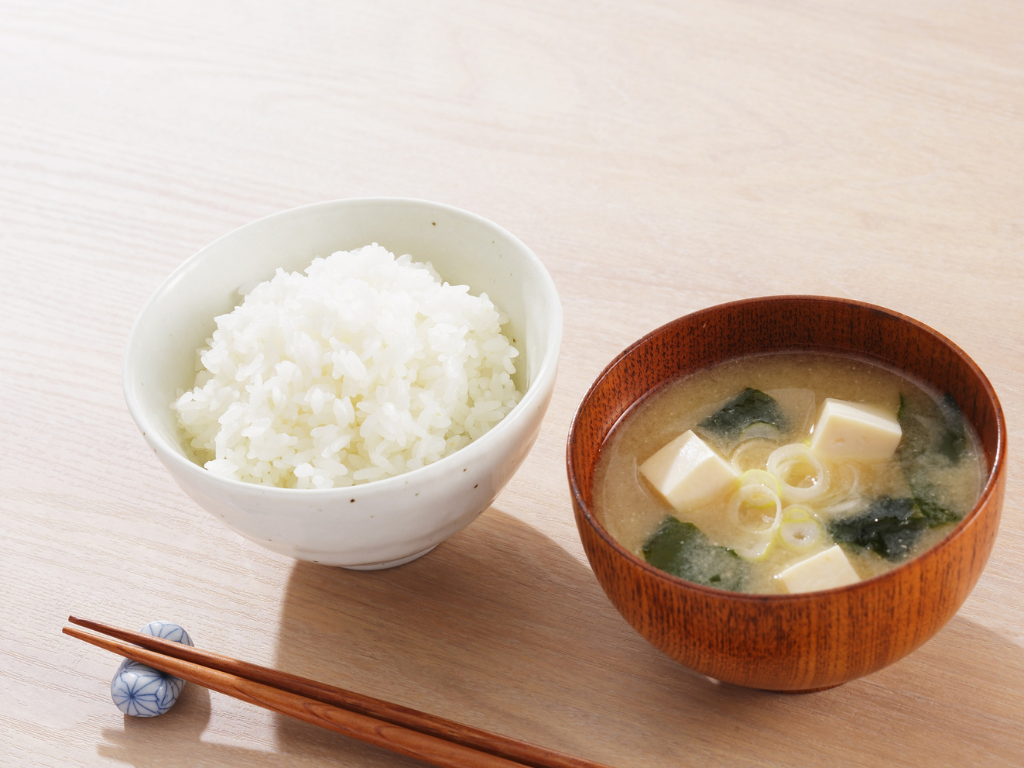
Aonori is a finishing garnish, sprinkled over savoury dishes at the last moment for colour, aroma, and umami. Its three signature homes are okonomiyaki, the savoury cabbage pancake, takoyaki, the octopus balls, and yakisoba, the fried noodles. On all three it lands after cooking, often alongside bonito flakes and a brown sauce, where the green stands out against the dark toppings.
The reach goes well past the big three. Aonori seasons rice and rice bowls, tops ramen and salads, and folds into furikake with sesame for sprinkling on plain rice. Chefs use it as an ingredient for seaweed for Japanese cooking because a pinch does two jobs at once, adding a savoury depth and a colour cue that tells a diner the dish is finished. Yoroshii’s green seaweed flakes are made for exactly this, a pure aonori seasoning that carries flavour and colour without any filler.
How do you use aonori on okonomiyaki and takoyaki?
Sprinkle it last, off the heat. The move on both dishes is the same: cook the okonomiyaki or takoyaki, apply the sauce and mayonnaise, then scatter aonori and bonito flakes over the top just before serving. Heat drives off the aroma, so the flakes go on once the dish leaves the griddle. A light, even sprinkle is the goal, since aonori is potent and a heavy hand turns the flavour bitter and the plate muddy. A pinch per portion is plenty, which is part of why a single pack lasts a busy kitchen a long time.
What is the difference between aonori flakes and aonori powder?
Flakes and powder are the same seaweed at different grinds, and the grind changes the use. Flakes are coarser, hold their shape on a plate, and read as a visible green garnish. Powder is finer, disperses into batters and dressings, and colours a mix evenly. Both come from the same dried green laver, so the flavour is identical. The texture and the look are what differ.
For a finishing garnish, flakes win because they sit on the surface and stay legible, which is why okonomiyaki and takoyaki call for flakes. Powder earns its place when the seaweed needs to vanish into something, like a seasoned salt, a dough, or a dressing. Yoroshii supplies both, with the flakes for surface garnish and a roasted seaweed powder for blending, so a kitchen can match the grind to the job. Buy the form the dish needs and you skip the compromise of forcing one grind to cover two uses.
Why does aonori taste and smell the way it does?
Aonori’s punch is umami on the tongue and a marine, matcha-like aroma in the nose, and each has a cause. The savoury note is glutamate, the same compound behind the umami in kombu and nori. The distinctive smell comes from dimethyl sulfide, a compound that also gives the sea and some green teas their scent, which is why aonori reads as both oceanic and grassy.
That aroma is fragile, and it drives how the ingredient is handled. Volatile aroma compounds cook off with heat, so aonori goes on at the end. Mix it into a hot batter and it loses the very quality it was chosen for. A green seaweed also brings real nutrition to the sprinkle, carrying calcium, magnesium, and iodine in a garnish that weighs almost nothing. Protecting that aroma is the reason aonori works as a finisher and gets ruined by cooking.
How do you store seaweed flakes so they keep their flavour?
Keep aonori sealed, cool, and dry, because its enemies are moisture and air. Like all dried seaweed, aonori absorbs humidity fast and loses aroma once a pack is open to the air. Sealed and stored in a cool pantry, a pack holds its colour and scent for months. Refrigeration is a common mistake, since the moisture inside a fridge dulls the flakes faster than a dry shelf would.
The handling rule for a kitchen is simple. Reseal the pack straight after use, press the air out, and keep it away from the heat and steam of the line. A pack of aonori that has gone limp and faded has lost its aroma to humidity, and that is the one failure that makes the garnish pointless. Buying a sensible pack size for the turnover matters here, so a slow-moving kitchen is not sitting on an open pack for weeks.
Should retailers and foodservice buyers stock aonori flakes?
Yes, because aonori is a low-volume, high-impact ingredient that finishes a recognisable set of dishes. Any kitchen serving okonomiyaki, takoyaki, or yakisoba needs it, and the flakes cost little per portion because a pinch does the work. For a retailer, aonori rounds out a Japanese-ingredient shelf next to nori and furikake, catching the home cook recreating street food. The wider category gives the shelf space its justification, with Grand View Research valuing the global seaweed snacks market at 2.43 billion US dollars in 2024 and Asia-Pacific holding just over half of revenue.
The sourcing question is purity and consistency. Aonori should be 100 percent seaweed with no filler, and the green should stay vivid from pack to pack, which comes down to processing and storage discipline. Yoroshii manufactures through its Malaysian subsidiary Front Option under ISO 22000, HACCP, GMP, and JAKIM Halal certification, which governs that consistency. Ordering aonori alongside other formats through bulk seaweed supply lets a buyer keep a Japanese-cuisine range on one certified line, no separate hunt for a niche garnish.
Conclusion
Roasted seaweed flakes, or aonori, are a green finishing garnish, and a different seaweed from sushi nori. They are a separate species, prized for a matcha-like aroma and an umami lift that go on okonomiyaki, takoyaki, and yakisoba at the last second, off the heat. Flakes suit surface garnish, powder suits blending, and both reward being kept sealed and dry.
If you are stocking a Japanese-ingredient range and want pure aonori flakes alongside powder and nori from one certified source, ask Yoroshii for product specifications, wholesale pricing, and samples before you set your order.
Frequently asked questions
Are aonori flakes healthy?
Aonori is a nutrient-dense green seaweed, rich in calcium, magnesium, and iodine, used in amounts small enough that a garnish adds flavour without much sodium. It suits vegan and gluten-free diets as a pure seaweed seasoning. Yoroshii’s Ao Nori flakes are sold as 100 percent seaweed with no additives.
Can you substitute aonori with regular nori?
No. Aonori is a green seaweed from the Monostroma and Ulva genera, while sushi nori is a red algae from the Pyropia genus, so the flavour and aroma differ. Crumbled sheet nori lacks aonori’s grassy, matcha-like top note. For okonomiyaki or takoyaki, use true aonori flakes.
How much do aonori flakes cost?
Yoroshii’s Ao Nori Green Seaweed Flakes are priced at $11.20 for retail, sold as a pure seaweed seasoning. Because a garnish uses only a pinch per portion, the cost per dish is low, which is why one pack lasts a busy kitchen. Wholesale and bulk pricing is quoted on request.
What dishes can you sprinkle aonori on besides okonomiyaki?
Beyond okonomiyaki, takoyaki, and yakisoba, aonori tops rice bowls, ramen, natto, salads, tempura, and even fries and popcorn. It works on almost any savoury dish that benefits from a green, marine, umami finish. Add it off the heat, since Yoroshii’s flakes lose aroma if cooked into a hot mix.
Is aonori the same as aosa?
No, though they are related green seaweeds from the same genus. Aosa has a more pronounced, sometimes bitter flavour, while aonori is smoother and more aromatic. Aonori is the finer, milder finishing garnish used on okonomiyaki and takoyaki, and it is the grade Yoroshii supplies as green seaweed flakes.
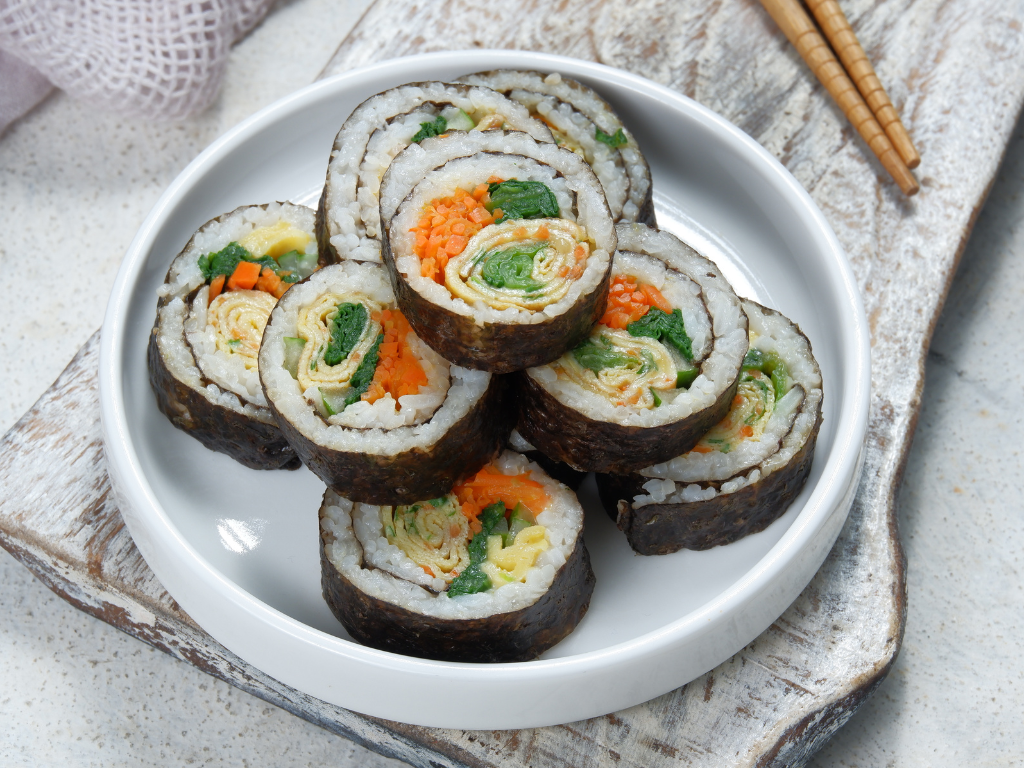
Seaweed for gimbap is gimbap gim, an unseasoned, thicker sheet
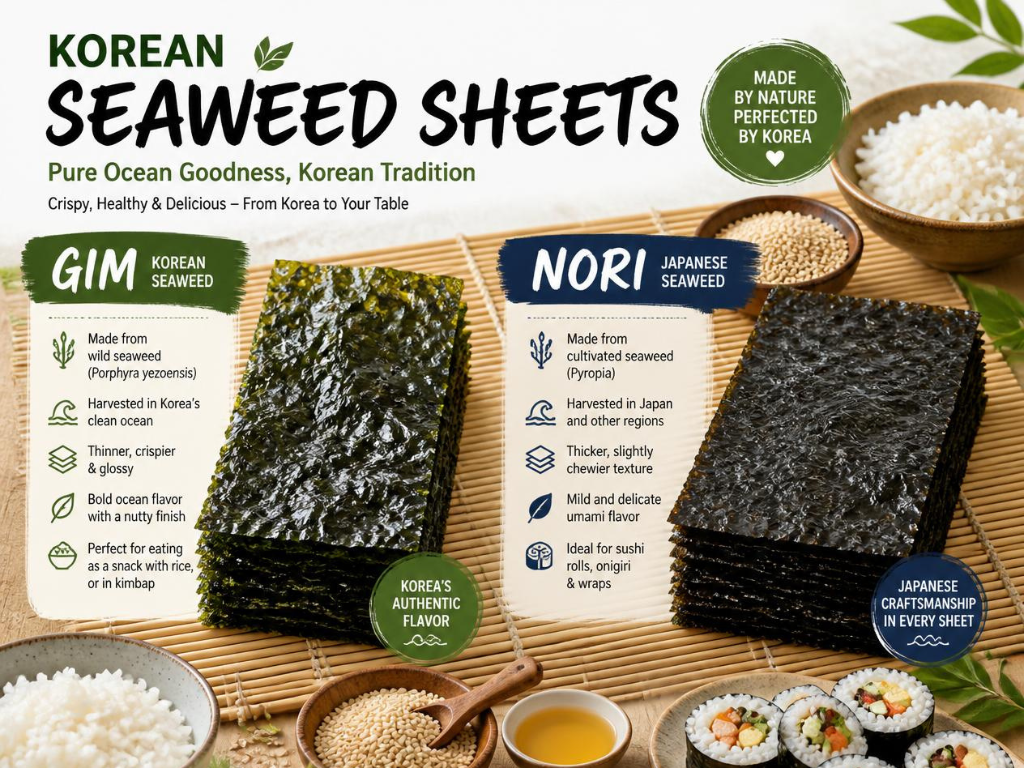
Korean seaweed sheets are gim, dried sheets of red algae