
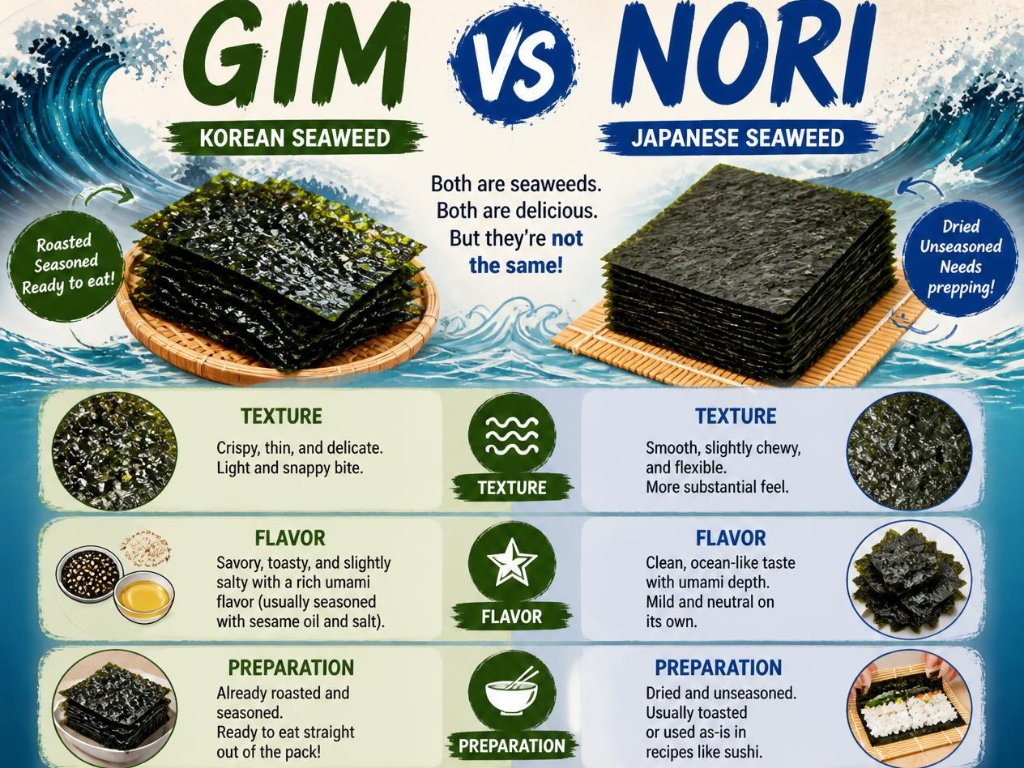
Gim vs nori is one seaweed: dried sheets of the
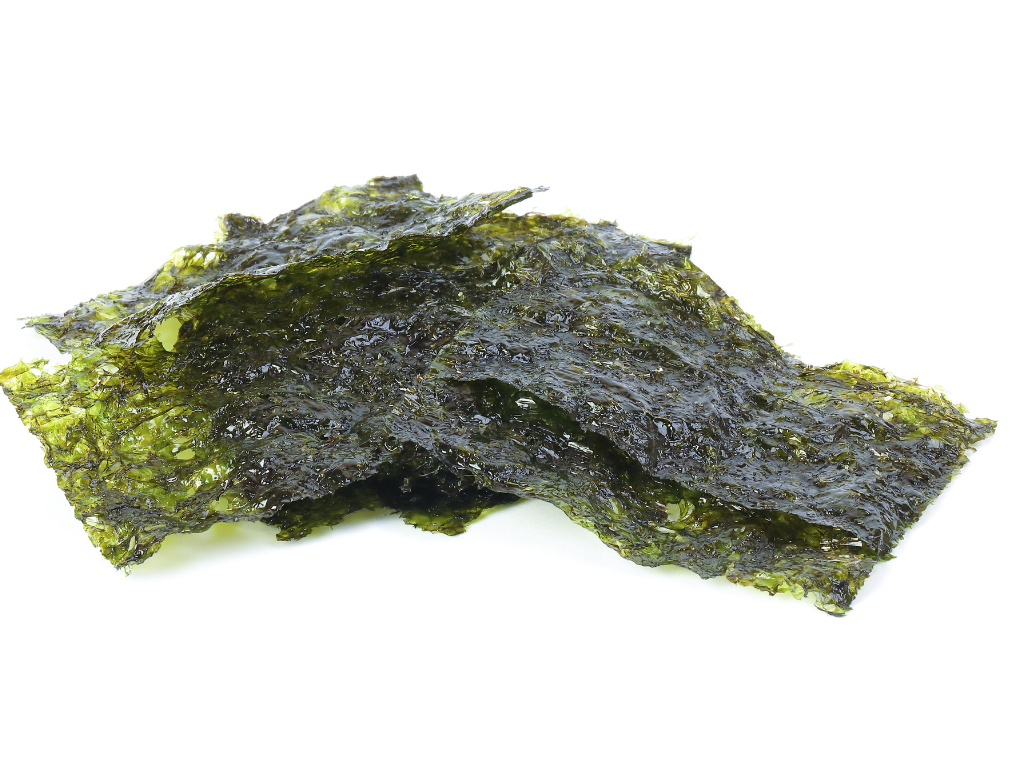
The benefits of dried seaweed come down to nutrient density: it packs iodine, calcium, magnesium, and fibre into a food with almost no calories. A single sheet of nori runs about 10 calories while carrying minerals most vegetables cannot match. This blog walks you through what dried seaweed actually delivers, and the honest per-serving numbers behind the claims, starting from our premium seaweed range.
What are the main benefits of dried seaweed?
Dried seaweed is one of the most nutrient-dense foods for its weight, delivering minerals, fibre, and iodine at a calorie cost close to zero. It is low in fat, suits vegan and gluten-free diets, and concentrates nutrients from seawater that land vegetables never encounter. Drying makes it shelf-stable for months while keeping that mineral load.
The value sits in the ratio. A 5 gram serving of dried seaweed weighs almost nothing yet contributes iodine for the thyroid, calcium and magnesium for bone and muscle, and fibre for digestion. Because it is potent, seaweed works as a supplement to a plate, a few grams doing the job of a much larger serving of greens. That density runs through every benefit below, and it is why portion size matters more here than with most foods.
What nutrients and minerals are in dried seaweed?
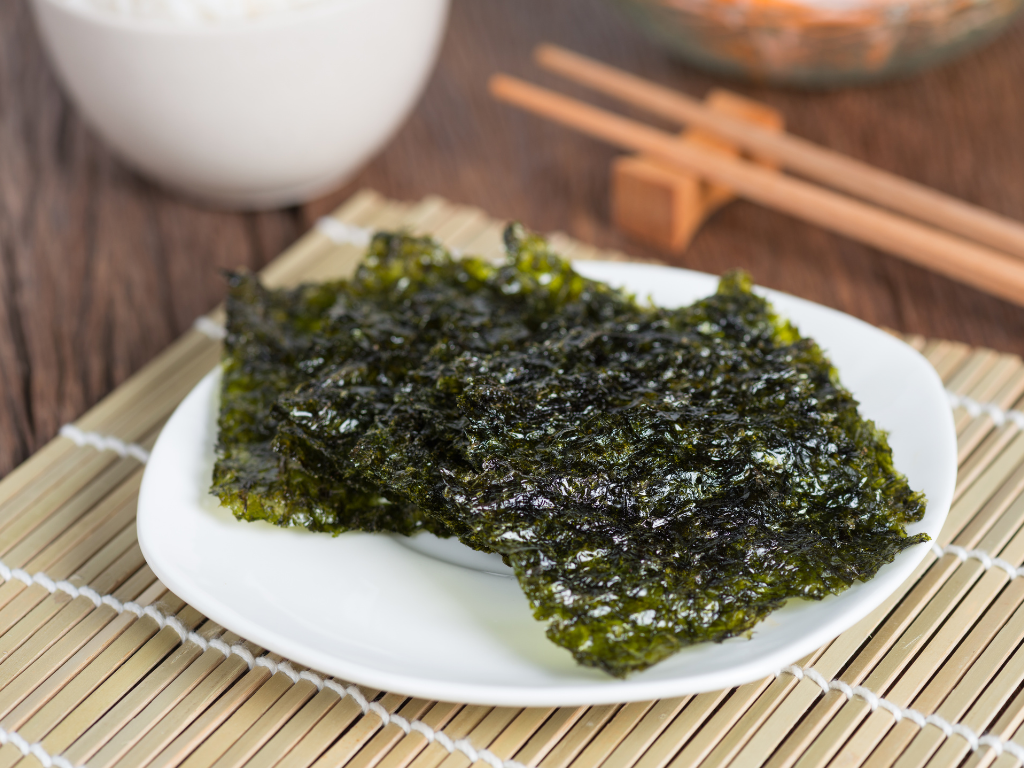
Dried seaweed is rich in iodine, calcium, magnesium, and iron, plus dietary fibre and a modest amount of protein. On a dry-weight basis the mineral figures are striking. A peer-reviewed analysis of dried Ulva seaweed measured calcium at 1,824 milligrams per 100 grams and dietary fibre at 28.4 percent, numbers that dwarf most land vegetables.
Those headline figures need context, and most benefit pages skip it. Per 100 grams looks enormous, but a real serving of dried seaweed is 3 to 5 grams, so you take in a fraction of that number in one sitting. Read honestly, seaweed is an efficient top-up of minerals, a role closer to a nutrient-dense seasoning than a calcium tablet. A daily few grams of nori or wakame adds meaningful iodine, useful calcium and magnesium, and a little fibre on top of a diet, which is exactly the job it should do. Carry that pairing of high density and small serving through the rest of this guide.
How much iodine is in dried seaweed, and is it safe?
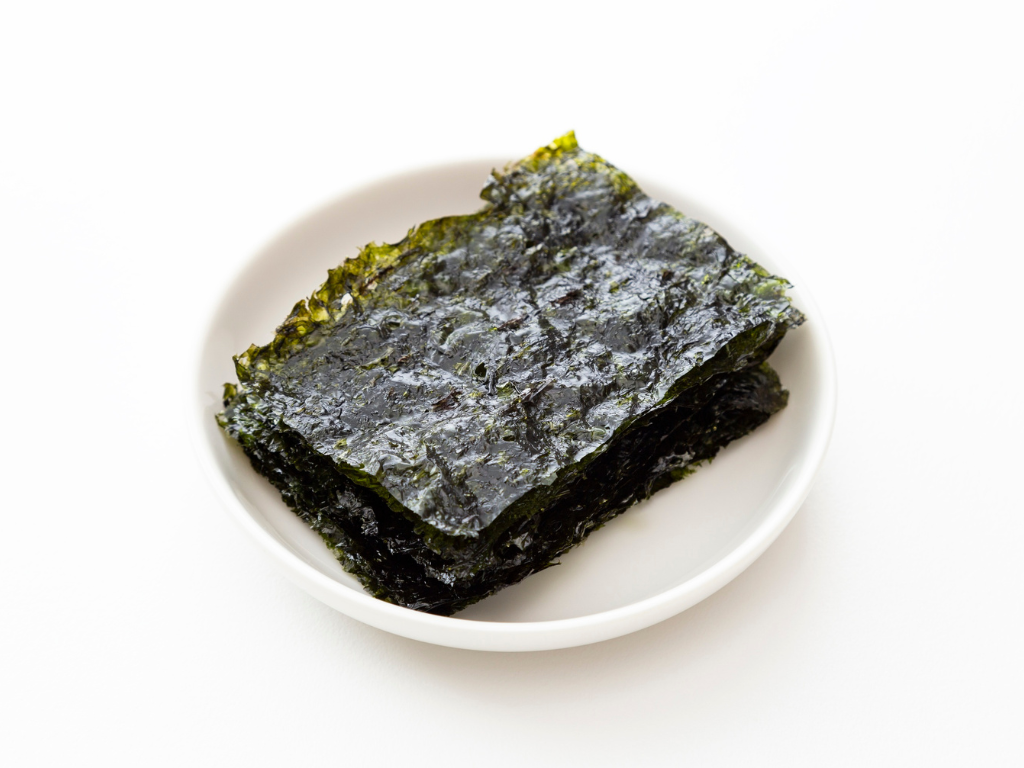
Iodine is dried seaweed’s signature nutrient, and the safe amount depends entirely on the species. The NIH Office of Dietary Supplements sets the adult requirement at 150 micrograms a day, rising to 220 in pregnancy and 290 in lactation, with a tolerable upper limit of 1,100 micrograms. Seaweed ranks among the foods richest in iodine, which is a benefit and a caution in the same breath.
Species is the deciding factor. Nori and wakame, the everyday seaweeds, sit at a moderate level where a serving or two a day keeps most adults comfortably inside the safe range. Kelp and kombu run far higher, high enough that a single heavy portion can exceed the daily upper limit. Harvard’s Nutrition Source notes that high iodine intakes are usually well tolerated in healthy people, a pattern seen across Japan and Korea where seaweed is a daily food. The practical stance: enjoy nori and wakame daily, keep kelp occasional, and anyone with a thyroid condition should track intake and ask a doctor.
Is dried seaweed a good source of fibre?
Dried seaweed is a strong fibre source, carrying soluble fibres that land vegetables do not. The peer-reviewed Ulva analysis put dietary fibre near 28 percent of dry weight, much of it the gel-forming soluble type that supports digestion and feeds gut bacteria. Seaweed fibre includes compounds like alginate and fucoidan that are specific to marine algae.
The everyday benefit holds even at a small serving. A few grams of dried seaweed will not hit a daily fibre target on its own, though it adds a fibre type most diets lack, alongside its minerals. That is the case for seaweed as a regular seasoning instead of an occasional novelty. Set against how seaweed measures up against everyday snacks, the fibre and mineral payload is what gives a seaweed snack an edge over an empty one.
How many calories and how much fat is in dried seaweed?
Dried seaweed is close to a free food on calories and fat, which is the core of its everyday appeal. A single sheet of roasted nori weighs about 3 grams and carries roughly 10 calories. Dried wakame comes in near 45 calories per 100 grams, and since a serving is only 5 to 10 grams rehydrated, a bowl’s worth adds only a handful of calories.
The fat number is just as low, with most dried seaweed under 1 gram of fat per 100 grams before any seasoning is added. This is why seaweed works as a snack swap and a soup base at once, delivering flavour and nutrition without the calorie load of fried alternatives. A pack of plain roasted seaweed snacks stays light enough that portion size is rarely the concern, which is a rare thing to say about a snack. The calories only climb once seasoning, oil, and salt enter the picture.
Do the minerals survive drying, or is fresh better?
Drying preserves the minerals, so dried seaweed is nutritionally comparable to fresh and often more practical. Minerals like iodine, calcium, and magnesium hold up through drying, which removes water while leaving the nutrient content. Dried seaweed is also more concentrated by weight and keeps for months, where fresh seaweed spoils in days.
What you trade is texture and some heat-sensitive vitamins, while the mineral backbone that drives the benefits stays intact. Rehydrated dried seaweed returns close to its original texture, which is why soups and salads use the dried form without a nutritional penalty. For an ingredient judged on its minerals and fibre, dried is the sensible default, and it is the form that lets a kitchen keep seaweed on hand year-round. The concentration is a feature: a small amount of dried seaweed carries the minerals of a much larger fresh portion.
How do you use raw dried seaweed in soups and cooking?
Raw dried seaweed is used by rehydrating it, where it swells and softens into soups, salads, and simmered dishes. A dried sheet or piece dropped into hot water or broth expands within minutes, releasing a savoury, mineral-rich note that forms the base of soups like miso and seaweed soup. The unroasted form is the cook’s ingredient, kept plain for the pot instead of the snack shelf.
This is where an unseasoned base earns its place. Our raw dried seaweed, the B06 at $2.30, is the plain sheet meant for cooking, so a kitchen controls the salt and seasoning of the finished dish. Rehydration also stretches the value, since a few grams of dried seaweed expand into a full serving in a bowl. For soups and everyday cooking, the raw sheet is the versatile choice, giving umami depth and minerals without any added oil or salt.
How much dried seaweed should you eat per day?
A serving or two of nori or wakame a day is a sensible amount for most adults, which is roughly 3 to 10 grams of dried seaweed. That intake supplies useful iodine, calcium, and fibre while staying well inside the 1,100 microgram iodine upper limit. The everyday seaweeds are self-limiting in the right direction because the servings are small.
The caution is specific. Kelp and kombu carry enough iodine that daily heavy use can push past the safe limit, so those belong in the occasional stock pot. Nori, wakame, and the roasted snack formats are the daily-friendly options. Anyone managing a thyroid condition, or leaning on high-iodine kelp, should track intake and speak to a doctor, the one group for whom seaweed’s iodine calls for care.
Conclusion
Dried seaweed earns its reputation on density: iodine, calcium, magnesium, and a marine fibre most diets miss, all in a food with almost no calories or fat. Read honestly, a 3 to 5 gram serving is a mineral top-up, and everyday nori and wakame sit safely inside the iodine limit while kelp calls for restraint. Dried keeps the minerals, stores for months, and rehydrates for soups.
If you are sourcing dried seaweed for a retail line or a foodservice kitchen and want the nutrition to hold up under scrutiny, ask Yoroshii for product specifications, certification documentation, and samples before you commit to a range.
Frequently asked questions
Is dried seaweed good for a vegan or plant-based diet?
Dried seaweed is one of the most useful foods on a plant-based diet, since it is among the few plant sources of iodine. Nori and wakame are vegan and gluten-free, supplying calcium, magnesium, and iodine that vegans who skip dairy and seafood often lack. A few grams a week helps fill the iodine gap.
Does dried seaweed have too much salt?
Plain dried seaweed like Yoroshii’s Raw Seaweed (B06) has very little sodium, since the salt arrives with seasoning. Seasoned snacks add salt as part of the recipe. For low-sodium cooking, the unroasted sheet lets you control the salt, keeping a soup or salad within the WHO guidance of under 2,000 mg sodium a day.
Is dried seaweed good for weight management?
Dried seaweed suits a calorie-controlled diet because it is very low in calories and fat while high in fibre and minerals. A sheet of nori is about 10 calories, and dried wakame near 45 calories per 100 grams, of which a serving is only a few grams. It adds flavour and nutrients without a heavy calorie load.
How long does dried seaweed keep?
Dried seaweed keeps for months when sealed, since its enemy is moisture. Nori and wakame absorb humidity fast and turn limp once exposed to air, so store them sealed in a cool, dry place and reseal after opening. Yoroshii packs its dried seaweed to hold texture and mineral content on the shelf.
Is dried seaweed safe to eat every day?
For nori and wakame, yes. Their moderate iodine means a daily serving or two stays within the 150 microgram target and well under the 1,100 microgram limit. The caution applies to kelp and kombu, far higher in iodine, and to anyone with a thyroid condition, who should track intake and consult a doctor.
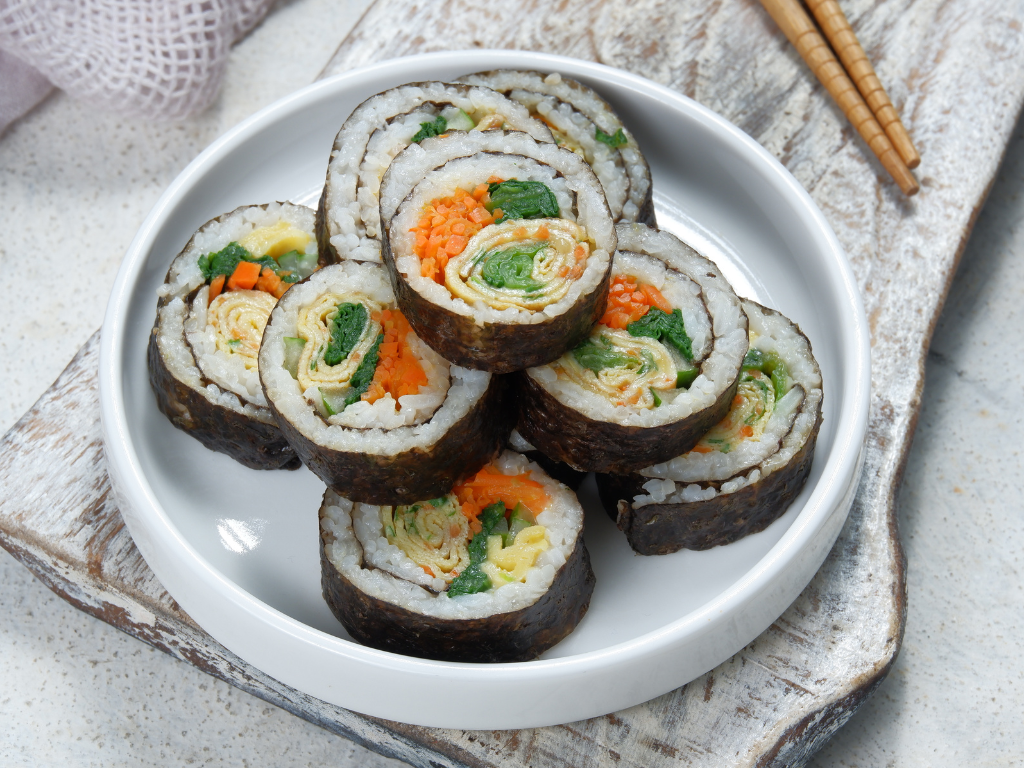
Seaweed for gimbap is gimbap gim, an unseasoned, thicker sheet
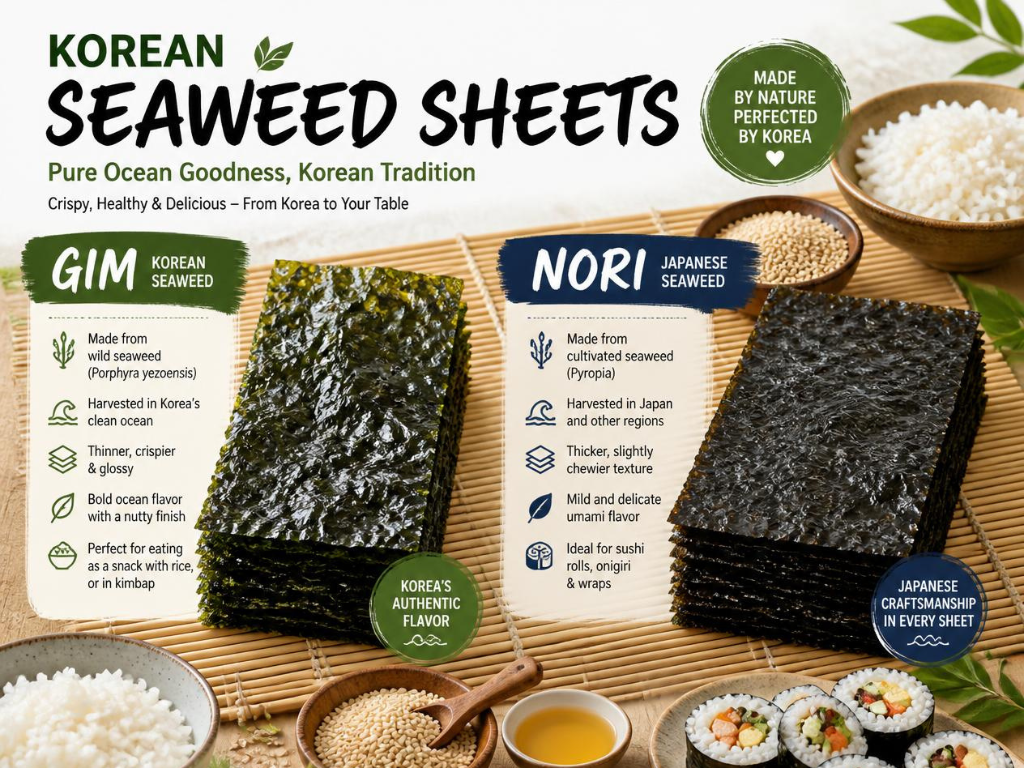
Korean seaweed sheets are gim, dried sheets of red algae