
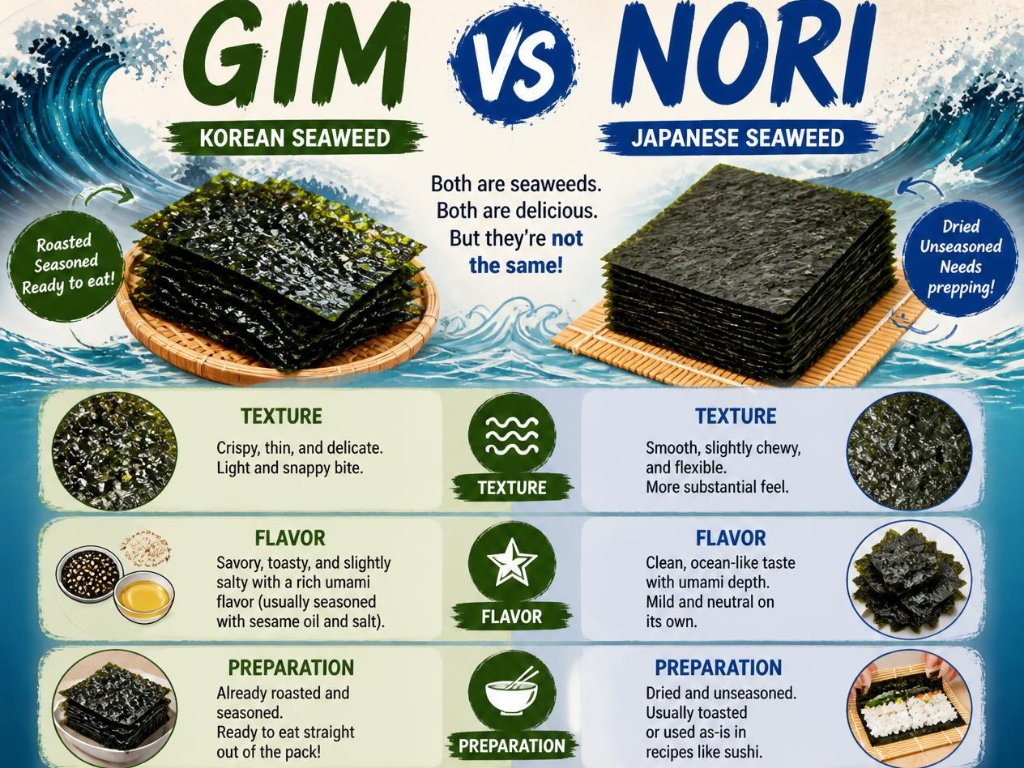
Gim vs nori is one seaweed: dried sheets of the
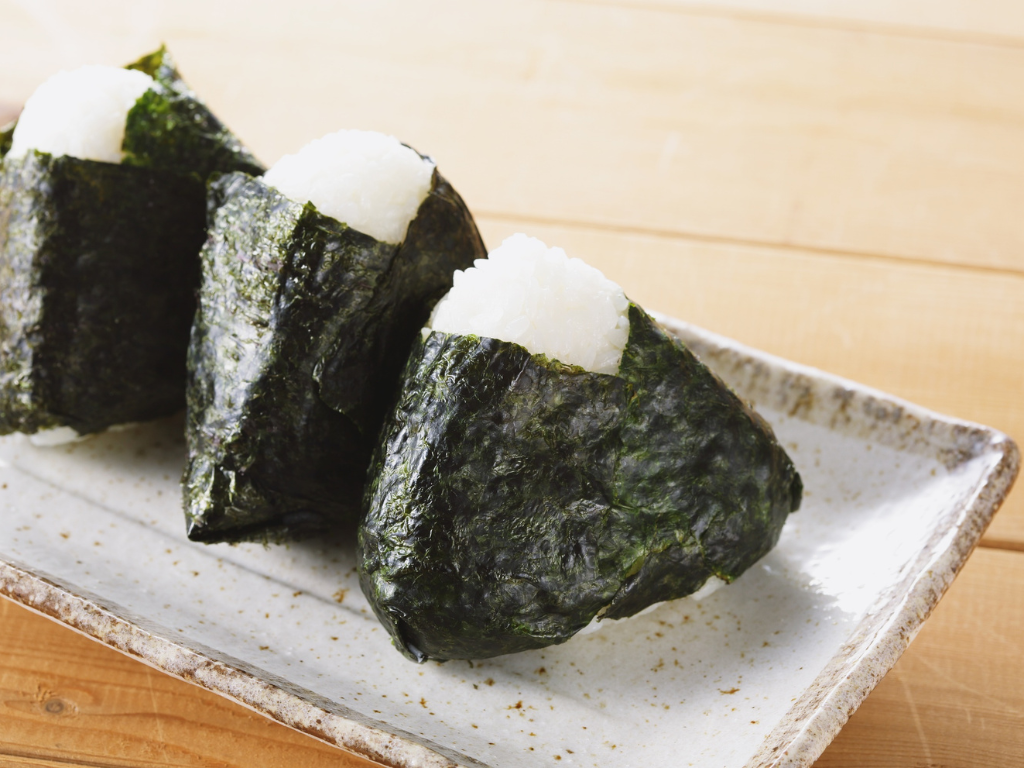
Seaweed for rice means nori in the form that suits the dish, a strip for onigiri, a sheet for temaki, a scatter of shreds for a rice bowl. The wrong format turns soggy or tears. This blog will walk you through choosing nori for onigiri, hand rolls, and rice bowls so the seaweed does its job.
Why the format of seaweed for rice matters
Nori and rice have a difficult relationship. The sheet is crisp because its moisture has been roasted out, and rice is warm and damp, so the moment the two meet the nori starts to soften. Every rice dish in Japanese cooking works around that single fact. The format you choose, a full sheet, a strip, or fine shreds, decides how long the seaweed stays crisp and how the finished plate holds together. Matching the cut to the dish is the whole skill, and the precision nori cuts Yoroshii supplies exist so a kitchen can pick the right one without trimming sheets by hand. There is a second reason format matters in a commercial setting. A cut that arrives the same size every time keeps prep fast and presentation consistent, which is why the convenience-store onigiri you buy looks identical every time. That repeatability comes from buying the correct format, not from skilled hands cutting under time pressure.
Choosing nori for onigiri
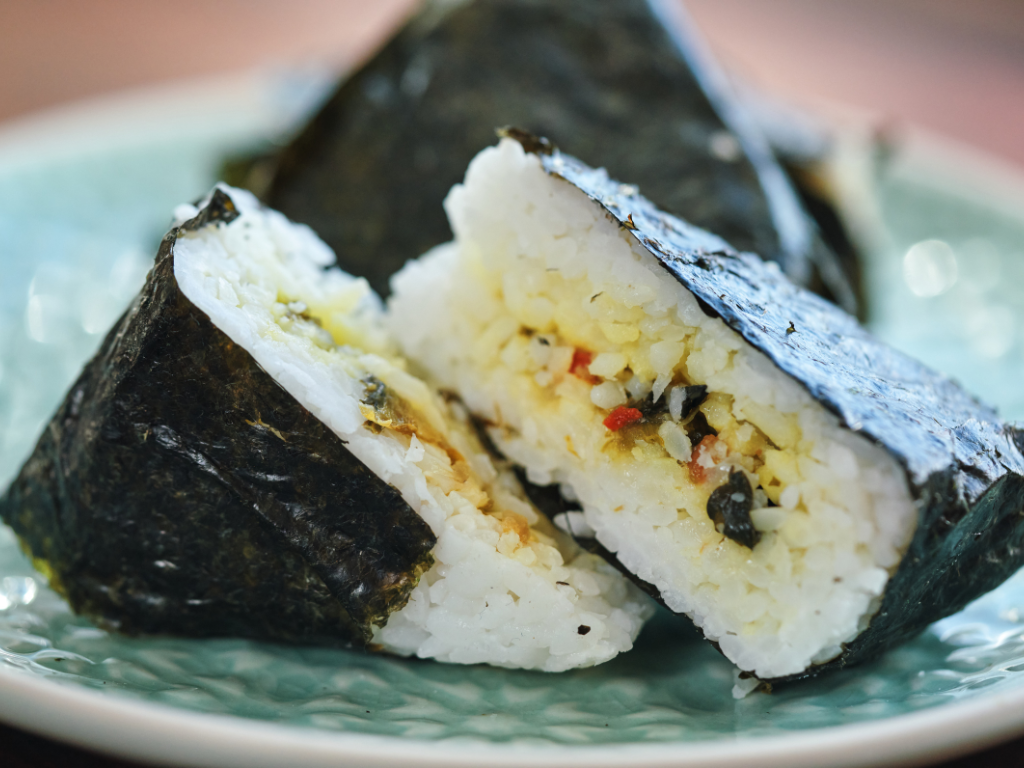
Onigiri is the dish where seaweed-and-rice timing matters most. A rice ball wrapped too early arrives with limp, chewy nori, so the goal is to keep the sheet crisp until the moment someone eats it.The strip approach
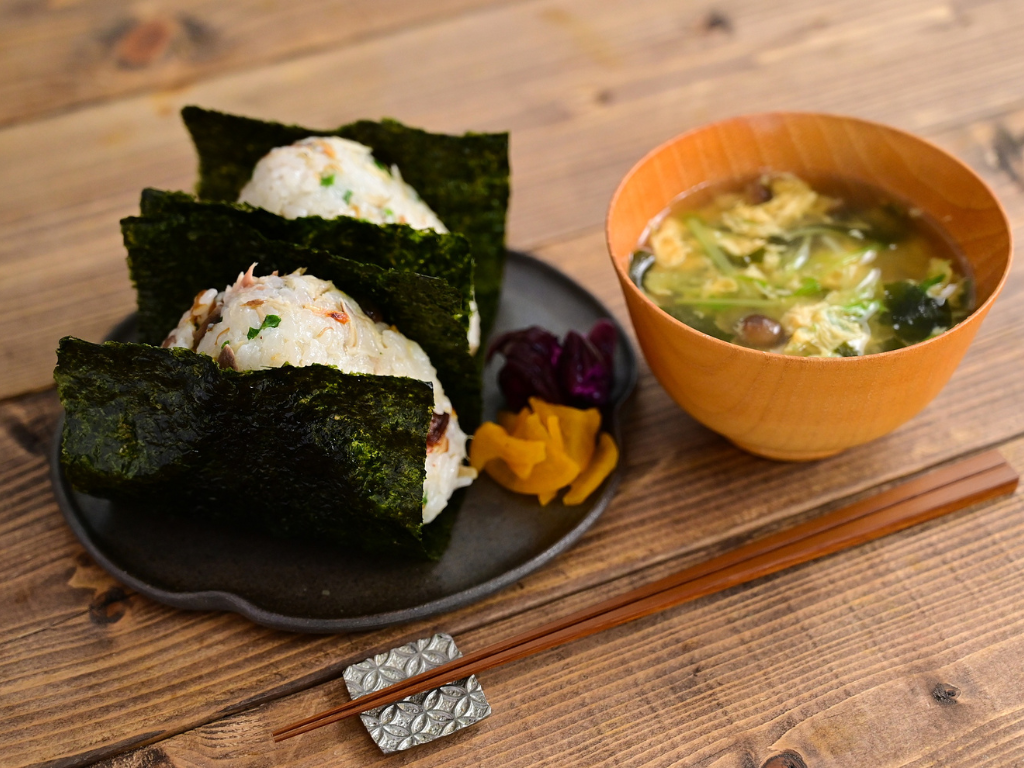
A narrow strip wrapped around the middle of a triangle is the classic street and lunchbox style. It gives a clean handhold, leaves most of the rice exposed, and uses less seaweed per piece. A 7-cut roasted seaweed strip is sized for exactly this, splitting a full sheet into seven bands that wrap a standard rice ball with no trimming. The strip stays crisper than a full wrap because less of its surface touches the rice.The full-wrap approach
The convenience-store style wraps the whole triangle, usually with clever folded packaging that keeps the nori sealed away from the rice until you pull a tab. In a kitchen without that packaging, a half sheet gives full coverage but needs to be wrapped to order. The choice comes down to whether you can serve immediately or need the onigiri to sit, and if it sits, keep the seaweed separate until service.
Choosing nori for temaki hand rolls
Temaki is a cone of nori filled with rice and other ingredients, rolled by hand and eaten right away. Because it is built and eaten in minutes, it tolerates a larger sheet than onigiri does. A full sheet makes a generous restaurant-size cone, while a half sheet suits a smaller, walk-up portion. The seaweed cut for Japanese dishes covers these builds, from temaki to sushi. The one rule that does not bend is timing. Temaki must be assembled at the table or to order, never in advance, because the cone goes soft within minutes of meeting the warm rice. This is why temaki is often served as a do-it-yourself spread, with crisp sheets, rice, and fillings laid out for diners to roll their own. A hand roll made ten minutes early is a different, lesser thing.Choosing seaweed for rice bowls
Rice bowls, donburi in Japanese, use seaweed as a garnish rather than a wrapper, and here the format shifts from sheet to shred.Kizami nori, the shredded garnish
Kizami nori is nori sliced into fine threads, and it is the default seaweed for a rice bowl. Scattered over the top, it adds texture and a clean sea flavour without the bulk of a sheet. Shredded kizami nori goes onto donburi, poke bowls, soba, and salads in seconds with no knife work. The threads stay crisp for a few minutes before softening into the dish, which is the texture contrast you want on a warm bowl. For a worked example, this rice bowl with a seaweed topping shows kizami over rice and a fried egg in a five-minute build.Small pieces and flakes
When you want a finer accent than shreds, a small square of roasted seaweed works as a deliberate garnish on a canapé-style bite or a bowl of bibimbap. The smallest standard format, the 20-cut piece, divides a full sheet into roughly twenty pieces, so one sheet stretches across many bowls and keeps the finishing cost per plate low. The full premium seaweed range carries these smaller cuts alongside sheets and shreds, which lets a single kitchen finish rice dishes and wrap them from one supplier.Matching cut to rice dish at a glance
The logic across these dishes is consistent: bigger formats wrap, smaller formats finish.| Rice dish | Best seaweed format | Why |
| Onigiri rice ball | 7-cut strip or half sheet | Strip keeps crispness; half sheet for full coverage |
| Temaki hand roll | Full or half sheet | Holds a cone; rolled to order |
| Donburi or poke bowl | Kizami shreds | Texture garnish, no bulk |
| Bibimbap or canapé bite | 20-cut piece | Fine accent, stretches across servings |
Why sourcing affects the rice on the plate
Seaweed for rice is only as good as its crispness on arrival, and crispness depends on the supplier as much as the cook. Nori absorbs humidity fast, so packaging that seals well and includes a desiccant sachet is what keeps a sheet snappy from factory to kitchen. In a humid climate like Singapore’s, that seal is the difference between a usable case and a wasted one. Consistency is the other half. A strip or shred that drifts in size or toasting between deliveries throws off every onigiri and every garnish built on it. This is where supplier standards matter. A manufacturer working under ISO 22000 food safety management, with HACCP and GMP behind it, gives documented consistency rather than a promise, and for many Southeast Asian buyers JAKIM Halal certification is non-negotiable. Yoroshii, the flagship brand of Singapore’s VGE Pte Limited, has supplied sushi bars and retailers since 1993 and manufactures through its Malaysian subsidiary Front Option under those standards. The nutrition is a quiet bonus on a rice plate. Nori adds iodine, calcium, and other minerals, and it is one of the richest natural food sources of iodine, according to the NIH Office of Dietary Supplements. With most of the world’s edible algae farmed in Asia, per the FAO’s 2024 fisheries and aquaculture report, a Southeast Asian kitchen sourcing from an Asia-based certified supplier also keeps the supply chain short.Conclusion
Seaweed for rice is a matching exercise. A 7-cut strip or half sheet for onigiri, a full or half sheet for temaki rolled to order, and kizami shreds or 20-cut pieces to finish a rice bowl will cover almost any rice dish while keeping the nori crisp where it counts. The format does the work, and consistent, well-sealed cuts make that work repeatable. If you run a sushi bar, a bento kitchen, or a retail rice-meal line, request samples of Yoroshii’s nori cuts and kizami and test each format against your own rice dishes before you commit to a wholesale order.Frequently asked questions
What seaweed is used for onigiri?
Onigiri usually uses a strip of roasted nori, often a 7-cut band, wrapped around the middle of the rice ball. The strip gives a handhold and keeps most of the rice exposed. A half sheet works for full coverage. Strips stay crisper than a full wrap because less seaweed touches the warm rice.What is kizami nori used for?
Kizami nori is shredded nori scattered over rice bowls, donburi, poke, soba, and salads. It adds texture and a clean sea flavour without the bulk of a sheet. Add it at the last moment, because the fine threads soften quickly once they touch warm rice or any moisture.How do you keep nori crisp on rice?
Keep the seaweed separate from warm rice until serving, since nori absorbs moisture fast and softens within minutes. Store sheets and kizami sealed with a desiccant sachet, and assemble onigiri or temaki to order. Convenience-store onigiri uses folded packaging to hold the nori dry until opening.What is the difference between onigiri nori and sushi nori?
Both are roasted nori sheets. Onigiri often uses a smaller strip or half sheet for wrapping a rice ball, while sushi uses full or half sheets sized to the roll. The seaweed is the same product, cut to a different format depending on whether it wraps a ball or a roll.Is seaweed on rice healthy?
Yes. Nori adds iodine, calcium, and other minerals to a rice dish for very few calories, and it is vegan and gluten-free in its pure roasted form. A scatter of kizami or a strip on onigiri is a low-calorie way to add flavour, texture, and nutrients to plain rice.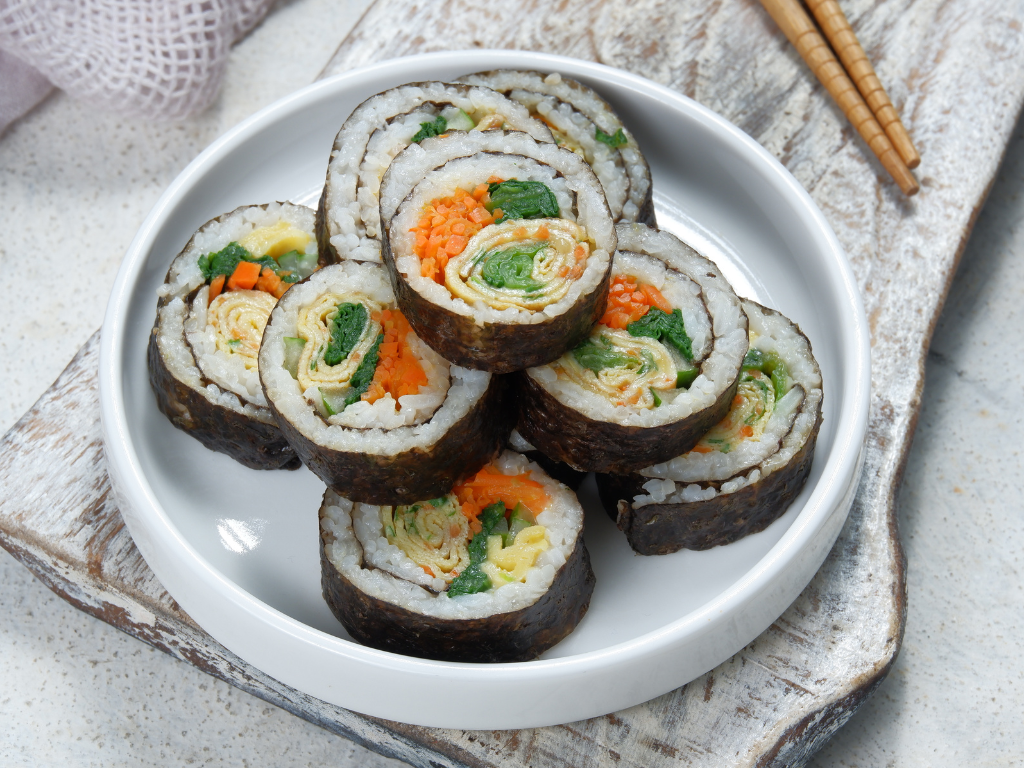
Seaweed for gimbap is gimbap gim, an unseasoned, thicker sheet
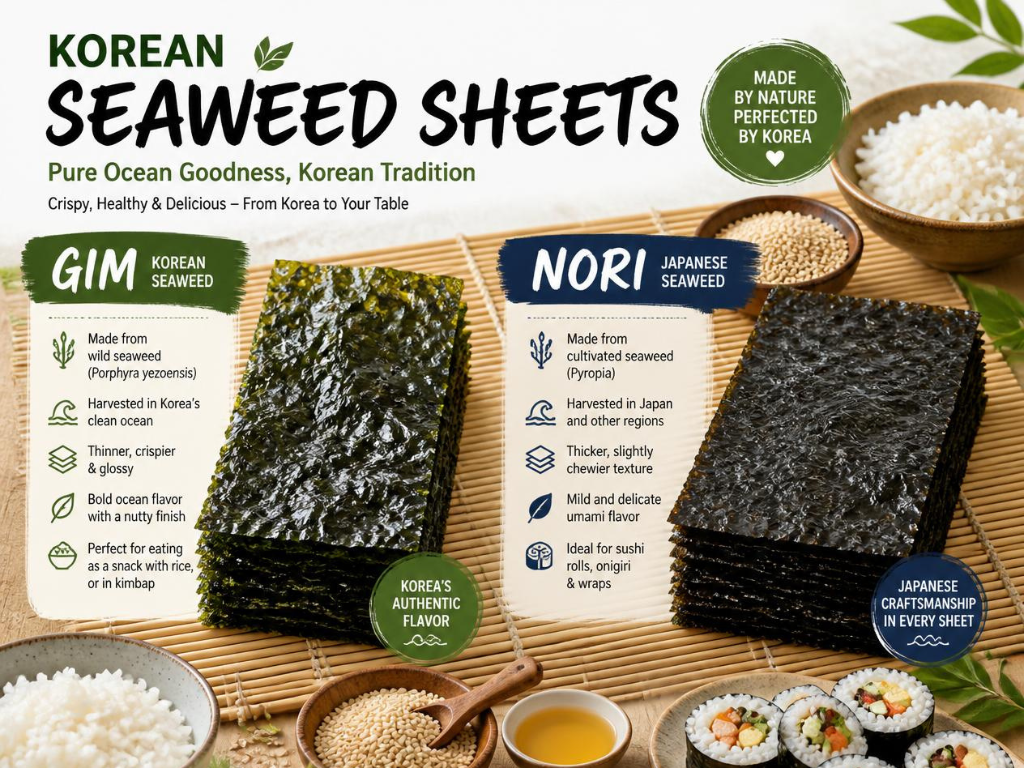
Korean seaweed sheets are gim, dried sheets of red algae