
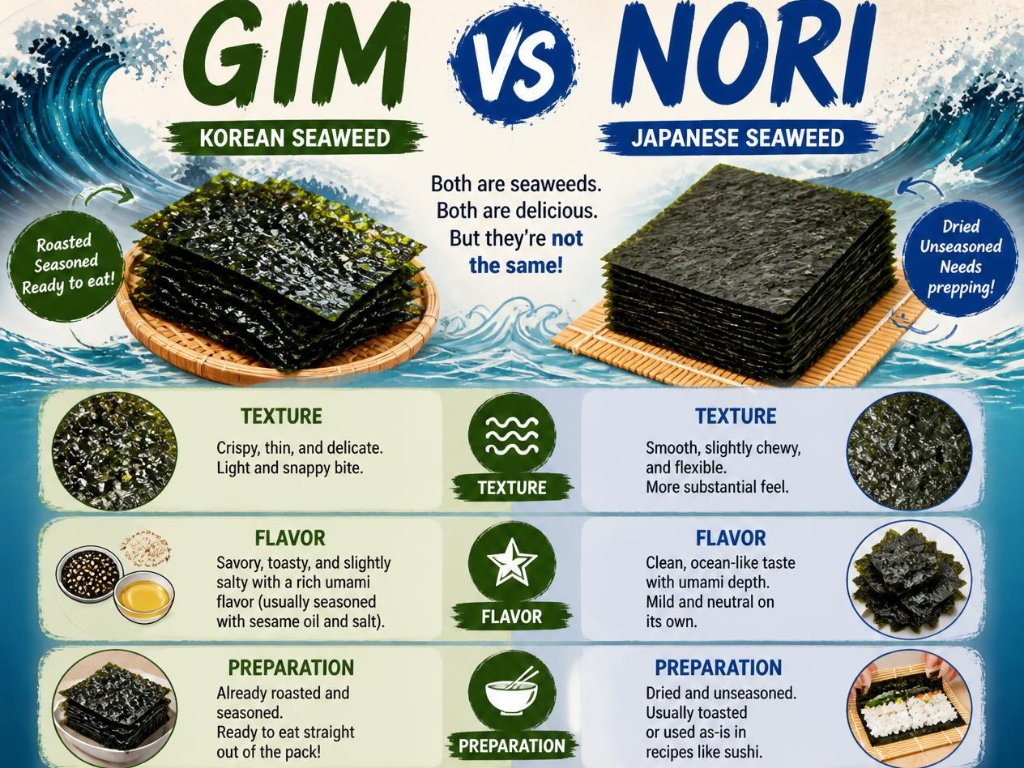
Gim vs nori is one seaweed: dried sheets of the
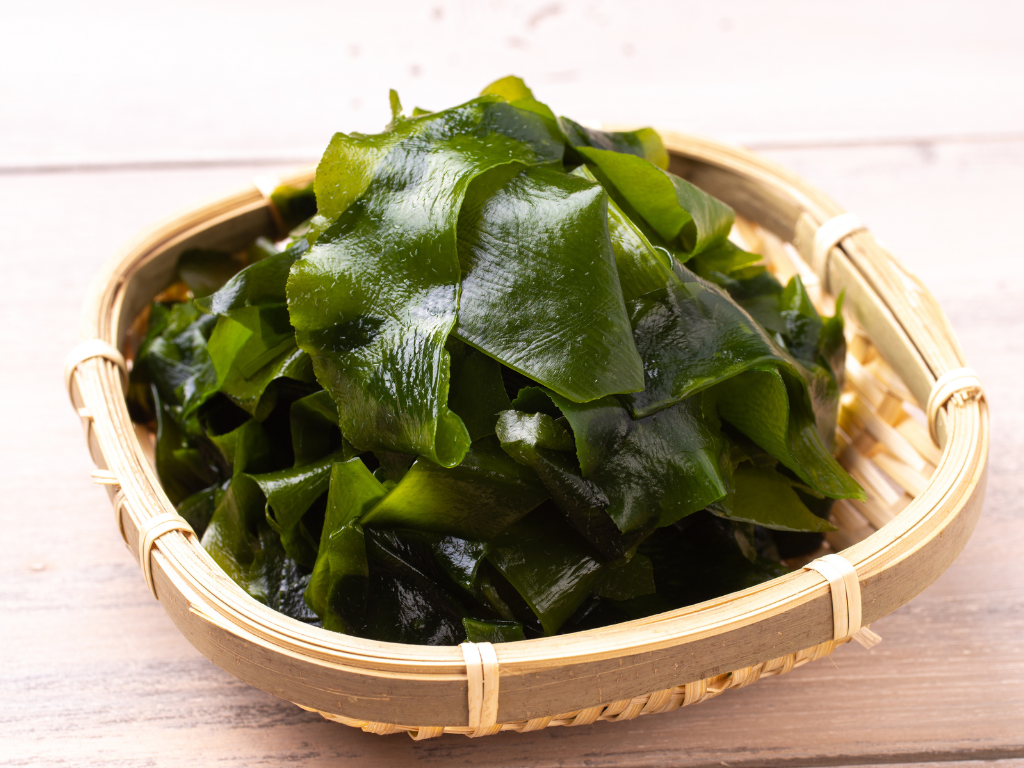
Is seaweed healthy? It’s a fair question for a food that has gone from a sushi wrapper most people ignored to a snack aisle worth 2.43 billion US dollars in 2024. The short answer: yes, mostly, with two things to keep an eye on, iodine and salt. This blog walks you through the nutrition behind seaweed snacks and ingredients, starting from the premium seaweed range we have supplied since 1993.
Is seaweed actually healthy, or just hype?
Yes, for most people, and the nutrition does the convincing rather than the marketing. A single sheet of roasted nori gives you fibre, iodine, calcium, iron, and a little vitamin B12 for about ten calories. Not many snacks can say that.
The place most advice falls down is treating seaweed as one ingredient. Nori, the red laver behind sushi and the sheets in most snack packs, is a different animal from kelp once you look at the numbers. Treat them as interchangeable and you get both the overblown health claims and the overblown scare stories. What’s true depends on which seaweed is on your plate and what happened to it before it got there.
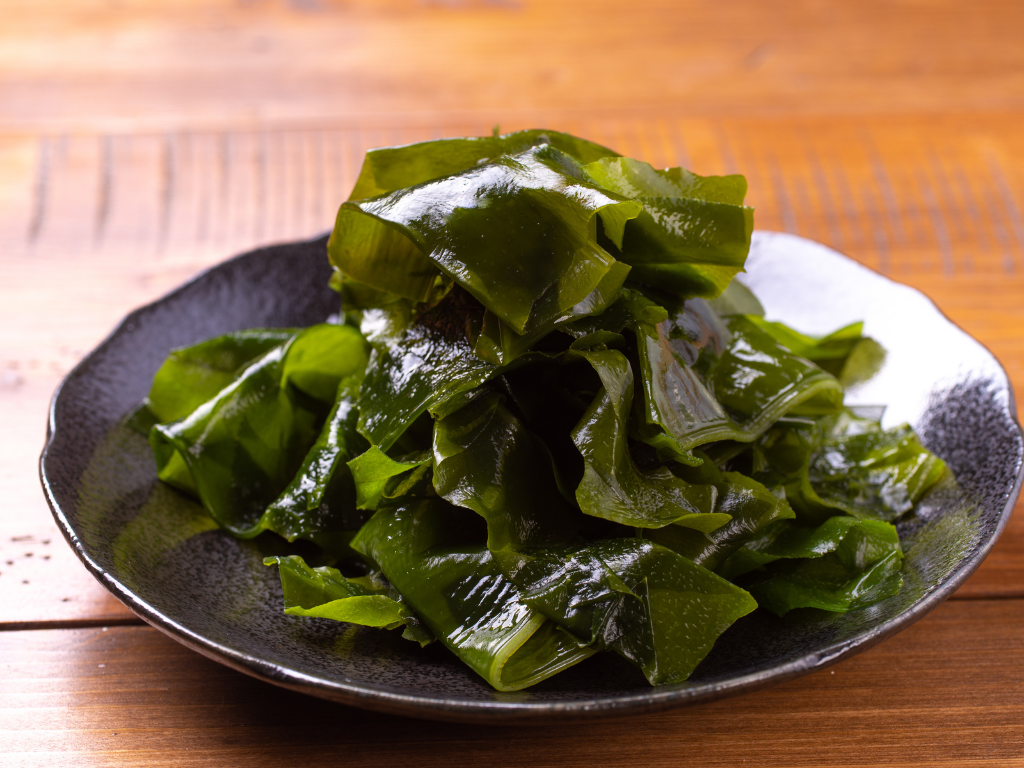
What’s in seaweed? The nutrition facts that matter
The short version is low calories and a heavy mineral load. A standard sheet of roasted nori weighs about 3 grams and carries roughly 10 calories, while still handing over fibre, protein, and a mineral spread most vegetables can’t match. Nori is around a third protein by dry weight, and it brings iodine, calcium, iron, magnesium, and some vitamin B12.
What separates seaweed from a land vegetable is where it grows. It draws minerals straight out of seawater, so it carries iodine and trace elements at levels you will never get from spinach. That same habit is the reason iodine needs its own section in a moment. For a snack, the case is easy: real nutrition, with a calorie count low enough that portion size rarely comes up. If you want to see how that looks in a finished product, our breakdown of what goes into a roasted snack shows where the seasoning sits next to the seaweed.
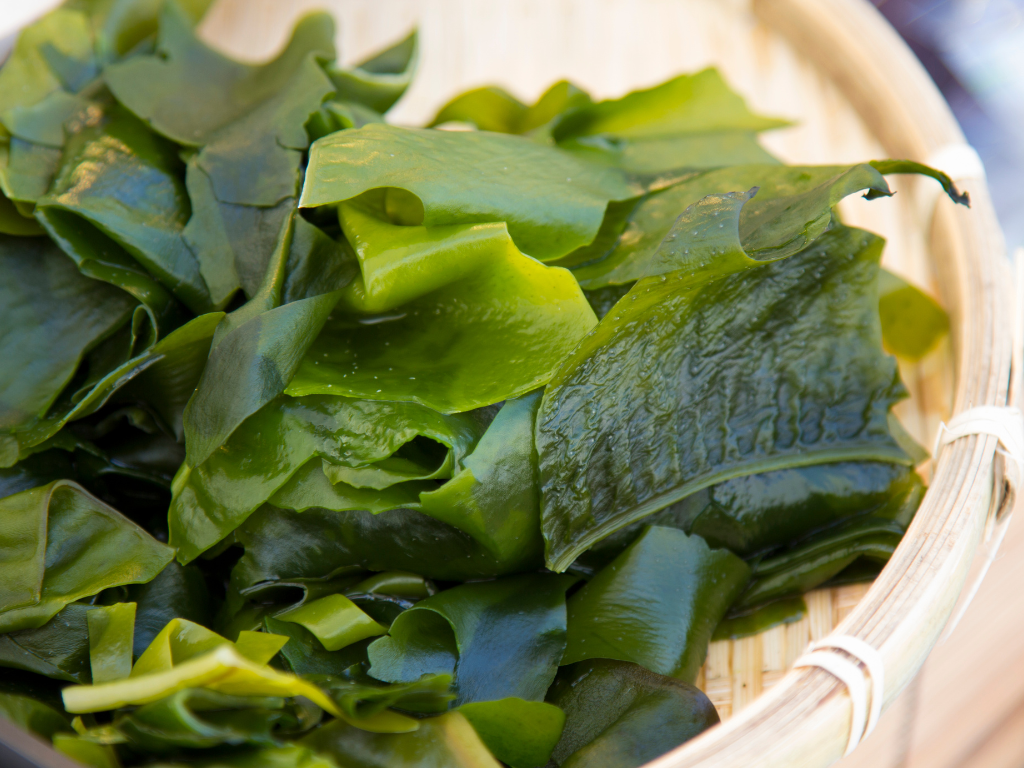
How much iodine is in seaweed, and is that a problem?
Iodine is the number that matters most here. Your thyroid needs it, your body can’t make it, so it has to come from food. The NIH Office of Dietary Supplements puts the adult target at 150 micrograms a day, higher in pregnancy and breastfeeding, with a ceiling of 1,100 micrograms for adults. The NIH calls seaweed “one of the best food sources of iodine”. That praise has a sting in the tail, because the best source is also the easiest to overdo.
Why nori is not the same as kelp
This is the part that clears up most of the confusion. Iodine content across seaweeds is not a tidy range, it is a chasm. A 2004 study in the journal Thyroid measured about 16 micrograms per gram in nori against figures above 8,000 in kelp, and the USDA, FDA, and ODS-NIH iodine database, 2024 release, reports a commercial spread of 16 to 2,984 micrograms per gram. Nori sits at the gentle end. Kelp and kombu sit where one serving can sail past the daily ceiling several times over. So if your seaweed habit runs to nori snacks and sushi, the iodine warnings written about kelp supplements simply do not describe your plate.
How much seaweed is safe to eat in a day?
With nori, a normal appetite keeps you out of trouble by itself. Published analyses put the iodine in a typical run of sushi well under the daily limit, so a few sheets or a snack pack a day leaves most adults comfortably inside the safe range. Harvard’s Nutrition Source notes that high iodine intakes are “usually well-tolerated in most healthy people”, which is exactly what you see in Japan and Korea, where seaweed shows up at most meals. The exceptions are real and specific. Anyone with thyroid disease, and anyone leaning on kelp or kombu rather than nori, should track the amount and ask a doctor. Pregnancy is the flip side, one case where the iodine in seaweed counts in your favour.
Are seaweed snacks actually good for you, or just a better-marketed chip?
Seaweed snacks are a real upgrade on fried snacks, and the numbers carry the argument. A 5 gram pack of seasoned roasted seaweed usually lands under 30 calories, brings fibre and minerals a crisp cannot, and skips the frying oil. The growth of the category follows that substance, not the novelty. Grand View Research put the global seaweed snacks market at 2.43 billion US dollars in 2024, with Asia-Pacific taking 50.6 percent of revenue and strips and chips the largest slice of the product mix. Our side-by-side on how seaweed stacks up against crisps lays the calorie and fibre gap out plainly.
What about the sodium in seasoned seaweed snacks?
Salt is the one figure to watch. Plain roasted nori has almost none. Seasoned gim and flavoured snacks add oil and salt as part of what they are, and the amount swings with the seasoning. The pack is small, so the total sodium stays modest, yet a heavily salted version eaten by the fistful climbs faster than the pack size lets on. For something you eat most days, a lightly seasoned or plain sheet is the smarter buy, and the label tells you more than the health badge on the front. A seasoned snack range built from pure roasted seaweed keeps the ingredient list short, which makes the salt easy to read off the back.
Is seaweed good for vegan and plant-based diets?
This is where seaweed quietly earns its keep, and again the reason is iodine. Drop dairy, eggs, and seafood and you lose the usual dietary iodine sources, and seaweed is one of the few plant foods that fills the gap. Pure nori and gim are vegan and gluten-free, with nothing animal-derived in the roasted sheet. Nori carries some vitamin B12 activity too, though how much your body actually absorbs is still argued over, so treat it as a contributor and not your only source. For a plant-based eater, a few sheets of nori a week is a practical iodine top-up that skips the supplement, as long as the rest of the diet is not already heavy on it.
Does the quality of the seaweed affect how healthy it is?
With seaweed, quality is a safety question as much as a taste one. The plant soaks up whatever sits in its water, minerals and heavy metals alike, so it can pick up arsenic or cadmium alongside the good stuff. That is where sourcing stops being a marketing line and becomes a health one. Seaweed made under audited food safety systems gets tested and controlled for those contaminants. Anonymous bulk product does not, and you have no way to tell.
So there is a plain reason to buy certified over cheapest. We manufacture through our Malaysian subsidiary Front Option under ISO 22000, HACCP, GMP, and JAKIM Halal certification, all listed on our About page. Those systems cover contaminant testing, traceability, and keeping each batch the same as the last, which is what turns a healthy ingredient into a product you can rely on without crossing your fingers.
Conclusion
Seaweed is a healthy food, with one sensible caveat. Nori-based snacks and ingredients sit in the safe, nutrient-dense zone, while kelp asks for more restraint on iodine. Low calories, real minerals, and a rare plant-based source of iodine put it among the few snack ingredients that earn the health label, as long as you keep an eye on salt in seasoned packs and buy from a source that controls for contaminants.
If you are sourcing seaweed for a retail line or a foodservice menu and need the nutrition claims to hold up under scrutiny, ask us for product specs, certification documents, and samples before you commit to a range.
Frequently asked questions
Is seaweed good for weight loss?
It fits a calorie-controlled diet well, since it is low in calories and high in fibre. A 5 gram seasoned snack pack usually comes in under 30 calories, and the fibre helps with fullness. It makes a sensible swap for fried snacks, though no single food does the work of weight loss on its own.
Can I eat seaweed every day?
For most people, yes, especially with nori. Its moderate iodine, around 16 micrograms per gram, means daily sheets or a snack pack stay within the 150 microgram target. The caution is for kelp and kombu, which run far higher, and for anyone with a thyroid condition.
How much protein is in seaweed?
Nori is protein-dense for a vegetable, roughly a third protein by dry weight, but a single 3 gram sheet still gives you only about a gram. Treat seaweed as a source of minerals and iodine rather than a protein food, since the portions are small.
Why does seaweed taste savoury?
Because it is full of glutamate, the compound behind umami. Kombu’s glutamate is the backbone of Japanese dashi stock, and nori carries umami compounds of its own. That natural savouriness is why a pinch of roasted seaweed powder or a sheet of nori deepens the flavour of rice and broth.
Which seaweed is the healthiest?
For everyday eating, nori and Korean gim are the safest healthy pick, balancing minerals with moderate iodine near 16 micrograms per gram. Kelp and kombu pack more punch but carry enough iodine to blow past the 1,100 microgram daily limit in a single serving, so save them for the stockpot.
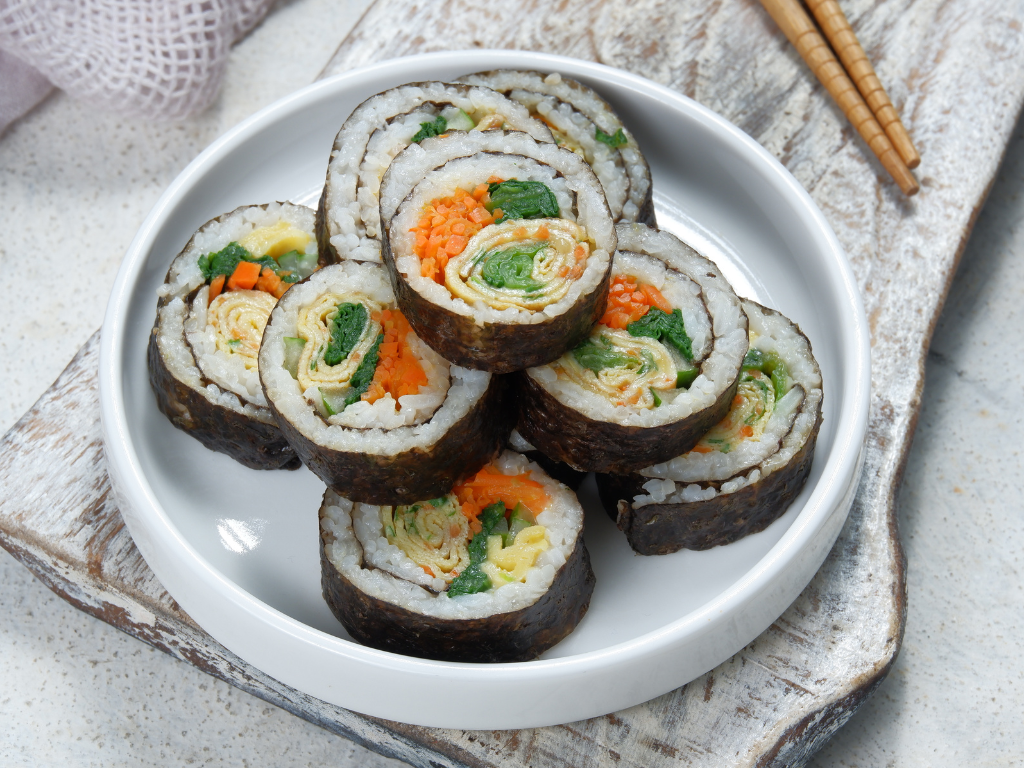
Seaweed for gimbap is gimbap gim, an unseasoned, thicker sheet
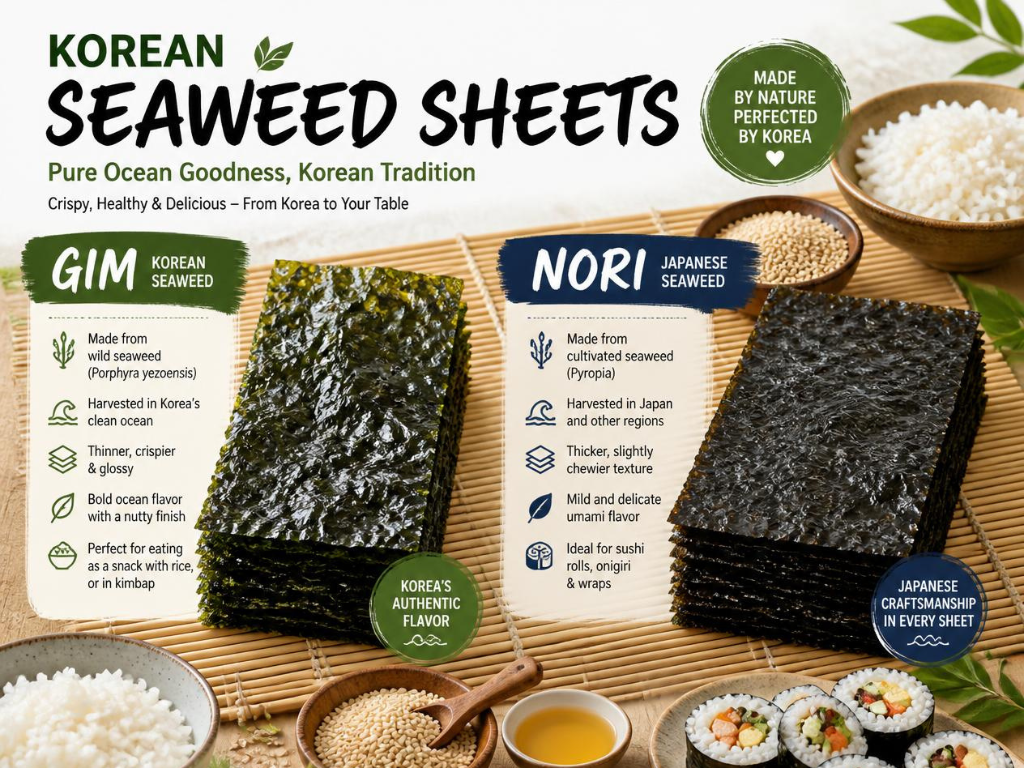
Korean seaweed sheets are gim, dried sheets of red algae