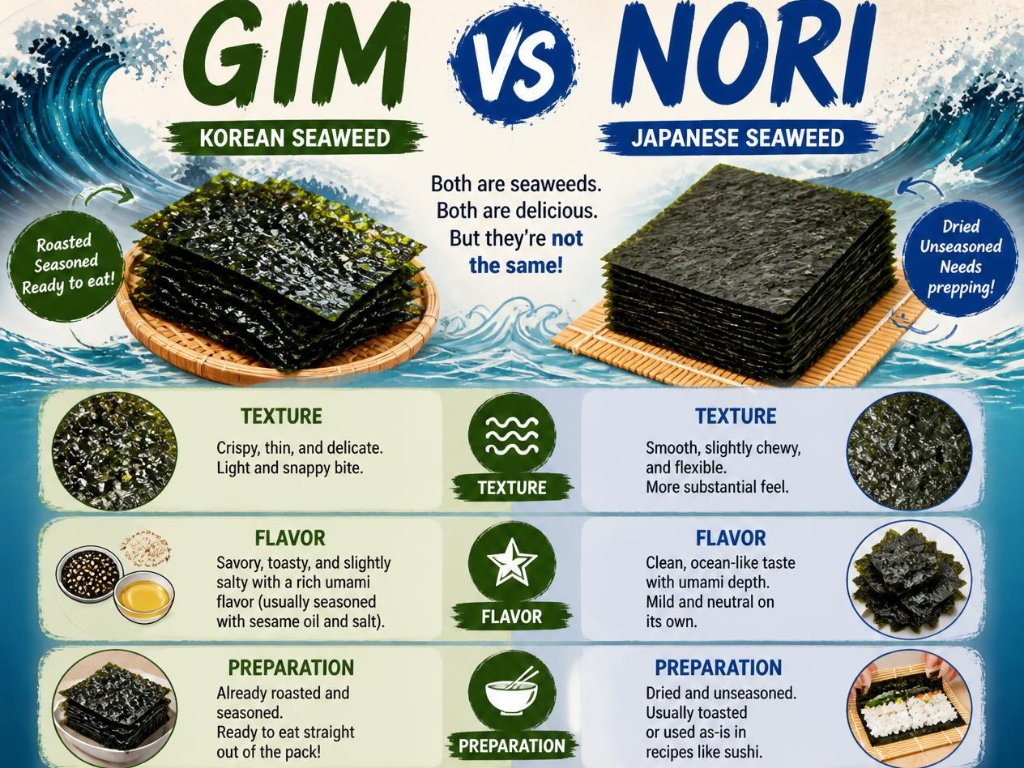
Gim vs nori is one seaweed: dried sheets of the
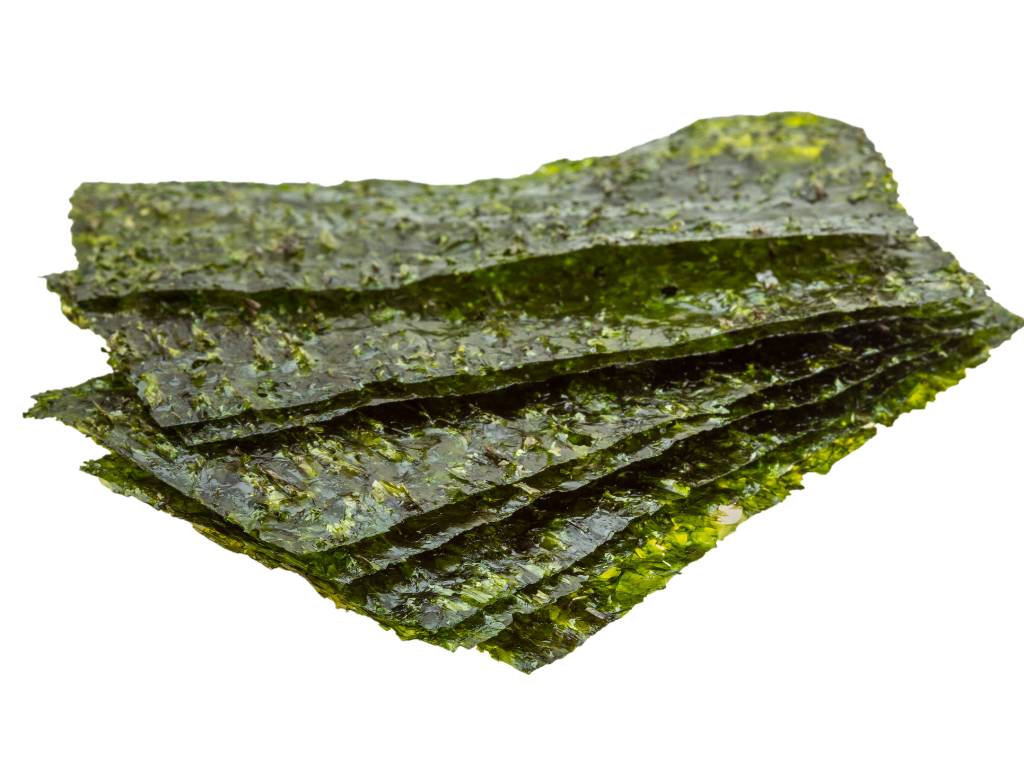
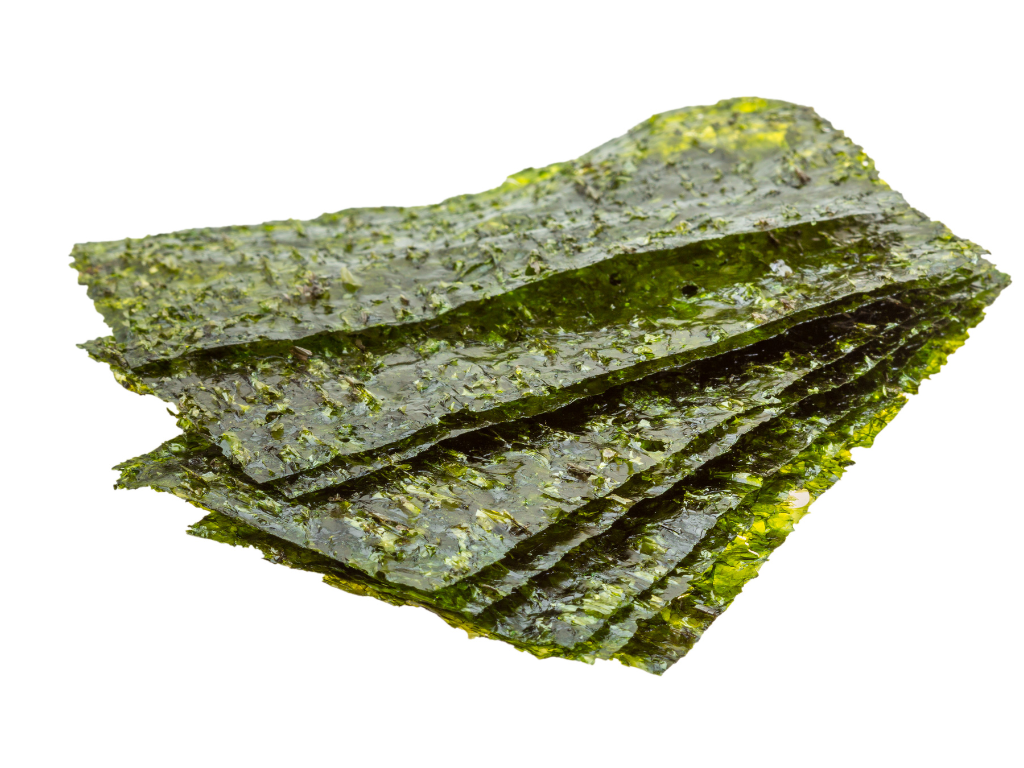
Nori seaweed is the dried, pressed sheet of red algae (genus Pyropia), wrapped around sushi and onigiri, graded by color, sheen, and thickness into tiers that set its price and use. Farmed seaweed output has more than tripled since 2000, past 37 million tonnes by FAO’s count. This blog walks you through nori’s types, grades, and how it reaches a foodservice kitchen. For finished formats, see our precision-cut nori range.
What is nori seaweed actually made from?
Nori is made from red algae in the genus Pyropia, chiefly Pyropia yezoensis, Pyropia tenera, and Pyropia haitanensis. The plants were classed under Porphyra for almost two centuries until a 2011 revision of the Bangiales, based on nuclear and chloroplast gene sequencing, moved the commercially farmed species into Pyropia and left only a handful in Porphyra (documented in this Bangiales genomic study). Both names still appear on packaging and supplier spec sheets, which is why the same sheet gets labelled two ways.
The alga grows as a thin, folded blade one cell layer thick, which is what lets a finished sheet dissolve on the tongue rather than sit like a leaf. Its savoury pull comes from free glutamate, the compound behind umami, concentrated further when the sheet is roasted. Nori sold in Singapore and across Southeast Asia is almost always this pressed-sheet form, distinct from kelp (kombu) or the green flake seaweed used as a finishing garnish.
What are the main types of nori sold to kitchens?
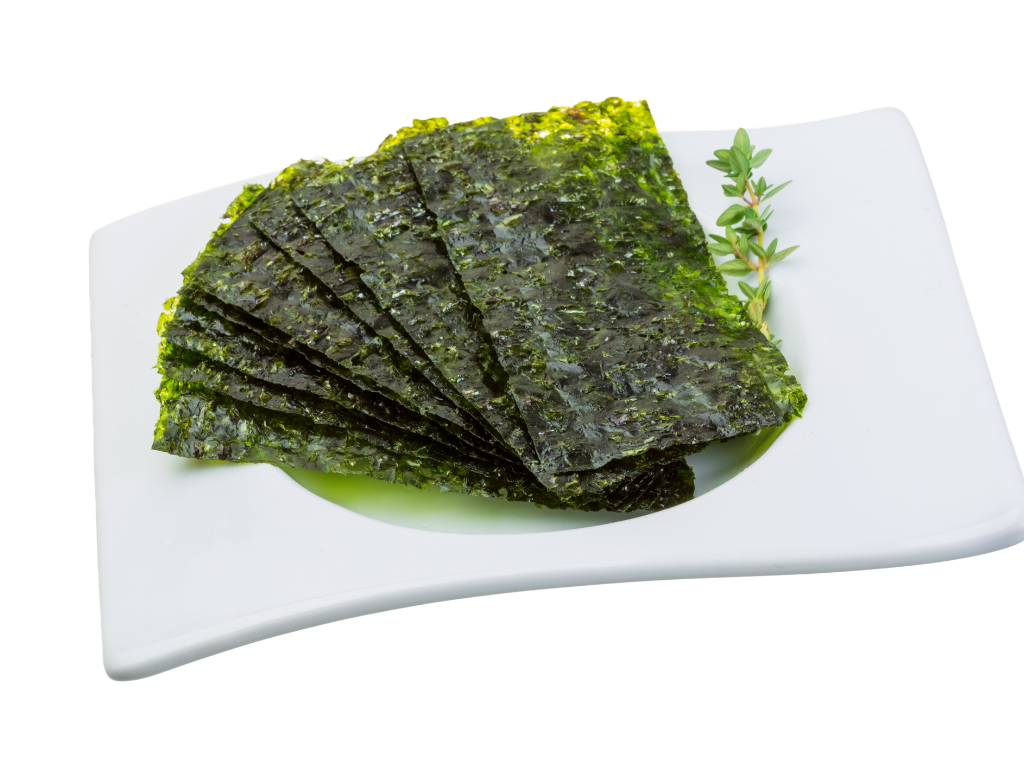
Four types cover nearly every kitchen order. Yaki nori is roasted plain, the default wrapper for sushi and onigiri. Ajitsuke nori is seasoned with soy sauce, mirin, and salt, sold as a snack sheet and a rice topping. Kizami nori is the same roasted sheet cut into fine shreds for donburi, ramen, and salads. Ao nori is the outlier: a green powder from a different algal group, dusted over okonomiyaki and takoyaki rather than pressed into sheets.
The distinction that trips up buyers is yaki versus ajitsuke. Yaki nori carries no added flavour, so a chef controls the seasoning; ajitsuke arrives pre-seasoned and cannot be repurposed for clean sushi work. Treating ao nori as interchangeable with sheet nori is a sourcing error, since it is a separate species and a separate application. For shred work, our shredded kizami nori skips the hand-cutting step entirely. Buyers who want the full break-down of sheet cuts can read our guide to cut formats for sushi and onigiri.
How is nori graded, and what do the grades tell a buyer?
Nori is graded on appearance, not flavour. Japanese auction markets, the shinsa system run mainly out of Ariake and Ise, score each batch on color depth, sheen, thickness, weight, and the number of holes or spots in the sheet. Japan works to roughly nine grades, with jet-black, glossy, hole-free sheets at the top and lighter, greener, spotted sheets further down. The first cutting of the season, harvested from October, carries the highest grade and the highest price.
Origin sits alongside grade as a buying signal. Ariake Bay off Kyushu, spanning Fukuoka, Saga, and Kumamoto prefectures, produces the most prized Japanese nori, a premium designation buyers treat much as they treat Champagne. Here is the stance most consumer guides skip: for restaurant sushi and onigiri, a clean mid-tier sheet with uniform thickness and no holes outperforms a gold-grade auction sheet you paid a premium for, because rolling strength and consistency matter more than a marginal gain in sheen. Reserve the top grades for plated dishes where the nori is visible and uncut. A sheet with holes weakens under a tight roll and signals lower-quality raw material, so integrity is the one attribute worth refusing a batch over.
How does nori get from the sea to a finished sheet?
The path from spore to sheet runs through a farmed life cycle, not a wild harvest. Growers first raise the conchocelis phase inside oyster or scallop shells in tanks, then release microscopic conchospores that are seeded onto nets. Those nets hang in shallow coastal bays where the blades grow through autumn and winter, cut several times per season.
After harvest the seaweed is washed, chopped into a slurry, poured onto frames, and pressed and dried into thin sheets, a process close to traditional papermaking. Sheets destined to be yaki nori then pass through a high-heat roast that fixes the crisp texture and lifts the aroma. Manuel Barange of the FAO notes that “aquaculture continues to be the fastest-growing food production system around the world,” and nori sits inside that curve, with cultivated algae reaching 37.8 million tonnes in 2022. Once dried and roasted, sheets are cut to format and packed under nitrogen to hold moisture out.
How does nori reach a foodservice kitchen in bulk?
Between the packing line and the pass, nori clears three gates: cutting, certification, and cold-dry logistics. Sheets are cut to full, half, 7-cut, 20-cut, or shredded formats matched to the dish, then packed in nitrogen-flushed, moisture-sealed cases for bulk shipping. Yoroshii manufactures its nori cuts through its Malaysian subsidiary Front Option under ISO 22000, HACCP, and GMP food-safety systems, with JAKIM halal certification on seasoned lines for Muslim-market supply.
Certification is a procurement gate, not a marketing badge. A foodservice buyer supplying halal-certified restaurants cannot stock a seasoned sheet without verified halal status, which is why the seasoning line, not the plain sheet, is where certification is checked first. For the detail on that step, see what JAKIM certification covers. Storage is the final gate and the one kitchens lose sheets to most. Moisture, not age, is what ruins nori first; an opened sheet goes limp within minutes in humid air, so nitrogen packs, silica desiccant, and a sealed dry store do more for shelf life than a fresher harvest date. Our guide to storing dried seaweed for shelf life covers the bulk-handling side in full. Yoroshii has supplied nori and roasted seaweed to retail, foodservice, and wholesale buyers across Singapore and export markets since 1993.
Which nori type and grade should a foodservice buyer choose?
Match the cut to the dish, then buy the lowest grade that holds up under that dish. Full and half sheets of mid-tier yaki nori handle maki and temaki; 7-cut and 20-cut strips suit onigiri and snack packs; kizami covers toppings; ajitsuke serves snacking and rice. Gold and silver grades earn their premium only where the sheet stays whole and on show.
The common overspend is buying auction-grade nori for high-volume rolled sushi, where the sheet is cut, filled, and hidden. A uniform mid-grade sheet with clean edges and no holes gives a kitchen consistent rolls at a workable cost per sheet, which is the number that actually moves food cost. Buy on cut format and sheet integrity first, grade tier second.
Conclusion
Grade tells you how a sheet of nori looks; cut format tells you what it can do; certification and storage decide whether it reaches service intact. A foodservice buyer who reads all three signals, rather than the word “premium” on a pack, spends on the sheet the kitchen actually needs.
Working out which nori cut and grade fit your menu and volume? Browse Yoroshii’s nori cut lineup or contact the team for a foodservice quote matched to your dishes and order size.
FAQs About Nori Seaweed
What is the difference between yaki nori and ajitsuke nori?
Yaki nori is roasted plain with no added flavour, the standard wrapper for sushi and onigiri. Ajitsuke nori is seasoned with soy sauce, mirin, and salt, sold as a snack sheet and rice topping. Yaki lets a chef season to order; ajitsuke arrives finished and is not used for clean sushi work.
Is nori the same as Korean gim?
Both start from Pyropia red algae, but processing differs. Japanese yaki nori is roasted dry and unseasoned; Korean gim is brushed with sesame oil, salted, and lightly toasted, giving a thinner, flakier sheet. Nori’s sturdier structure holds sushi rolls better. See our breakdown of how Korean gim differs.
Is nori seaweed halal?
Plain nori is a single-ingredient dried seaweed and inherently halal. The question applies to seasoned ajitsuke sheets, where soy sauce and flavourings must be verified. Yoroshii’s seasoned lines carry JAKIM halal certification, the standard reference point for Muslim-market foodservice supply.
Where is the best nori grown?
Ariake Bay off Kyushu, across Fukuoka, Saga, and Kumamoto prefectures, produces Japan’s most prized nori and commands the top auction prices. Ise Bay in Mie prefecture is the other major graded market. Korea and China also cultivate large volumes of Pyropia for sheet and snack nori.
How should nori be stored to stay crisp?
Keep nori dry and airtight. Moisture is what ruins it first, so nitrogen-flushed packs, silica desiccant, and a sealed store matter more than harvest date. An opened sheet absorbs humidity and goes limp within minutes, which is why bulk foodservice cases stay moisture-sealed until service.
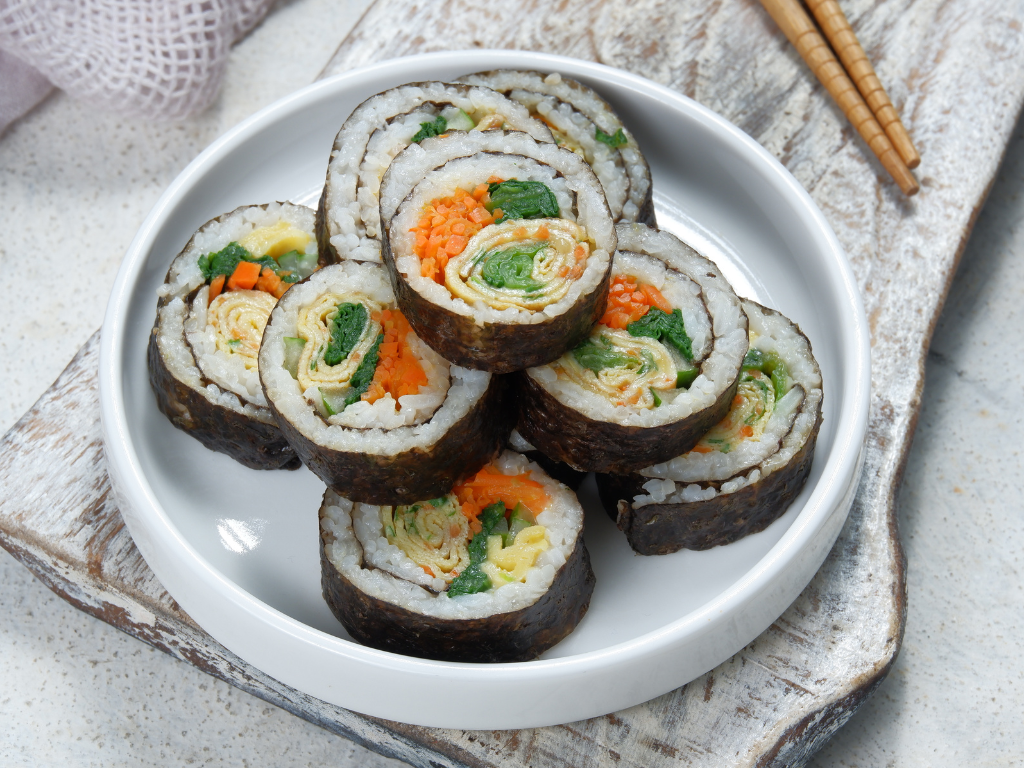
Seaweed for gimbap is gimbap gim, an unseasoned, thicker sheet
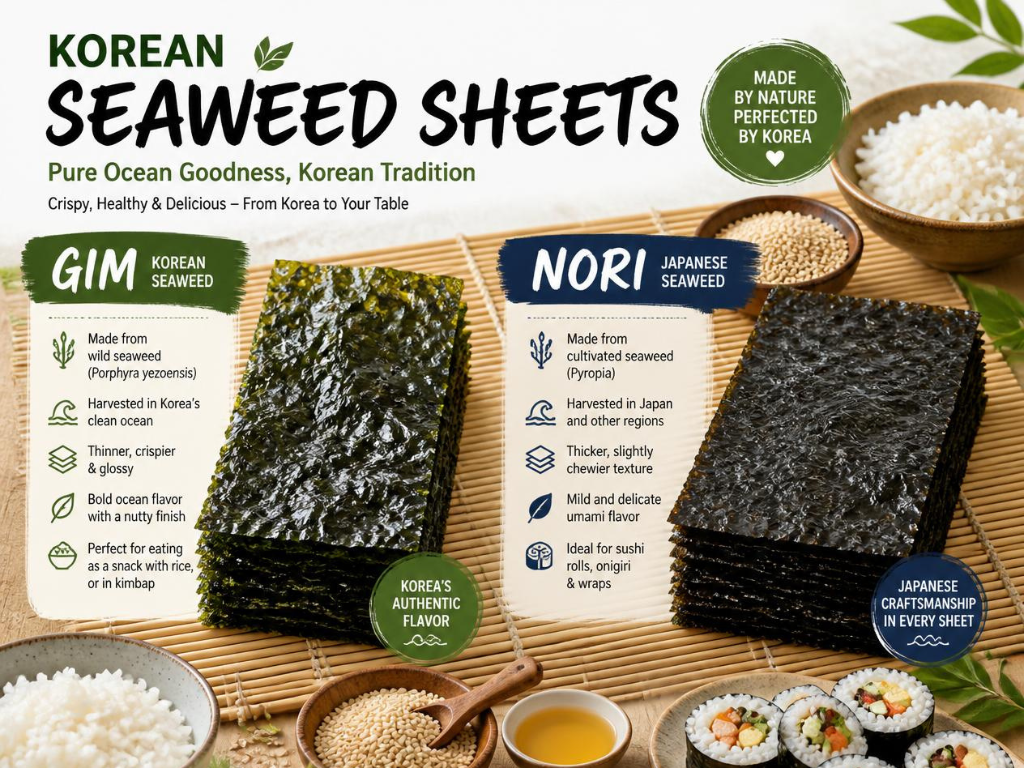
Korean seaweed sheets are gim, dried sheets of red algae