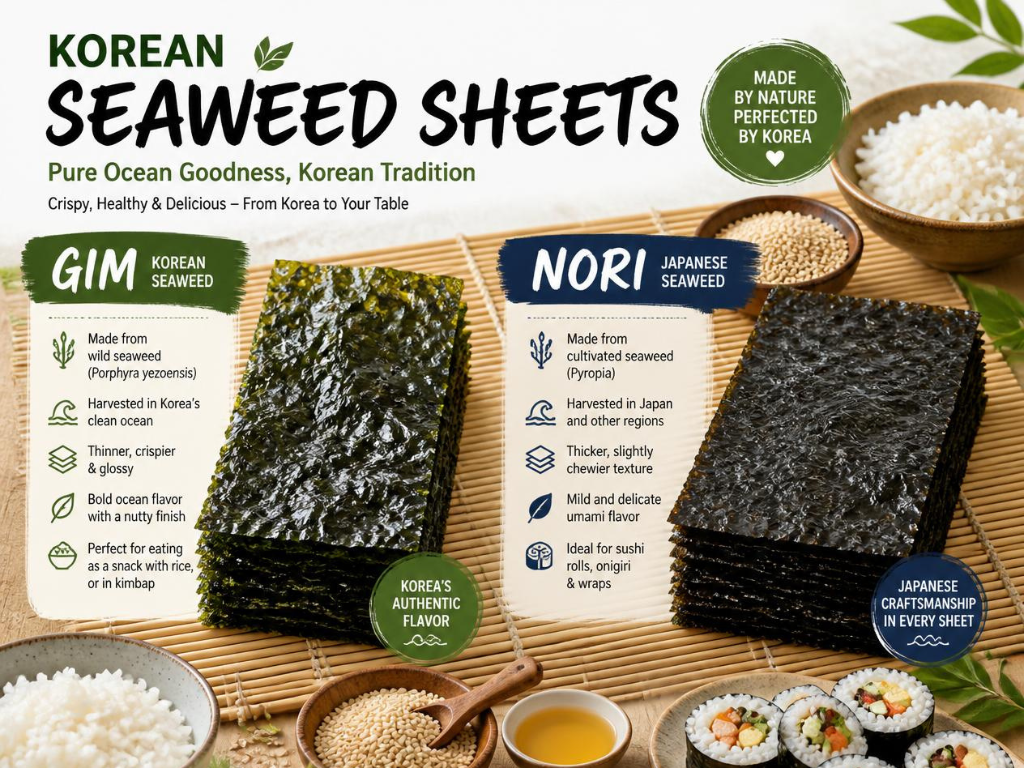
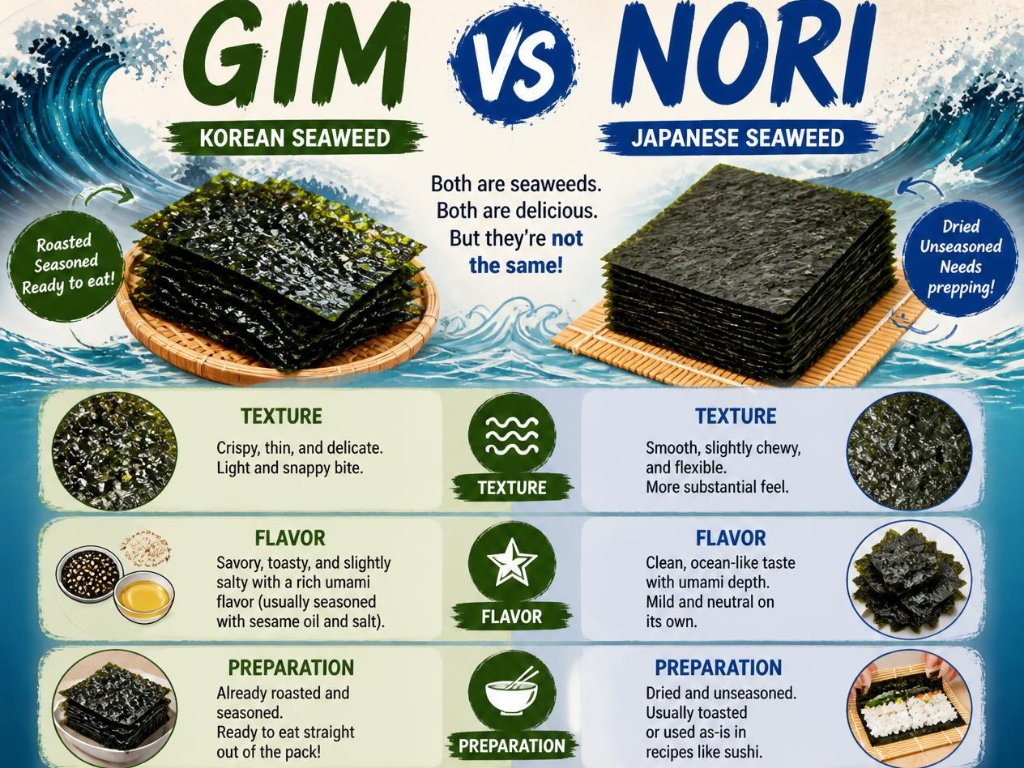
Gim vs nori is one seaweed: dried sheets of the same red algae (genus Pyropia), finished differently by Korea and Japan. Korean gim is roasted with sesame or perilla oil and salt; Japanese nori is roasted plain for sushi. Korea now supplies over 70 percent of the world’s seaweed. This blog walks you through how […]
Author Archives: mpd.seo
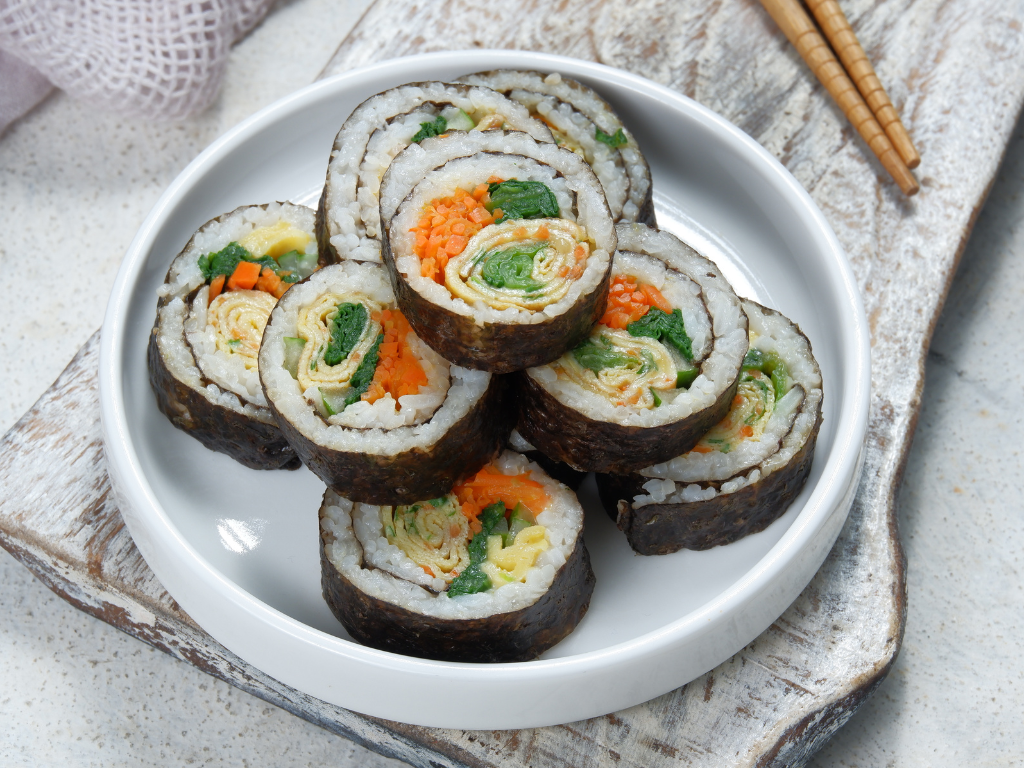
Seaweed for gimbap is gimbap gim, an unseasoned, thicker sheet of roasted laver (genus Pyropia) built to roll a fuller Korean rice roll without tearing. The oiled snack gim is a different sheet. Korea’s frozen gimbap boom pushed processed rice food exports to a record in 2024. This blog walks you through choosing the right […]
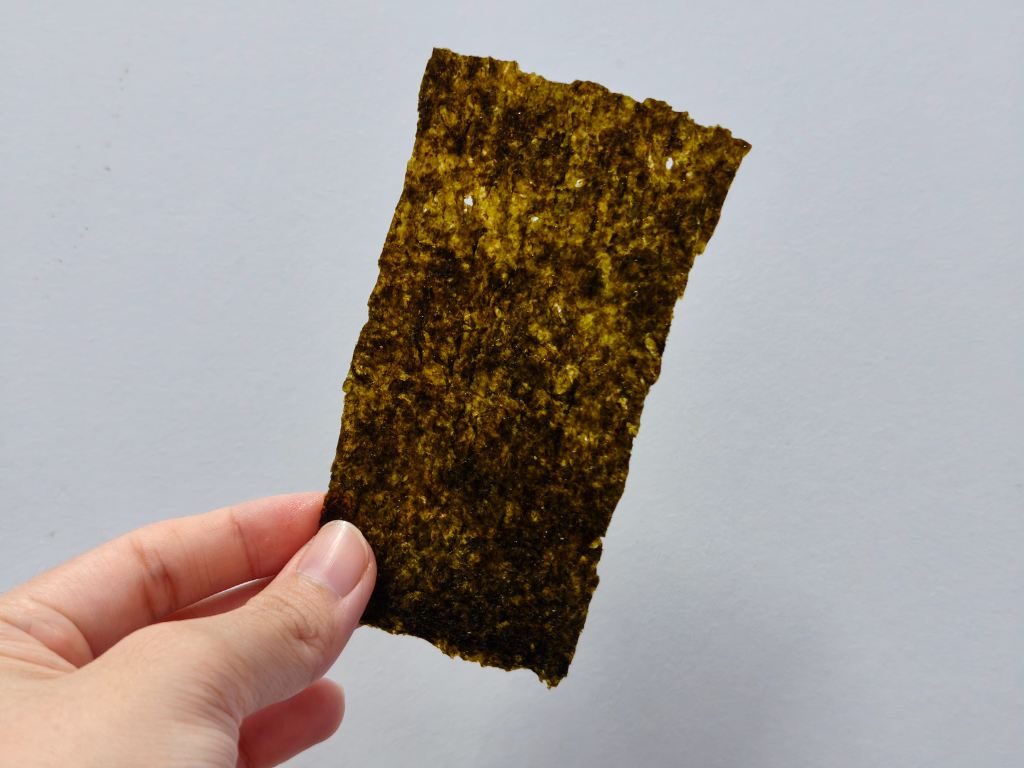
Korean seaweed sheets are gim, dried sheets of red algae (genus Pyropia) that Korea roasts with sesame or perilla oil and salt into a crisp, ready-to-eat sheet. Korea’s gim exports hit a record 1.13 billion US dollars in 2025. This blog walks you through how gim differs from nori and how buyers use it. For […]
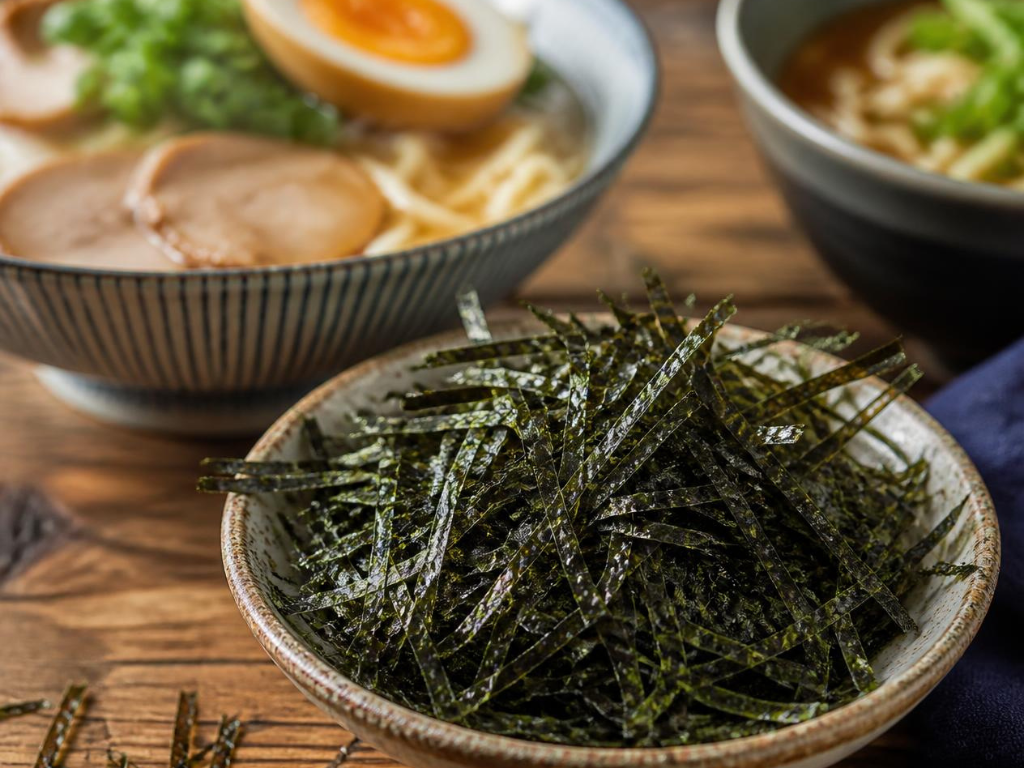
Kizami nori is roasted nori cut into fine strips, 0.5 to 1.5 mm wide, used as a finishing garnish on ramen, rice bowls, and salads rather than as a wrap. It is the same red-algae sheet as sushi nori, shredded for sprinkling. This blog walks you through what kizami nori is and how kitchens use […]
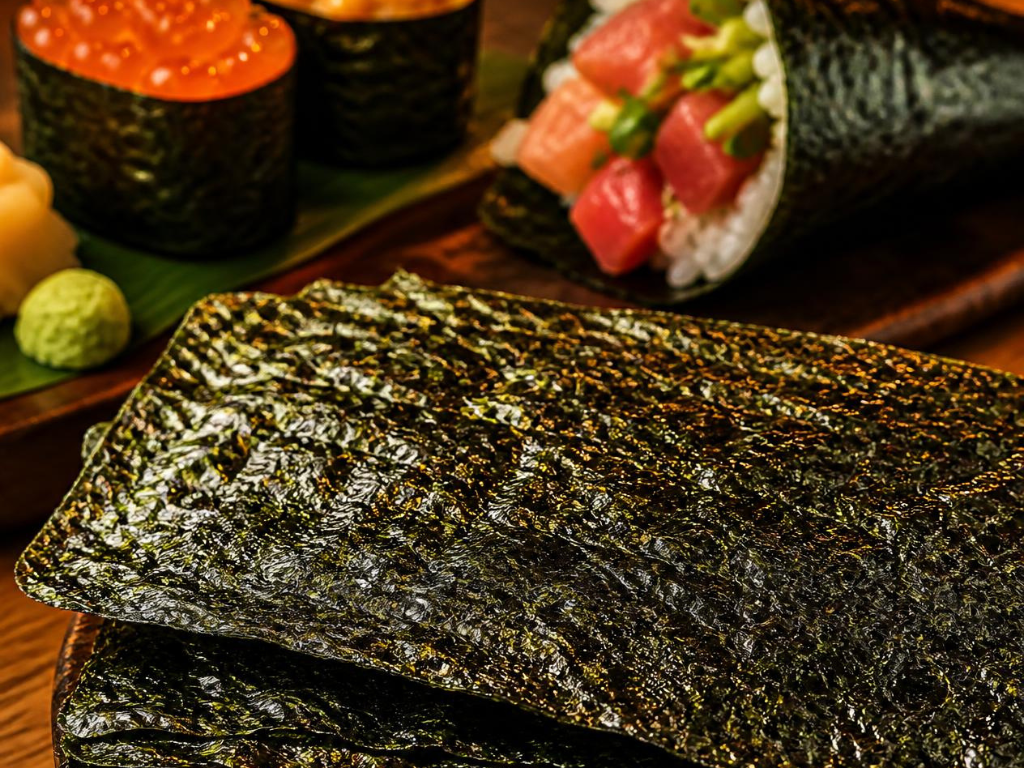
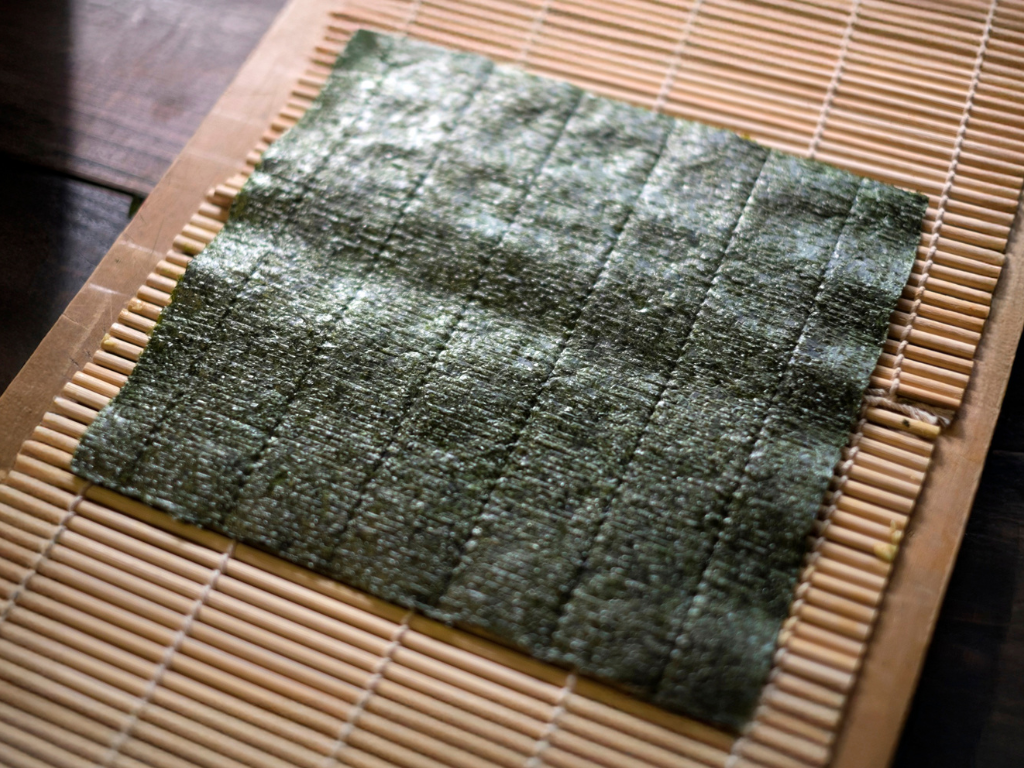
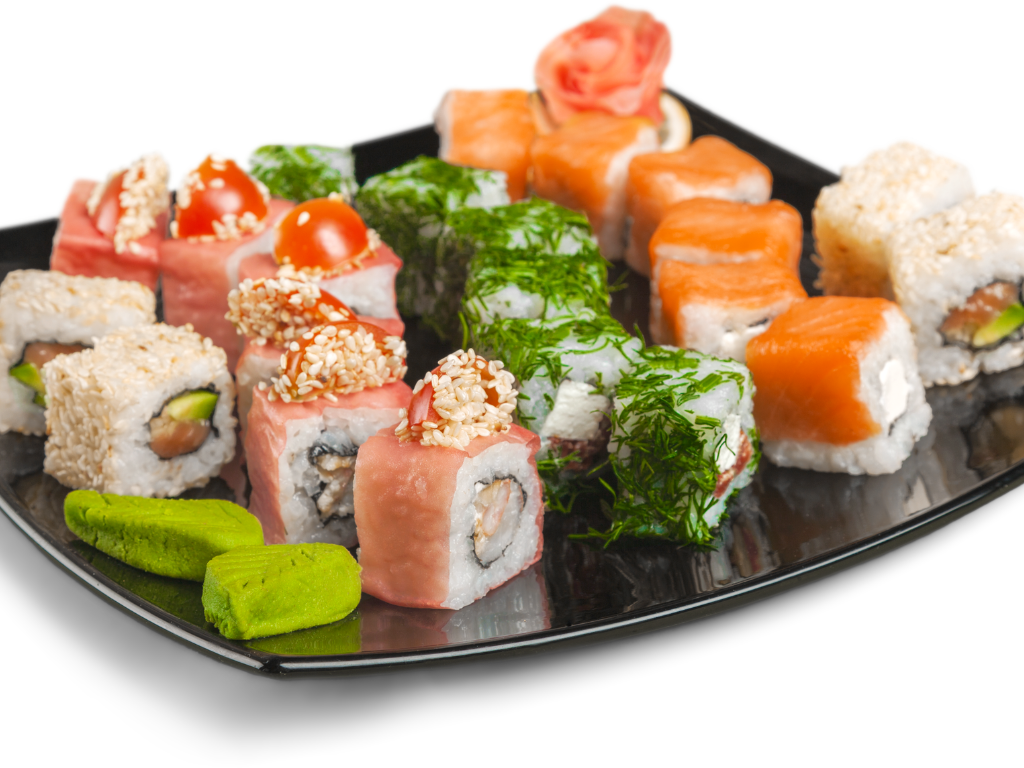
Sushi seaweed is nori, the roasted sheet of red algae (genus Pyropia) that wraps maki, temaki, and gunkan. One sheet, about 21 by 19 cm, gets rolled, coned, or cut into a strip depending on the format. This blog walks you through how sushi seaweed is used across the main roll types and why crispness […]
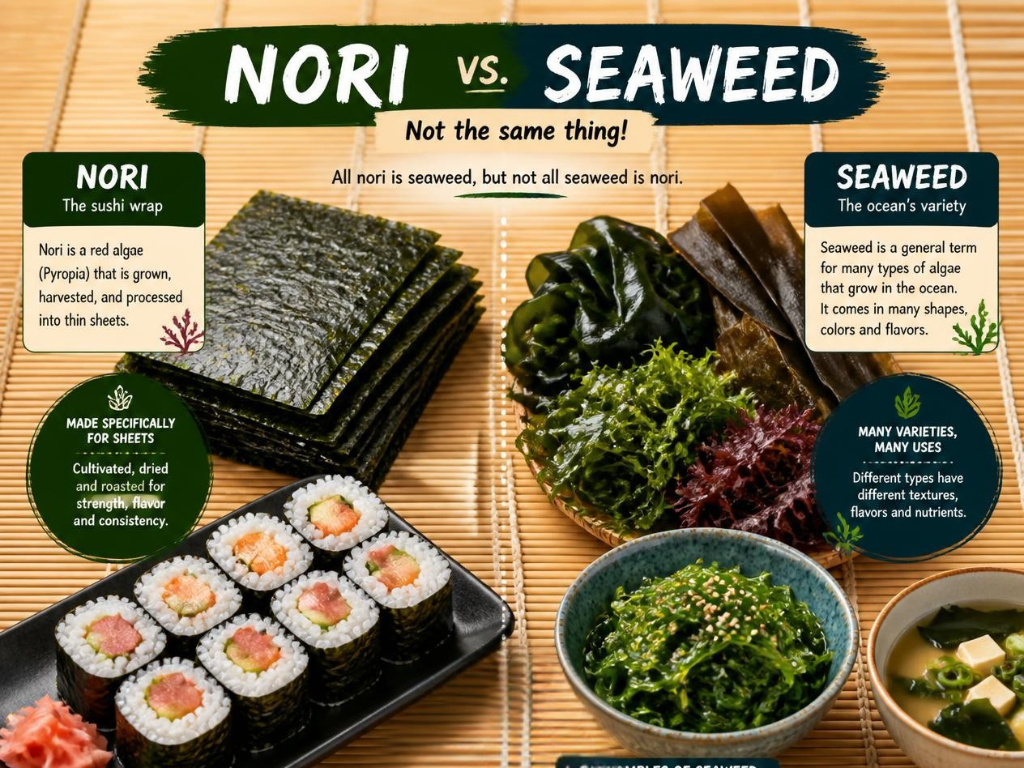
Nori vs seaweed reads like a contest, but nori is a type of seaweed: a roasted sheet of red algae in the genus Pyropia. Seaweed is the umbrella for thousands of marine algae across three colour groups, and nori is one edible red one. This blog walks you through how nori fits the seaweed family […]
Seaweed paper is the everyday English name for nori, the dried, roasted sheet of red algae (genus Pyropia) pressed like paper and wrapped around sushi. The two words point to the same sheet, with one catch: soy paper is not seaweed at all. This blog walks you through what seaweed paper is, when it means […]
Sushi seaweed sheets are the roasted nori a sushi bar wraps around maki and temaki, and grade decides how it rolls, tears, and tastes. Japan sorts nori into roughly nine grades, gold at the top and green at the bottom, scored on color, thickness, and holes. This blog walks you through sushi nori grades and […]
Seaweed sheets are dried, roasted laver (genus Pyropia), sold for sushi and snacking and priced by pack size and grade, not by the sheet. A standard full sheet measures 21 by 19 cm, and packs run from 10-sheet retail to 50-sheet foodservice, where bulk cuts cost per sheet. This blog walks you through seaweed sheet […]
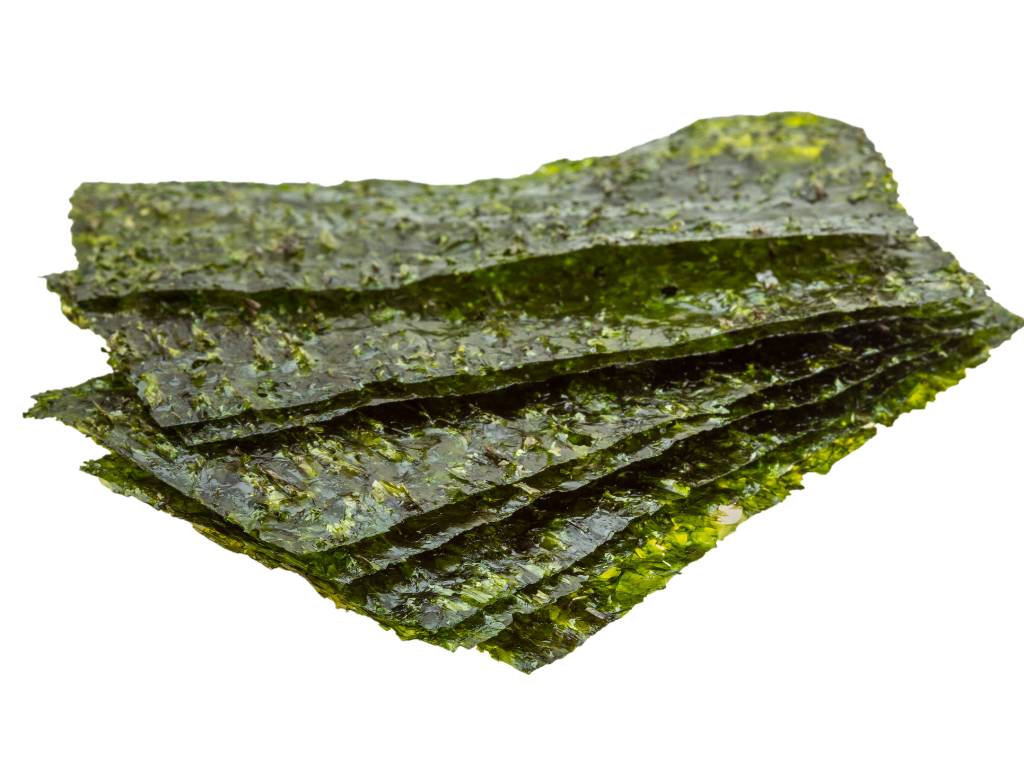
Nori seaweed is the dried, pressed sheet of red algae (genus Pyropia), wrapped around sushi and onigiri, graded by color, sheen, and thickness into tiers that set its price and use. Farmed seaweed output has more than tripled since 2000, past 37 million tonnes by FAO’s count. This blog walks you through nori’s types, grades, […]