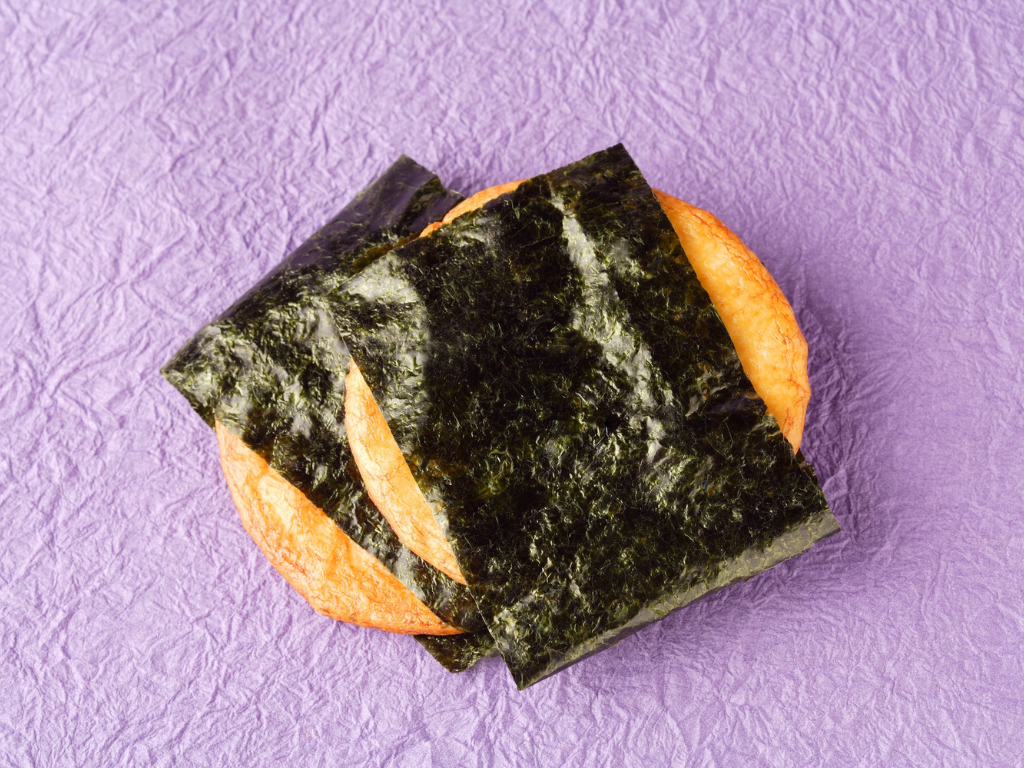
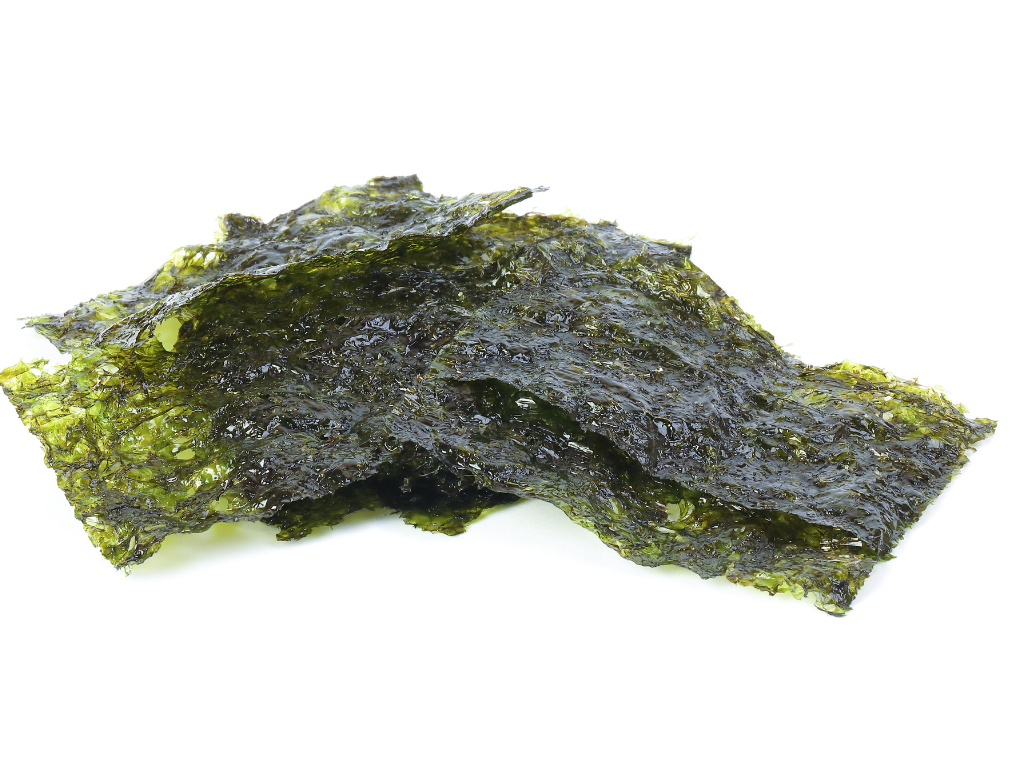
Seasoned seaweed and plain roasted seaweed look almost identical on the shelf, yet they sell to different shoppers and carry different sodium. With the seaweed snacks market at 2.43 billion US dollars in 2024, that difference is worth getting right. This blog walks you through how Yoroshii’s seasoned range differs from plain, across flavour, process, […]
Category Archives: Seaweed Guides
Is seaweed healthy? It’s a fair question for a food that has gone from a sushi wrapper most people ignored to a snack aisle worth 2.43 billion US dollars in 2024. The short answer: yes, mostly, with two things to keep an eye on, iodine and salt. This blog walks you through the nutrition behind […]
Korean seaweed snacks are oiled, salted, and roasted sheets of gim, sold ready to eat in single-serve packs and family formats. For retailers, they are one of the fastest-moving K-food lines on the shelf. This blog will walk you through the flavours, the pack formats, and how to source Korean seaweed snacks at wholesale. What […]
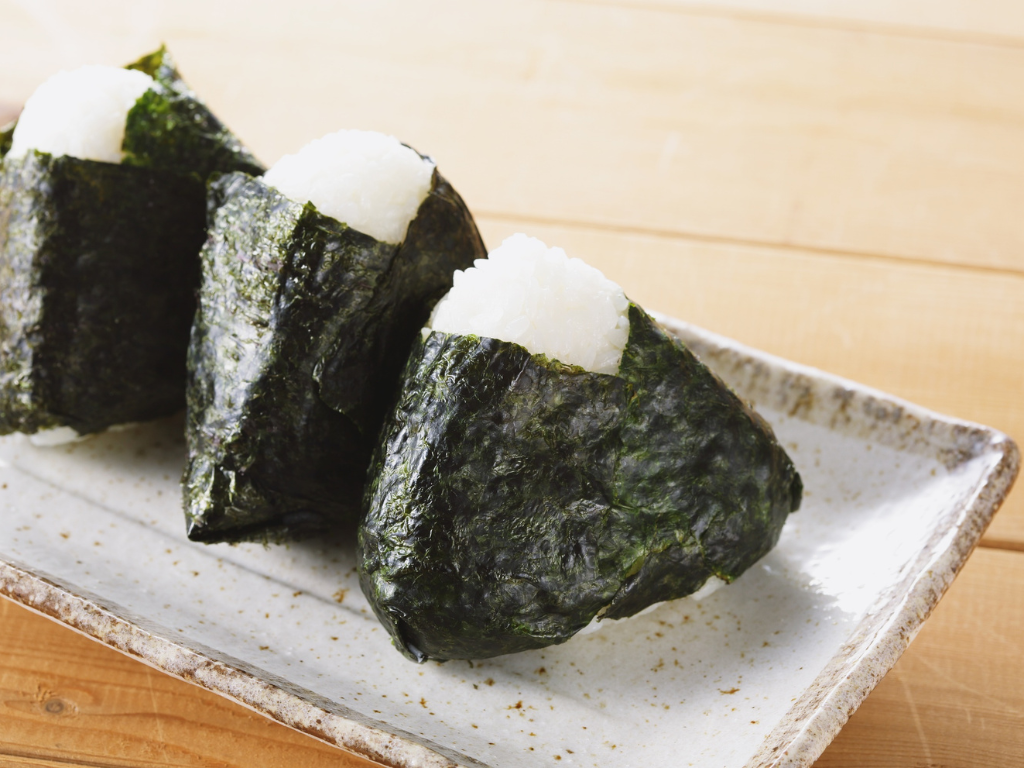
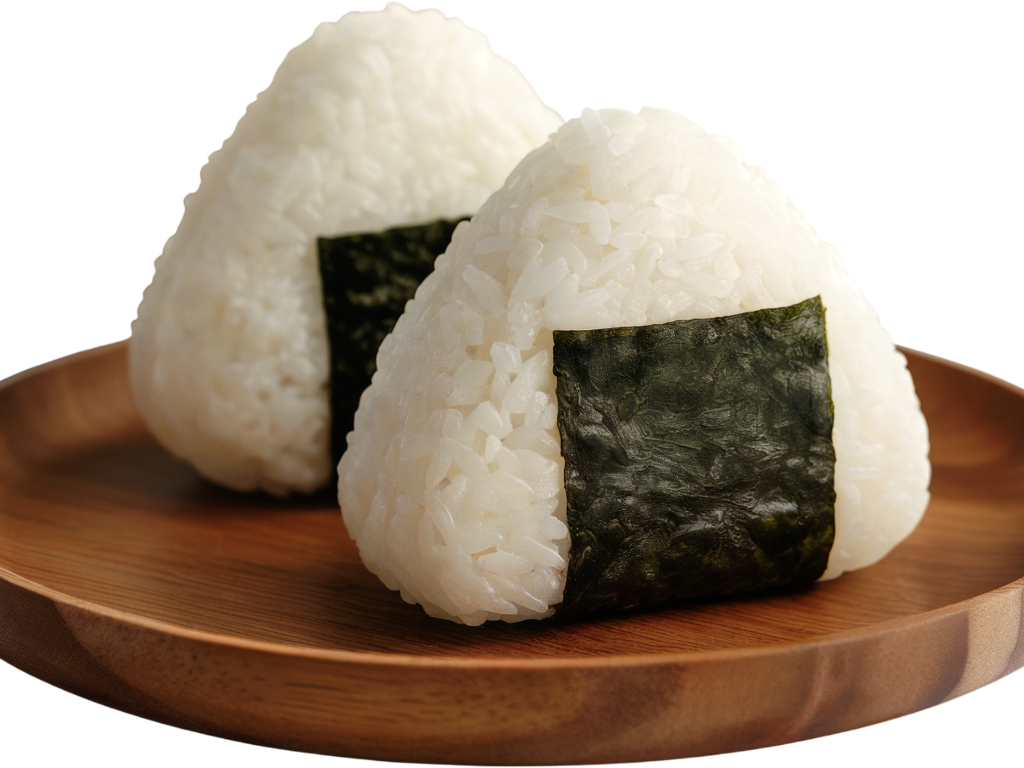
Seaweed for rice means nori in the form that suits the dish, a strip for onigiri, a sheet for temaki, a scatter of shreds for a rice bowl. The wrong format turns soggy or tears. This blog will walk you through choosing nori for onigiri, hand rolls, and rice bowls so the seaweed does its […]
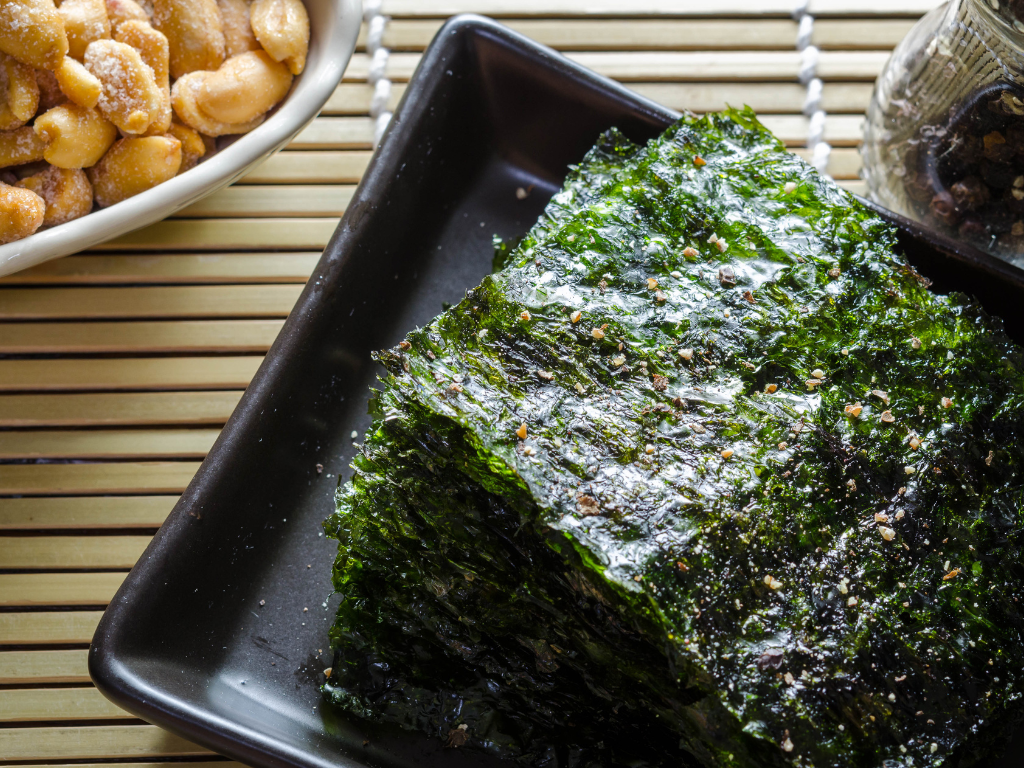
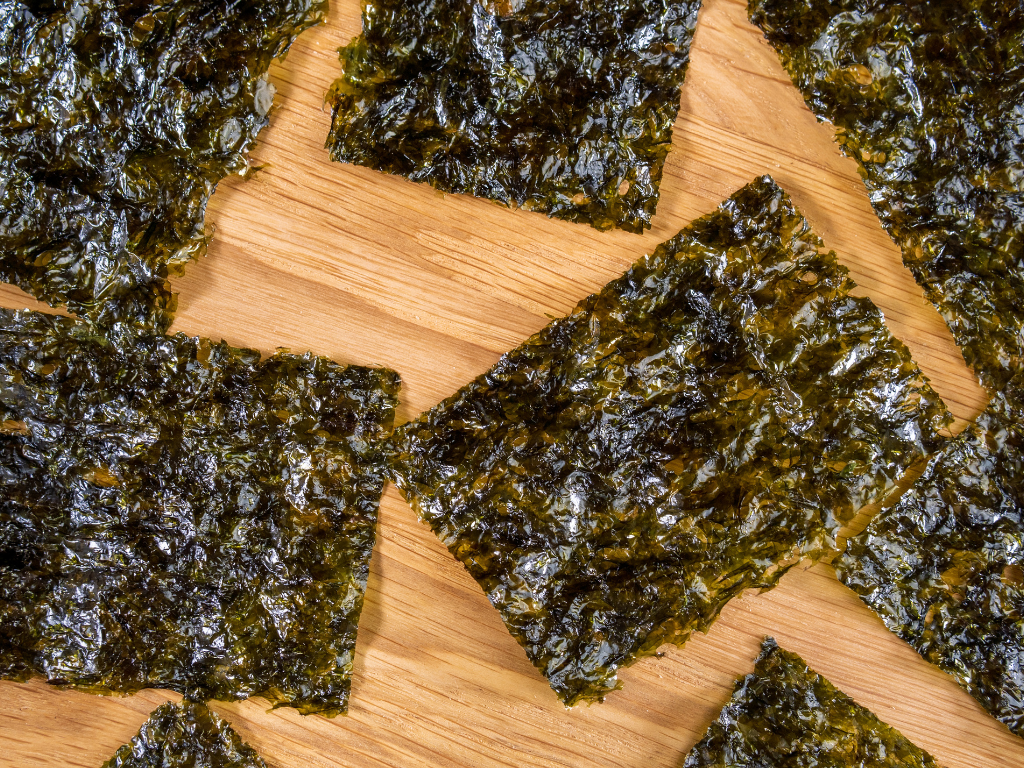
A crispy seaweed snack is a roasted, seasoned sheet of laver that snaps cleanly and carries a savory, salty hit for very few calories. The crispness is engineering, not luck. This blog will walk you through what makes a seaweed snack crisp, why it sells, and what retailers look for when they stock it. What […]
Nori seaweed sheets come in standard cut formats, and choosing the right one decides how clean your sushi looks and how fast your line moves. Full, half, 7 cut, and 20 cut each suit a different dish. This blog will walk you through nori cut formats for sushi, hand rolls, and onigiri, and when to […]
Dried seaweed is a foodservice staple. It stores for months, needs little prep, and adds savory depth fast. For kitchens buying at volume, form and storage matter as much as price. This blog will walk you through the forms of dried seaweed worth stocking, how to store them, and what to know before buying in […]
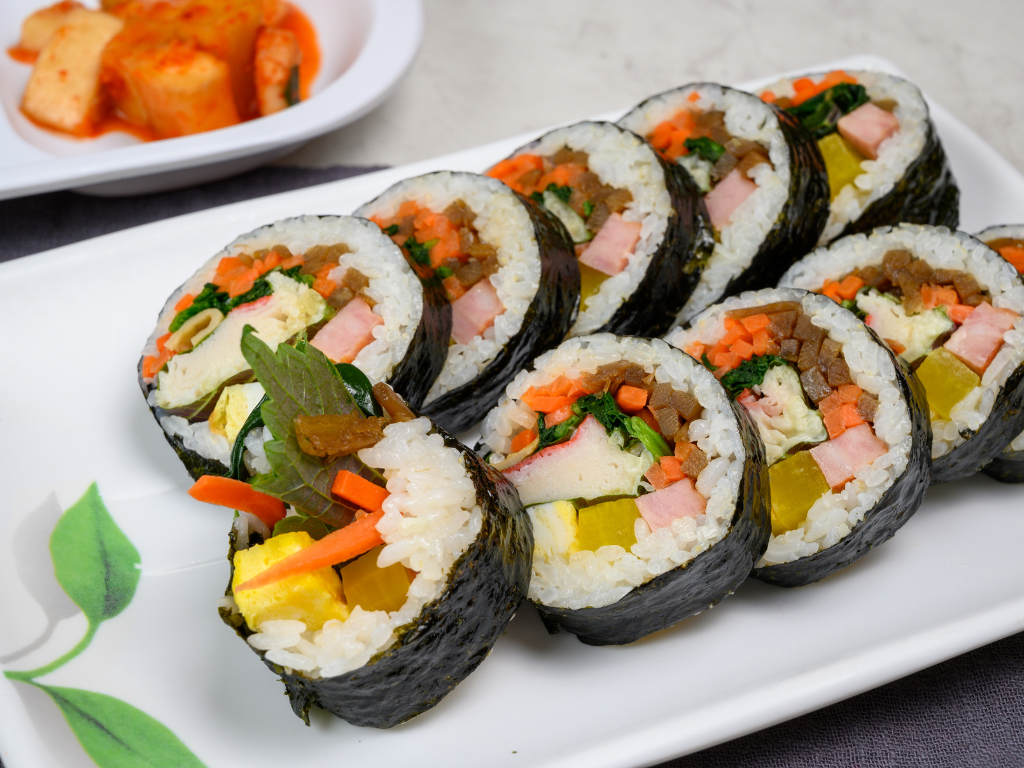
Korean seaweed, known as gim, is the thin roasted laver that wraps gimbap, sits on the table as banchan, and fills the snack aisle as crispy seasoned sheets. This blog will walk you through the main types of Korean seaweed, how each is used in real Korean cooking, and how it is made from sea […]
Halal seaweed is seaweed produced and processed under verified halal controls, which for the strongest assurance means JAKIM certification from Malaysia. Seaweed is naturally halal as a sea plant, but seasoning and processing are where status is won or lost. This blog will walk you through what JAKIM certification means for seaweed and how to […]
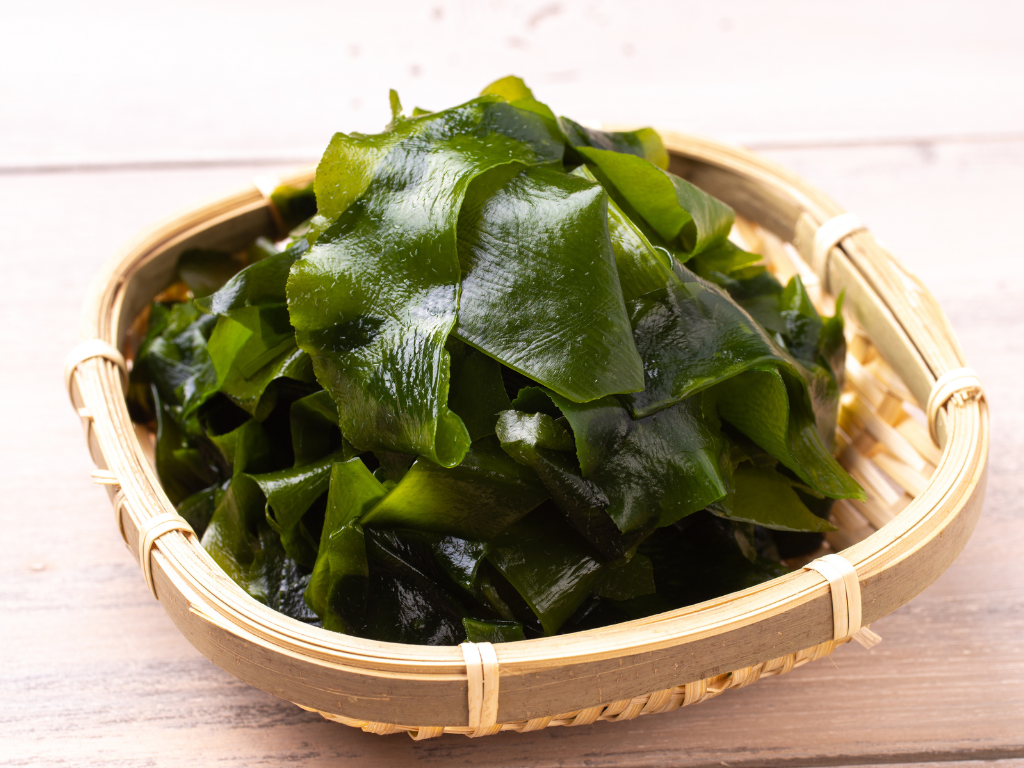
Edible seaweed covers the dried sheets, flakes, and shredded forms used across Japanese and Korean cooking, from sushi nori to seasoned gim. Each type behaves differently in the kitchen. This blog will walk you through the edible seaweed varieties Yoroshii supplies and how chefs, retailers, and manufacturers actually use each one. What edible seaweed actually […]